
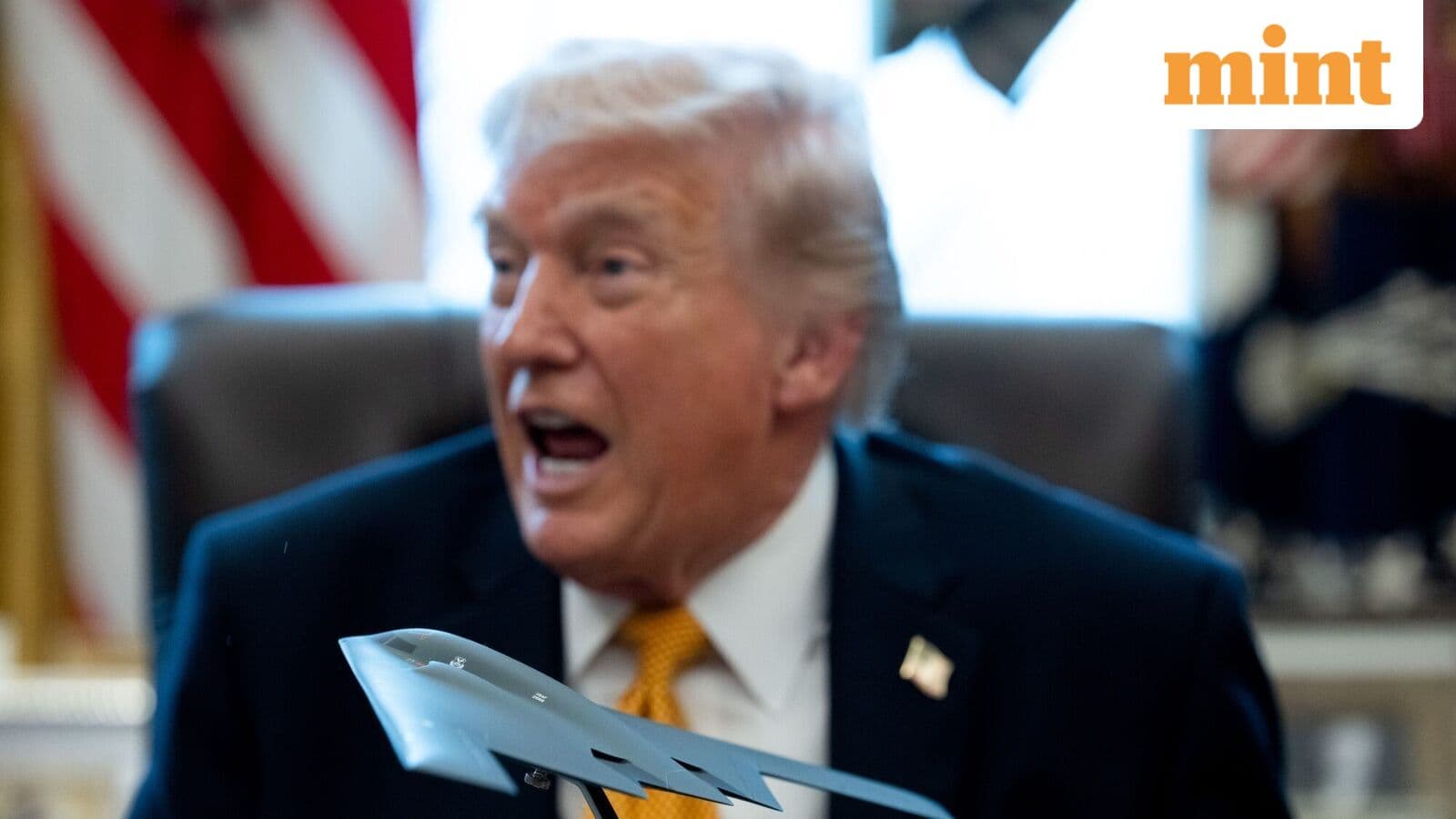
Image: Mint (Business)
Trump asserts US no longer needs NATO help amid West Asia conflict. Will this shift impact international alliances? Read more for insights.
GlipzoIn a surprising declaration on Tuesday, U.S. President Donald Trump asserted that the United States “no longer needs or desires” the support of NATO allies in light of their reluctance to intervene in the escalating conflict in West Asia. His statement emerged as nations such as Japan and Australia opted out of sending military assistance to safeguard vital maritime routes, primarily the Strait of Hormuz.
Trump's remarks were shared via a lengthy post on Truth Social, where he emphasized the military success of the U.S. and stated, “WE NEVER DID!” in reference to NATO's role in global conflicts. He further proclaimed the United States as “by far the Most Powerful Country Anywhere in the World,” implying that U.S. military strength diminishes the necessity for allied support in international disputes.
This assertion comes on the heels of renewed hostilities in the region, particularly with Iran launching retaliatory attacks on shipping vessels in the Strait of Hormuz. This crucial maritime corridor is responsible for transporting approximately 25% of the world’s liquefied natural gas and oil exports, making its security paramount for global energy stability.
In his post, Trump pointed to his administration's efforts to encourage other nations to bolster their involvement in protecting this vital passage. He stated, “We strongly encourage the other nations to get involved with us, and get involved quickly, and with great enthusiasm.” This appeal highlights the complexities of international alliances, particularly in times of geopolitical tension.
The response from NATO allies has been tepid. Both Australia and Japan publicly rejected the idea of deploying naval forces to the Persian Gulf, a decision that reflects their hesitance to engage directly in the conflict. This sentiment was echoed by other U.S. allies, including the United Kingdom and Germany, where officials expressed reluctance to deepen military involvement in a region fraught with instability.
This lack of support from traditional allies serves as a critical undercurrent to Trump’s claims about U.S. independence from NATO, raising questions about the future of these international partnerships.
The Strait of Hormuz has long been a flashpoint in U.S.-Iran relations, particularly following the February 28 joint military actions by the U.S. and Israel against Iranian targets. In response, Iranian Foreign Minister Abbas Araghchi asserted that while the strait remains open to most nations, it is barred to “enemies” of Iran, indicating a clear divide in maritime security policies.
Araghchi's statements underscore the precarious nature of navigation through this vital waterway, with tensions escalating as Iran continues its aggressive posturing. The strait’s ongoing security challenges are compounded by the fact that the U.S. relies heavily on its allies for logistical and military support, even as Trump claims otherwise.
As the situation in West Asia evolves, the dynamics of U.S. foreign policy and its alliances will be put to the test. Trump’s dismissive stance towards NATO could lead to a significant shift in how the U.S. engages with its allies moving forward. Furthermore, as tensions escalate, the potential for military confrontation remains a pressing concern.
With the geopolitical landscape in flux, the international community will be closely monitoring developments, particularly as Trump’s administration calls for greater involvement from nations benefiting from the trade routes through the strait. The upcoming weeks may reveal whether Trump’s bold declarations translate into policy shifts or if a more collaborative approach becomes necessary as tensions rise.
In conclusion, Trump's latest proclamation not only reflects a growing sentiment within his administration but also raises critical questions about the future of NATO, U.S. foreign policy, and the overall stability of the Middle East.

Tensions soar as the US and Iran engage in air strikes near the Strait of Hormuz, raising concerns over global oil supply and regional stability.
BBC World
Trump's international interventions face serious stalemates. What will this mean for U.S. foreign policy? Explore the critical challenges ahead.
Indian Express
Tehran denies resignation of President Masoud Pezeshkian amid claims of IRGC influence. What does this mean for Iran's political stability? Click to learn more!
Indian Express