
Image: BBC Health
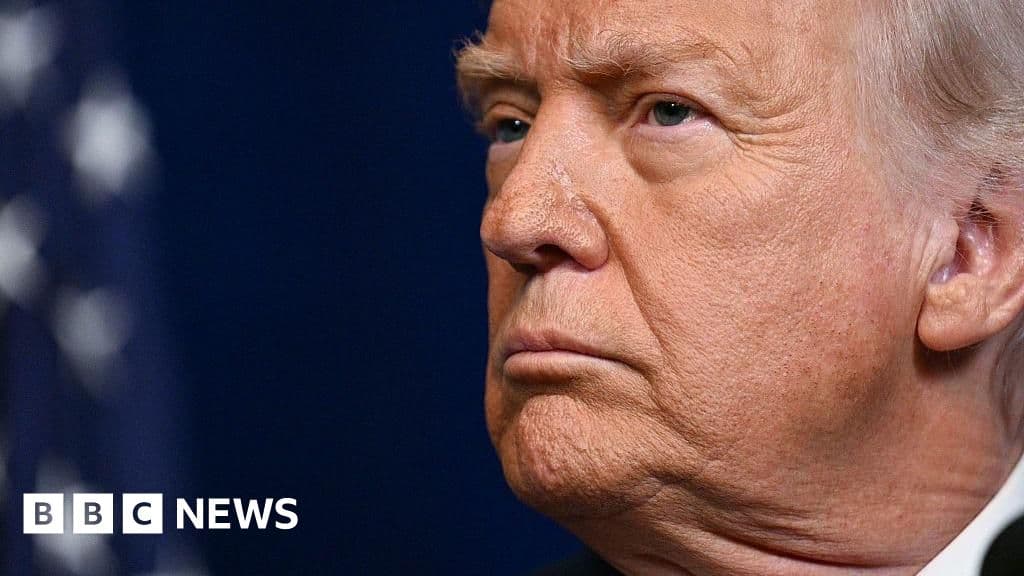
Trump's doctor declares him in 'excellent health' but urges weight loss and exercise. What does this mean for his future in politics?
GlipzoIn a recent medical assessment, Donald Trump, the 45th President of the United States, has been declared to be in "excellent health" by his physician, Capt. Sean Barbabella. The results of Trump’s annual check-up were made public on Friday, following his visit to the Walter Reed National Military Medical Center on Tuesday. As he approaches his 80th birthday next month, this news offers insight into the health status of the nation's oldest president.
Capt. Barbabella's memo highlighted various aspects of Trump’s health, revealing his strong cardiac, pulmonary, neurological, and overall physical functions. The doctor specifically noted that the president is "fully fit to carry out all duties of the Commander-in-Chief and Head of State." These affirmations come amid previous concerns regarding Trump’s health and well-being.
Despite the positive assessment, Barbabella did address some health concerns, particularly regarding Trump's weight and the bruising on his hand. The president currently weighs 238 pounds (108 kg), which marks a 14-pound (6.3 kg) increase since his last examination in April 2025. The memo emphasized that Trump has been advised on a healthier diet, increased physical activity, and ongoing weight management.
Moreover, Trump is reportedly taking medication aimed at controlling his cholesterol levels. His resting heart rate is recorded at 73 beats per minute, and his cardiac age is estimated to be approximately 14 years younger than his actual age. This suggests that despite some weight gain, his cardiovascular health remains relatively robust.
An important aspect of Trump’s health evaluation included the Montreal Cognitive Assessment (MoCA), a widely recognized test for cognitive functioning. The president scored a perfect 30 out of 30, indicating no significant cognitive impairment. This score is particularly noteworthy, as it reflects his mental acuity at a time when many question the health of aging leaders.
Barbabella noted that Trump's demanding daily schedule, which involves numerous high-level meetings and public engagements, likely contributes positively to his overall well-being. However, the memo also referenced some lingering health issues, including slight lower leg swelling, which has improved over the past year.
Last year, speculation about Trump's health intensified following reports of bruising on his hands and swollen legs. Subsequently, it was disclosed that he had been diagnosed with chronic venous insufficiency, a condition that impairs blood circulation in the legs. It results in blood pooling in the lower limbs, leading to swelling and discomfort.
Barbabella reassured the public that the bruising on Trump's hands was attributed to minor soft tissue irritation from frequent handshaking and was a benign effect of his aspirin therapy. Trump has publicly mentioned his long-standing use of aspirin for cardiovascular prevention, stating he takes a higher dose than typically recommended, believing it helps maintain his health.
Interestingly, Trump's approach to fitness has also been a topic of discussion. He has openly expressed a preference against traditional forms of exercise, labeling them as "boring." Instead, he enjoys playing golf, which he considers a more engaging physical activity. Trump's reluctance to engage in structured exercise, such as using a treadmill, raises questions about the potential long-term effects on his health.
Annual medical check-ups have become a standard practice for U.S. presidents, particularly as public interest in their health has surged over the years. The scrutiny of a president's health is not new; Joe Biden, who took office at 78, faced similar scrutiny regarding his age and health status. As leaders age, their physical and mental fitness becomes a focal point in public discourse, influencing perceptions of their capability to lead.
Trump's health status matters not just for his personal well-being but also for the political landscape. As he remains a significant figure in the Republican Party, understanding his health can provide insights into his potential candidacy for future elections. Additionally, how he manages his health could shape public opinion and voter confidence.
As discussions around Trump's health continue, it will be essential to monitor his adherence to the dietary and exercise recommendations provided by his medical team. His ongoing health evaluations will likely remain in the public eye, especially as the political climate evolves. Voter perceptions of Trump's health could play a crucial role in shaping his political future and his potential return to the presidency.
In summary, while Trump's recent medical examination presents a picture of overall good health, the recommendations for lifestyle changes highlight the importance of maintaining health as he ages. As he embarks on this journey, the political implications of his health and fitness will undoubtedly be closely watched by both supporters and critics alike.

Tensions soar as the US and Iran engage in air strikes near the Strait of Hormuz, raising concerns over global oil supply and regional stability.
BBC World
Trump's international interventions face serious stalemates. What will this mean for U.S. foreign policy? Explore the critical challenges ahead.
Indian Express
Tehran denies resignation of President Masoud Pezeshkian amid claims of IRGC influence. What does this mean for Iran's political stability? Click to learn more!
Indian Express