
Image: BBC World
Trump expresses dissatisfaction with Iran deal talks, emphasizing the need for progress. What’s next in these high-stakes negotiations?
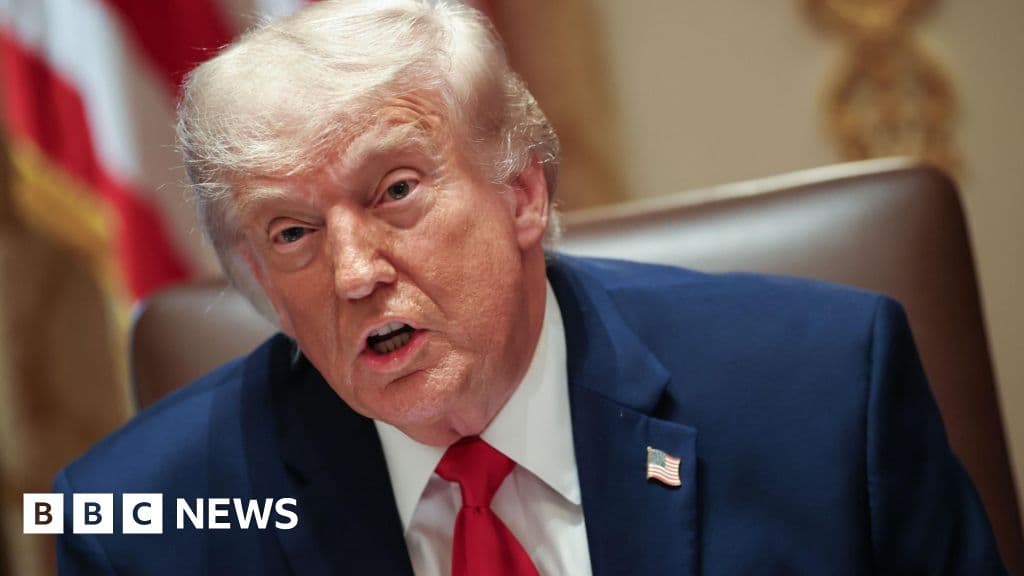
GlipzoIn a recent cabinet meeting, US President Donald Trump expressed his dissatisfaction with the current negotiations regarding a potential deal with Iran. As tensions continue to escalate, Trump emphasized that despite Tehran's eagerness to reach an agreement, significant progress has yet to be made. He stated, "They just want to make a deal - I don't think they have a choice."
Trump's comments came shortly after Iranian state media circulated what they described as a draft agreement. This alleged document purportedly included proposals for the reopening of the Strait of Hormuz and a withdrawal of US military forces from the region. However, the White House quickly dismissed these claims as a "complete fabrication."
The negotiation process has seen a mix of optimism and skepticism from both sides. Just last week, there were indications that the talks were progressing, leading to speculation that a formal announcement regarding the deal could be imminent. However, Iran soon tempered those expectations, asserting that an agreement was not near. Trump reiterated that he had instructed his negotiators to take their time, saying, "So far, they haven't gotten there and we're not satisfied with it, but we will be. Either that or we'll have to just finish the job."
In a statement reflecting Secretary of State Marco Rubio's remarks, Trump noted that there had been some positive developments in the negotiations. Although details regarding specific points of contention were not disclosed, both leaders indicated that there is still a pathway to a possible deal if the right conditions are met.
The Iranian media report mentioned several significant concessions that were part of the purported draft agreement: - Lifting the US naval blockade of Iranian ports. - Restoration of commercial traffic through the Strait of Hormuz to pre-war levels within one month. - Management and routing of vessels to be overseen by Iran and Oman.
However, the report notably lacked any mention of Iran giving up its nuclear aspirations or transferring its stockpile of highly enriched uranium, which is a pivotal issue in the ongoing negotiations. When questioned about accepting such terms, Trump was clear: "nobody" would control the Strait of Hormuz, emphasizing that it would open "immediately."
The backdrop of these diplomatic efforts is fraught with military tension. On February 28, the US and Israel initiated extensive strikes against Iran, igniting conflict across the Middle East. Iran retaliated by targeting Israel and US-aligned nations in the Gulf region, effectively closing the Strait of Hormuz, a critical shipping channel that significantly impacted global oil prices.
A ceasefire was eventually established on April 8, which both sides have largely respected. However, recent weeks have seen a stall in negotiations, and the situation has become increasingly volatile. Just this past Tuesday, the US launched what it termed “self-defense strikes” against Iranian sites in southern Iran. These actions drew sharp criticism from Tehran, which labeled them a "gross violation" of the ceasefire agreement.
As the negotiations continue, several key factors will shape the future of US-Iran relations: - Military Engagements: The US must navigate its military presence and actions in the region carefully to avoid further escalation. - Negotiation Dynamics: The willingness of both parties to make concessions remains critical. The US insists on addressing nuclear concerns, while Iran seeks relief from sanctions. - Global Reactions: The responses from international allies and adversaries, including Russia and China, will play a significant role in the ongoing discussions.
As both sides grapple with these complex issues, the world watches closely. The outcome of these negotiations could have profound implications not just for US-Iran relations, but for the broader geopolitical landscape in the Middle East. The coming days will be crucial in determining whether a deal can be reached, or if tensions will continue to escalate into conflict.
In summary, the future of the negotiations remains uncertain, but the stakes are undeniably high. Will Trump and his administration find common ground with Iran, or will the situation spiral further into chaos? Keep an eye on upcoming developments as they unfold.

Tensions soar as the US and Iran engage in air strikes near the Strait of Hormuz, raising concerns over global oil supply and regional stability.
BBC World
Trump's international interventions face serious stalemates. What will this mean for U.S. foreign policy? Explore the critical challenges ahead.
Indian Express
Tehran denies resignation of President Masoud Pezeshkian amid claims of IRGC influence. What does this mean for Iran's political stability? Click to learn more!
Indian Express