
Image: Mint (Business)
Trump defends a $200B Pentagon funding request, calling it essential for national security amid rising tensions, but Congress faces a divided opinion.
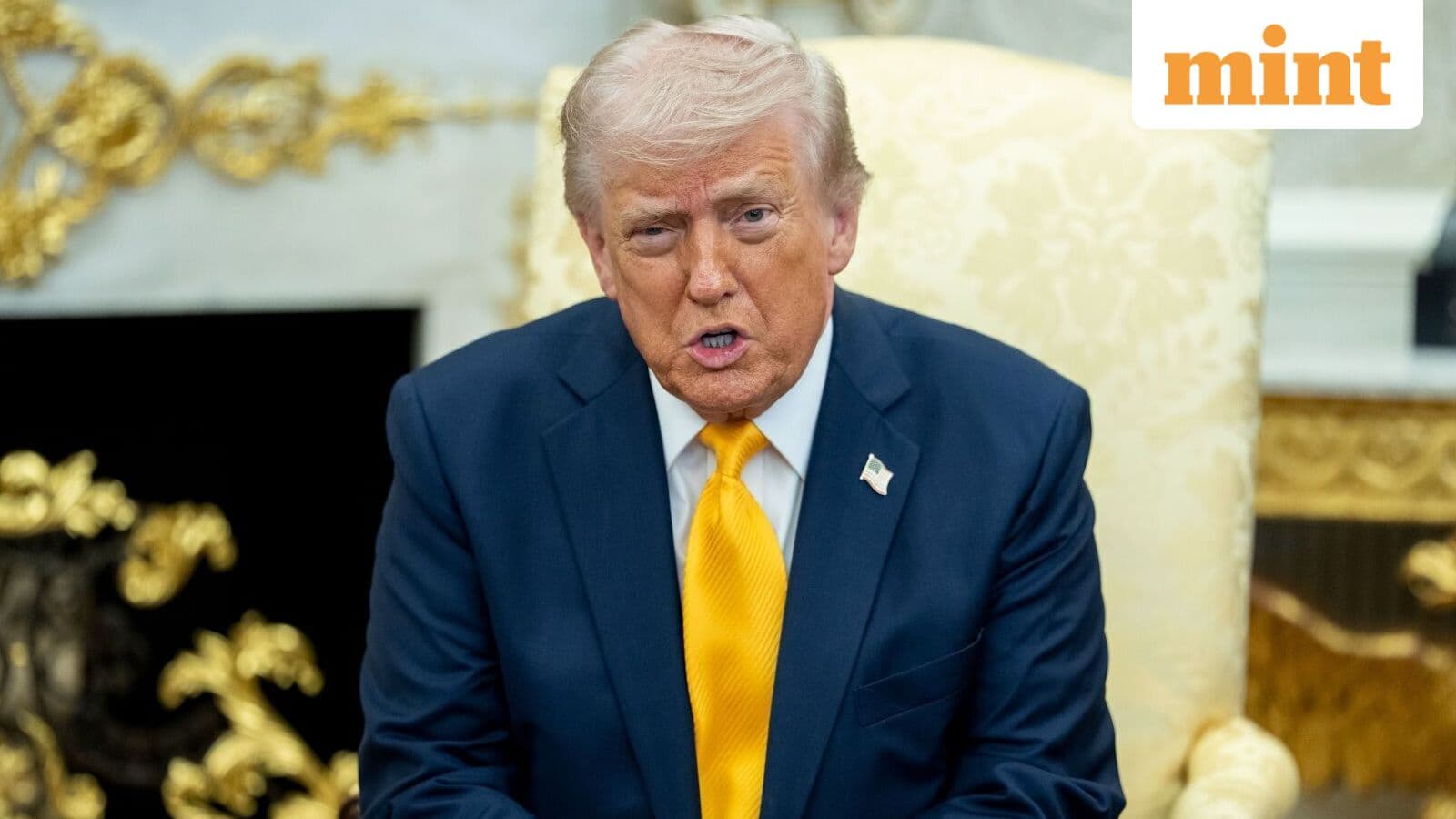
GlipzoIn a bold defense of national security, President Donald Trump has publicly supported the Pentagon's request for an additional $200 billion to bolster military operations, particularly amid rising tensions in Iran. Speaking from the Oval Office, Trump emphasized the urgency of this funding, stating, "This is a very volatile world. The emergency spending would be a very small price to pay to ensure the nation’s military stays in top shape."
Trump's remarks underline a critical aspect of his administration's defense strategy: maintaining military superiority. He indicated that this funding request extends beyond just the conflict in Iran, addressing various defense needs that are essential for the United States' readiness.
According to reports, the Pentagon submitted this funding proposal to the White House, with insights from a senior administration official who chose to remain anonymous. Defense Secretary Pete Hegseth refrained from confirming the exact amount, suggesting that the figure may be subject to change.
Hegseth asserted, "It takes money to kill bad guys," reinforcing the notion that adequate funding is vital for the U.S. military to effectively carry out its operations. He mentioned the need to collaborate with Congress to secure proper funding for ongoing and future operations.
As Congress has yet to formally receive the funding request, there are visible divisions among lawmakers regarding the proposed budget increase. Rep. Ken Calvert, a Republican and chair of the House subcommittee responsible for defense spending, acknowledged the necessity for supplemental funding, particularly to replenish munitions.
In stark contrast, Rep. Betty McCollum, the leading Democrat on the subcommittee, voiced her concerns. She stated, "This is not going to be a rubber stamp for the president of the United States. I’m not writing blank checks to the Department of Defense." McCollum also pointed out that Congress is still waiting for comprehensive details regarding previous Pentagon allocations, raising questions about accountability.
The proposed funding represents a substantial increase to the Pentagon's already hefty annual budget, which stands at over $800 billion. When combined with last year’s allocation of $150 billion through Trump’s tax and spending bill, this new request adds significant pressure to a federal budget projected to face a $1.9 trillion deficit, according to the Congressional Budget Office.
House Speaker Mike Johnson characterized the current geopolitical climate as a “dangerous time,” highlighting the urgent need for sufficient defense funding. Meanwhile, House Majority Leader Steve Scalise indicated that negotiations with the White House regarding the exact amount would take place but noted that the process is still in its early stages.
While some lawmakers view the funding as critical for replenishing military supplies and enhancing defense capabilities, others have expressed concerns about the exorbitant $200 billion price tag. Rep. Rosa DeLauro criticized the amount as “outrageous,” arguing that domestic issues must also be prioritized alongside military expenses.
As Congress prepares for what is expected to be a contentious debate over the proposed funding, both Republican leaders and Democrats will need to navigate their differences. The upcoming weeks are crucial as they determine whether the funding package will go through alone or seek bipartisan support, which may ultimately result in an increase in the overall cost.
The political landscape surrounding military funding in the U.S. is evolving. With the heightened focus on national security issues, especially in light of international conflicts, how Congress responds to the Pentagon's request will be pivotal in shaping future defense strategies and budget allocations.
This funding debate is not just about numbers; it reflects broader national priorities and the balance between defense spending and domestic needs. Understanding the outcomes of these negotiations will provide insight into both U.S. military readiness and the government’s commitment to addressing pressing domestic issues. As the situation unfolds, stakeholders from various sectors will be closely monitoring developments in Congress, particularly as they align with the nation’s strategic interests abroad and at home.

Tensions soar as the US and Iran engage in air strikes near the Strait of Hormuz, raising concerns over global oil supply and regional stability.
BBC World
Trump's international interventions face serious stalemates. What will this mean for U.S. foreign policy? Explore the critical challenges ahead.
Indian Express
Tehran denies resignation of President Masoud Pezeshkian amid claims of IRGC influence. What does this mean for Iran's political stability? Click to learn more!
Indian Express