

Image: The Hindu
The Trump administration defends its blacklisting of Anthropic, raising crucial questions about AI regulation and national security as a legal battle unfolds.
GlipzoOn March 3, 2026, the Pentagon made headlines by designating Anthropic, the technology firm behind the widely-used AI assistant Claude, as a national security supply chain risk. This designation has led to a significant legal battle, as Anthropic challenges this decision in a federal court in California. The implications of this case are profound, potentially affecting the future of artificial intelligence technology and its applications across various sectors.
The Pentagon's action is rooted in Anthropic’s refusal to lift certain restrictions on its technology, specifically those preventing its use in autonomous weapons or for domestic surveillance purposes. The U.S. Defense Secretary Pete Hegseth supports this classification, stating that the company’s stance could pose a risk to national security. The stakes are high, with the potential for Anthropic's blacklisting to lead to billions of dollars in losses for the company, as well as damage its reputation in the tech industry.
In a recent court filing, the Trump administration defended its stance, asserting that the Pentagon's decision was both lawful and justified. The administration argued against Anthropic's claims that the action infringed upon its First Amendment rights by stating that the dispute arises from contractual negotiations and not from any form of retaliation against free speech.
The administration’s legal team emphasized that Anthropic's refusal to remove restrictions on its products amounted to conduct rather than protected speech. They claimed, "It was only when Anthropic refused to release the restrictions on the use of its products — which refusal is conduct, not protected speech — that the President directed all federal agencies to terminate their business relationships with Anthropic."
In response to the Pentagon's designation, Anthropic has filed a lawsuit challenging the decision. The company argues that the government's actions are not only unprecedented but also violate its rights to free speech and due process. Anthropic maintains that its commitment to harnessing AI for national security remains steadfast, and they view pursuing legal action as a necessary step to protect their business interests and partnerships.
A representative for Anthropic stated, "Seeking judicial review does not change our longstanding commitment to harnessing AI to protect our national security, but this is a necessary step to protect our business, our customers, and our partners."
The repercussions of this legal battle extend beyond just Anthropic. The ongoing conflict highlights a critical intersection of technology and national security, raising questions about the role of AI in military applications. As the Pentagon's blacklisting could potentially affect other tech firms, the broader implications for innovation and collaboration in the AI sector are significant.
Legal experts suggest that Anthropic may have a solid case against the government's actions, with arguments that the Pentagon overstepped its bounds. The situation reflects a growing tension between government oversight and the tech industry's push for innovation and ethical standards.
As AI technology continues to advance rapidly, the debate surrounding its regulation intensifies. The Pentagon's designation of Anthropic as a supply chain risk raises crucial questions about how governments should approach the integration of AI into defense strategies while balancing the need for innovation.
Anthropic has positioned itself against the use of AI in autonomous weapons, citing concerns about safety and ethical implications. Their stance reflects a broader industry sentiment advocating for responsible AI development, particularly in contexts that could affect human lives.
As this legal battle unfolds, all eyes will be on the court's decision and how it shapes the future of AI technology in the United States. Key points to watch include: - Court Rulings: The outcomes of both lawsuits—one in California and another in Washington, D.C.—could set significant precedents for how the government interacts with tech companies. - Industry Reactions: Other companies may react to the Pentagon's blacklisting and Anthropic’s legal challenges, potentially altering their own business strategies in relation to government contracts. - Regulatory Frameworks: Developments in this case may influence future regulatory frameworks surrounding AI, particularly regarding national security concerns and ethical guidelines.
The Anthropic blacklisting case not only highlights the complexities of government relations with private technology firms but also raises essential discussions about the future of AI in national security. As this situation develops, its impact on both the tech industry and the broader societal implications of AI use will be critical to monitor.
In summary, the legal battle over Anthropic's blacklisting by the Trump administration is emblematic of the larger discussions surrounding AI, national security, and the balance of power between government oversight and technological innovation. As the court proceedings unfold, stakeholders from multiple sectors will be keenly observing the implications for the future of AI and its role in society.

Nvidia's new RTX Spark chip aims to transform personal computing with AI, marking a significant shift in technology. Discover what this means for consumers.
BBC Business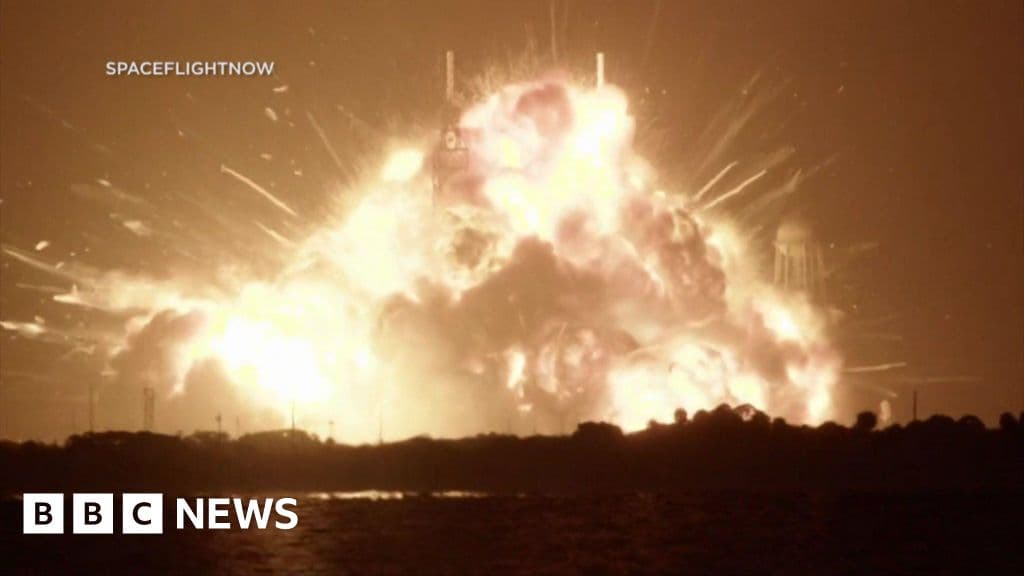
The explosion of Blue Origin's New Glenn rocket raises significant concerns over NASA's lunar ambitions and the future of Amazon's satellite projects. Discover the implications.
BBC Science
Discover how Meta's lack of engagement on user bans raises critical concerns about accountability and transparency in social media governance.
BBC Technology