
Image: The Hindu
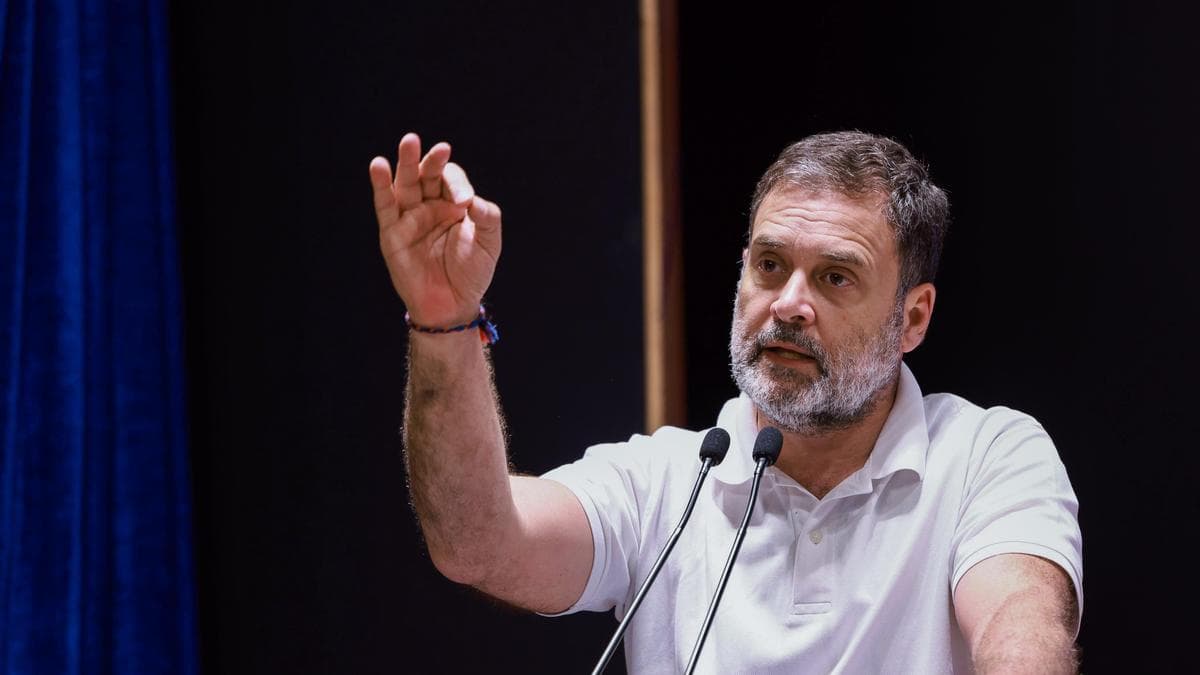
Tribal leaders from the Andaman Islands express concerns to Rahul Gandhi about the Great Nicobar project. Will their voices lead to change?
GlipzoOn March 20, 2026, a significant meeting took place in New Delhi involving a tribal delegation from the Andaman and Nicobar Islands and prominent Congress leader Rahul Gandhi. The focal point of their discussion was the controversial Great Nicobar Infrastructure Project, which has raised red flags among indigenous communities regarding its potential environmental ramifications and social implications.
The delegation, composed of members from the Tribal Council of Nicobar District, voiced their concerns that the ambitious development project could jeopardize the delicate ecosystem of Great Nicobar Island. The indigenous leaders emphasized that while economic development is necessary, it should not come at the expense of ecological integrity or the displacement of tribal populations. They advocated for a development model that prioritizes environmental conservation and the protection of their traditional rights and livelihoods.
During the meeting, Gandhi listened attentively as tribal representatives articulated their fears regarding the project. According to a statement from the Congress party, the delegation articulated that the Great Nicobar project could lead to damaging consequences for both the environment and the indigenous tribes who have lived sustainably on the island for generations.
Dr. Vikrant Bhuria, the national chairman of the All India Adivasi Congress, also participated in this crucial discussion, highlighting the need for a unified front among tribal leaders across India to safeguard their rights. The meeting served as a vital platform for the delegation to express their views, and Gandhi assured them that their concerns would be presented in relevant legislative forums.
The Great Nicobar Infrastructure Project aims to develop various facilities, including a transshipment port, an airport, and other infrastructure aimed at boosting tourism and trade. However, the proposal has garnered substantial criticism from environmentalists and tribal rights activists alike. The project's critics argue that it threatens the island's rich biodiversity, which includes unique flora and fauna found nowhere else in the world.
Key concerns raised by the tribal delegation include: - Ecological Degradation: The potential harm to the island’s fragile ecosystems, which could disrupt local wildlife habitats. - Displacement Risks: Fears that tribal communities may be forcibly relocated to accommodate the infrastructure developments. - Cultural Erosion: The threat to traditional lifestyles and cultural practices that have been preserved by indigenous peoples for centuries.
The tribal leaders stressed that any development initiative should not only consider economic gains but also the long-term sustainability of both the environment and the indigenous communities. They urged for a collaborative approach that involves thorough environmental assessments and the active participation of local tribes in the decision-making process.
"Development can coexist with ecological preservation if approached thoughtfully," one tribal leader asserted during the meeting. "Our way of life is intertwined with the land; we cannot afford to sacrifice one for the other."
After hearing the delegation’s concerns, Rahul Gandhi committed to visiting the Andaman and Nicobar Islands to gain firsthand insight into the situation on the ground. His promise to engage directly with the local populations reflects a growing political recognition of the need for inclusive dialogue regarding development policies affecting tribal communities.
This commitment is particularly significant against the backdrop of ongoing debates about environmental justice and the rights of indigenous peoples in India. Gandhi’s engagement with tribal leaders aligns with the Congress Party’s broader strategy to address these pressing issues, especially as environmental challenges become increasingly central to national discourse.
The Great Nicobar project is emblematic of a larger conflict between development and conservation that is prevalent not only in India but globally. The discussions surrounding this project highlight the importance of considering the voices of indigenous peoples in policy-making processes, particularly when it comes to projects that could irrevocably alter their lands and lives.
As the situation unfolds, it will be crucial to monitor the government's response to the concerns raised by the tribal delegation and the broader implications for environmental policy in India. The outcome of such projects could set a precedent for how development initiatives engage with local communities and prioritize ecological sustainability in the future.
In the coming weeks, stakeholders will be keenly observing how the government addresses these concerns. Key areas to watch include: - Legislative Responses: How the Lok Sabha will incorporate the feedback from tribal leaders into future discussions. - Environmental Assessments: Whether the government conducts comprehensive ecological impact studies before proceeding with the project. - Public Engagement: The extent to which local communities will be involved in the planning and execution phases of the project.
Ultimately, the dialogue initiated by the tribal delegation represents a crucial step towards ensuring that development in the Andaman and Nicobar Islands is both responsible and inclusive, safeguarding the rights and livelihoods of its indigenous inhabitants while also addressing the pressing need for infrastructure development.

Tensions soar as the US and Iran engage in air strikes near the Strait of Hormuz, raising concerns over global oil supply and regional stability.
BBC World
Trump's international interventions face serious stalemates. What will this mean for U.S. foreign policy? Explore the critical challenges ahead.
Indian Express
Tehran denies resignation of President Masoud Pezeshkian amid claims of IRGC influence. What does this mean for Iran's political stability? Click to learn more!
Indian Express