Glipzo
WorldTechnologyBusinessSportsEntertainmentScienceHealthPolitics
Glipzo
WorldTechnologyBusinessSportsEntertainmentScienceHealthPolitics
  1. Home
  2. /
  3. World
  4. /
  5. Trial Begins for Victims of Greece's Deadliest Train Disaster
Trial Begins for Victims of Greece's Deadliest Train Disaster

Image: BBC World

World
Thursday, April 2, 20265 min read

Trial Begins for Victims of Greece's Deadliest Train Disaster

Families seek justice for the 57 victims of Greece's deadliest train crash as the trial begins, revealing a story of negligence and public outrage.

Glipzo News Desk|Source: BBC World
Share
Glipzo

Key Highlights

  • 57 victims mourned as families demand justice in Greek court.
  • Trial includes 36 defendants facing life sentences for negligence.
  • Public protests highlight systemic failures in Greece's railway safety.
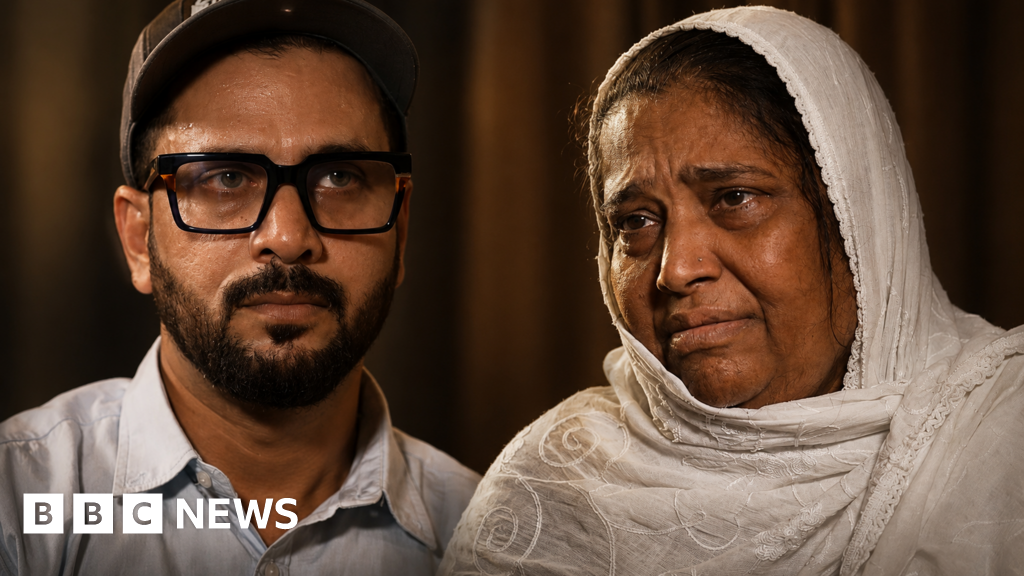
  • Anastasia Plakias's father condemns crash as 'state assassination.'

In this article

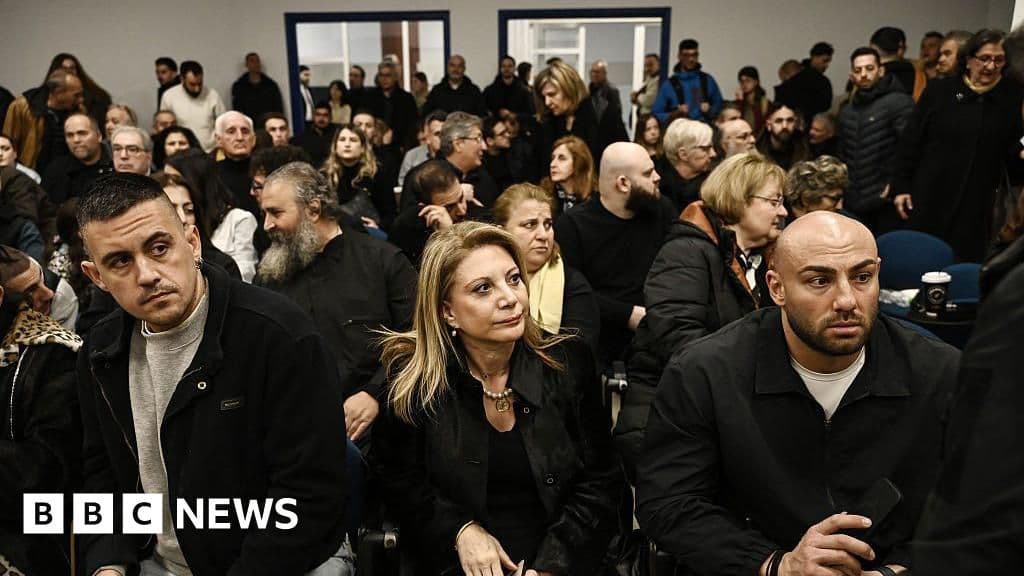
  • Families Seek Justice in Greek Courtroom On a poignant day in **Larisa**, Greece, the courtroom echoed with the voices of families mourning the **57 victims** of the nation’s deadliest train crash. This tragic incident, which took place in **February 2023**, has left an indelible mark on the hearts of those affected, as relatives packed the courtroom demanding accountability and justice for their loved ones.
  • The Tragedy That Shook Greece The train disaster, often referred to in Greece as the **“Tempi crime,”** occurred when an intercity train traveling from **Athens** to **Thessaloniki** collided head-on with a freight train near the small town of **Tempi**. Among the deceased were numerous students, including **Anastasia Plakias**, a **20-year-old** university student who was returning to school after a holiday with her family. Anastasia's father, **Dimitris**, has openly criticized the negligence that led to the crash, describing it as a “state assassination” of innocent lives.
  • Who is on Trial? The trial will see **36 defendants**, including a station master and various railway officials, face charges that could result in life sentences if convicted. The station master is under scrutiny for failing to notice that both trains had been on a collision course for over **10 minutes**. The case will also involve two former Italian employees of the trains’ parent company, **Ferrovie dello Stato**.
  • The Public Outcry Following the **February 2023** disaster, Greece erupted in protests demanding accountability. Demonstrators have voiced their outrage over the failure to utilize EU funding meant to enhance railway safety, which experts say could have prevented this tragedy. The **European Public Prosecutor's Office**, represented by **Laura Kovesi**, emphasized that the collision could have been avoided had the funds been used to modernize the signaling systems.
  • The Courtroom Experience As the trial resumed on **March 23**, the courtroom experienced chaos due to overcrowding. Family members and survivors were forced to sit in the accused's seats, raising concerns about health and safety regulations. **Zoe Konstantopoulou**, a defense lawyer, urged the court to allow filming of the proceedings, highlighting the restricted access for families wishing to witness the trial.
  • What Lies Ahead? As the trial unfolds, the eyes of the nation remain firmly fixed on the proceedings. This case not only seeks justice for the victims of the **Tempi disaster**; it has also ignited a larger conversation about safety, accountability, and transparency within the Greek transport system. The outcome of this trial could have far-reaching implications for railway safety reforms and public trust in governmental institutions.

Families Seek Justice in Greek Courtroom On a poignant day in **Larisa**, Greece, the courtroom echoed with the voices of families mourning the **57 victims** of the nation’s deadliest train crash. This tragic incident, which took place in **February 2023**, has left an indelible mark on the hearts of those affected, as relatives packed the courtroom demanding accountability and justice for their loved ones.

The court proceedings, which had already been delayed, faced challenges once again as only a limited number of family members were allowed entry. Many were left outside, unable to witness the proceedings that many consider a vital step toward justice. This situation has fueled frustration and anger among relatives who feel sidelined in a process that should honor the memory of those lost.

The Tragedy That Shook Greece The train disaster, often referred to in Greece as the **“Tempi crime,”** occurred when an intercity train traveling from **Athens** to **Thessaloniki** collided head-on with a freight train near the small town of **Tempi**. Among the deceased were numerous students, including **Anastasia Plakias**, a **20-year-old** university student who was returning to school after a holiday with her family. Anastasia's father, **Dimitris**, has openly criticized the negligence that led to the crash, describing it as a “state assassination” of innocent lives.

In the aftermath of the crash, public sentiment has sharply turned against the officials responsible for railway safety. Dimitris Plakias expressed his heartbreak, stating, “We relatives call it a state assassination of our children, and all the people who were aboard that train… in which European country could this be possible?”

Who is on Trial? The trial will see **36 defendants**, including a station master and various railway officials, face charges that could result in life sentences if convicted. The station master is under scrutiny for failing to notice that both trains had been on a collision course for over **10 minutes**. The case will also involve two former Italian employees of the trains’ parent company, **Ferrovie dello Stato**.

The trial is set to be extensive, with 350 witnesses expected to testify, and it could last several years. The courtroom battles are not just about criminal accountability; they reflect a broader anger at systemic failures within the Greek railway system. Critics are pointing to a lack of investment in safety measures, despite European Union funding that was allocated for such improvements.

The Public Outcry Following the **February 2023** disaster, Greece erupted in protests demanding accountability. Demonstrators have voiced their outrage over the failure to utilize EU funding meant to enhance railway safety, which experts say could have prevented this tragedy. The **European Public Prosecutor's Office**, represented by **Laura Kovesi**, emphasized that the collision could have been avoided had the funds been used to modernize the signaling systems.

The rapid demolition of the crash site has only amplified suspicions of a cover-up. Many believe crucial evidence was lost in the process, although officials have denied any wrongdoing. The public outcry has led to political consequences, yet Prime Minister Kyriakos Mitsotakis remains in office, having survived two no-confidence votes related to the incident.

The Courtroom Experience As the trial resumed on **March 23**, the courtroom experienced chaos due to overcrowding. Family members and survivors were forced to sit in the accused's seats, raising concerns about health and safety regulations. **Zoe Konstantopoulou**, a defense lawyer, urged the court to allow filming of the proceedings, highlighting the restricted access for families wishing to witness the trial.

The courtroom has been remodeled at a significant cost, which has drawn criticism amid calls for justice to be prioritized over aesthetics. Nevertheless, the Greek government maintains that the facility is among the most modern in Europe, equipped to handle the complexities of this high-profile case.

What Lies Ahead? As the trial unfolds, the eyes of the nation remain firmly fixed on the proceedings. This case not only seeks justice for the victims of the **Tempi disaster**; it has also ignited a larger conversation about safety, accountability, and transparency within the Greek transport system. The outcome of this trial could have far-reaching implications for railway safety reforms and public trust in governmental institutions.

The coming months will witness critical developments as the court hears testimonies from survivors and witnesses. Families of the victims continue to advocate for justice, hoping their voices will resonate in the halls of power and lead to meaningful changes in railway safety standards.

As this case progresses, it is essential to monitor how the judiciary handles these proceedings and whether it will hold those in power accountable for the systemic failures that led to this devastating tragedy. The demands for justice echo not just within the walls of the courtroom but throughout the entire country, reflecting a collective yearning for accountability and reform in the aftermath of such profound loss.
Did you find this article useful? Share it!

Share

Related Articles

Harry and Meghan Visit Australia: Public Reaction Revealed
World
Apr 14, 2026

Harry and Meghan Visit Australia: Public Reaction Revealed

Discover the mixed public reactions to Harry and Meghan's visit to Australia, set against the backdrop of a recent tragedy at Bondi Beach.

BBC World
Breaking: BBC Reports from War-Torn Lebanon Amid Crisis
World
Apr 14, 2026

Breaking: BBC Reports from War-Torn Lebanon Amid Crisis

Discover the chilling realities of the ongoing conflict in Lebanon as the BBC reports from the ground. What does the future hold for this war-torn region?

BBC World
Tragic Stampede Claims Lives at Haitian Tourist Site
World
Apr 13, 2026

Tragic Stampede Claims Lives at Haitian Tourist Site

A tragic stampede at the Laferrière Citadel in Haiti leaves 30 feared dead during a crowded Easter event. What led to this disaster, and what’s next?

BBC World

Categories

  • World
  • Technology
  • Business
  • Sports

More

  • Entertainment
  • Science
  • Health
  • Politics

Explore

  • Web Stories
  • About Us
  • Contact

Legal

  • Privacy Policy
  • Terms of Service

© 2026 Glipzo. All rights reserved.