
Image: BBC World
Two Indonesian peacekeepers tragically killed in Lebanon by roadside explosion. What does this mean for peacekeeping efforts and regional stability?
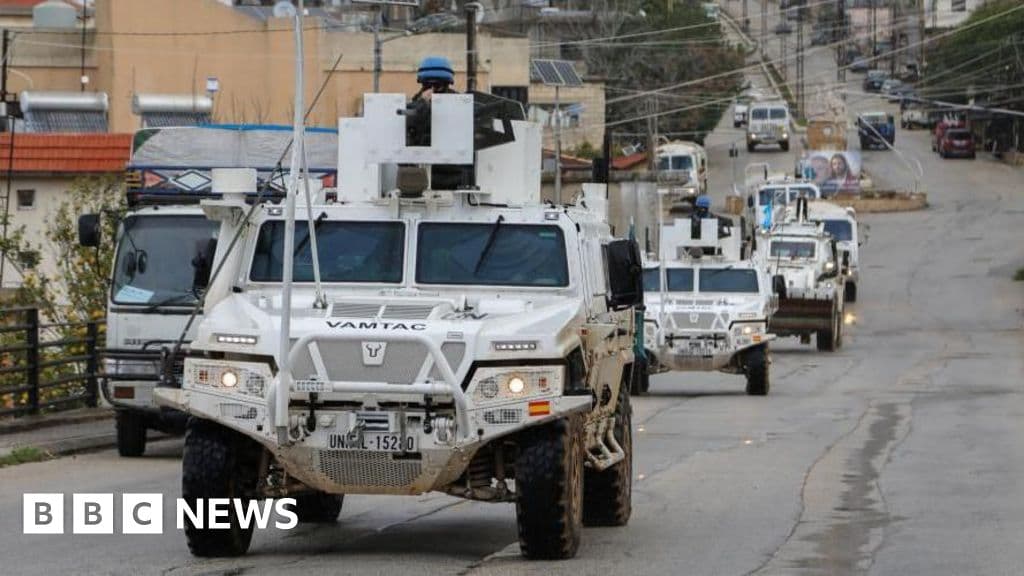
GlipzoIn a devastating incident on Monday, two Indonesian peacekeepers lost their lives due to a roadside explosion in southern Lebanon. This tragic event has drawn international attention, especially as it marks a significant escalation in ongoing tensions in the region. Jean-Pierre Lacroix, the UN peacekeeping chief, reported the findings of an initial investigation, indicating that the explosion occurred near Bani Hayyan, obliterating the peacekeepers' vehicle.
Alongside the fatalities, a third peacekeeper sustained severe injuries, while another suffered minor injuries. This incident follows closely on the heels of another fatal event just 24 hours earlier, where another Indonesian peacekeeper was killed by a projectile in Adchit Al Qusayr. The United Nations Interim Force in Lebanon (Unifil) has initiated investigations to uncover the circumstances surrounding both tragedies.
According to Lacroix, the preliminary findings point towards an improvised explosive device (IED) as the cause of the two explosions. Stéphane Dujarric, spokesperson for the UN Secretary-General, confirmed this assessment, expressing concern over the targeting of peacekeepers who are deployed to ensure stability and security in the region. Dujarric stated emphatically that the peacekeepers are “soldiers sent there on behalf of the international community” and emphasized the necessity for their protection.
The Israel Defense Forces (IDF) have also issued statements regarding the explosions, asserting that their review concluded that the Bani Hayyan explosion was not a result of IDF activity. They maintained that no explosive device was placed in the area by IDF troops, nor were any IDF forces present during the incident. The situation is further complicated by the ongoing conflict between Israel and the Iranian-backed militant group Hezbollah, which has conducted retaliatory strikes against Israel amidst increasing military operations in the region.
The deaths of the Indonesian peacekeepers occur against a backdrop of escalated military operations. Following the recent announcement from the Israeli military to intensify ground and air assaults against Hezbollah, the tensions in the region have reached a boiling point. The Israeli military has accused Hezbollah of failing to adhere to the terms of a ceasefire established in November 2024, which was brokered after violence erupted over the war in Gaza.
In light of the ceasefire, approximately 1,268 individuals have lost their lives in Lebanon, including 124 children, according to the Lebanese health ministry. The Israeli government has justified its actions in southern Lebanon as necessary steps to safeguard northern communities, maintaining that Hezbollah must disarm and vacate its positions in the area.
Established by the UN Security Council in 1978, Unifil's mission has been to serve as a buffer between Israel and Lebanon, patrolling the Blue Line—the de facto border separating the two nations. Since its inception, the peacekeeping force has lost around 339 peacekeepers in various operations aimed at maintaining peace and security.
In the wake of these tragic losses, Unifil expressed heartfelt condolences to the families and colleagues of the fallen peacekeepers, underscoring the bravery and dedication they displayed in their service. The ongoing threat to peacekeepers raises critical questions about the future of peacekeeping efforts in the region and the international community's role in ensuring their safety.
As both Lebanon and Israel navigate this precarious situation, the need for dialogue through the Unifil mechanism becomes increasingly urgent. Dujarric urged both nations to respect Lebanon's sovereignty and territorial integrity, emphasizing that all parties involved must collaborate to ensure the safety of peacekeeping forces.
Moving forward, the international community will be watching closely to see how the investigations into these incidents unfold and what measures will be taken to protect peacekeepers in Lebanon. The potential for further escalation remains high, and observers will be keenly aware of the implications these events may have on regional stability.
In conclusion, as the situation develops, it is imperative for both regional and global stakeholders to prioritize diplomatic avenues to prevent further loss of life and to reinforce the vital role of peacekeepers in conflict zones worldwide.
The deaths of peacekeepers in Lebanon highlight the inherent dangers faced by those tasked with maintaining international peace and security. As conflicts continue to evolve, the protection of these individuals is not just a matter of military strategy but a fundamental obligation of the global community. Ensuring their safety could ultimately determine the effectiveness of peacekeeping missions worldwide.
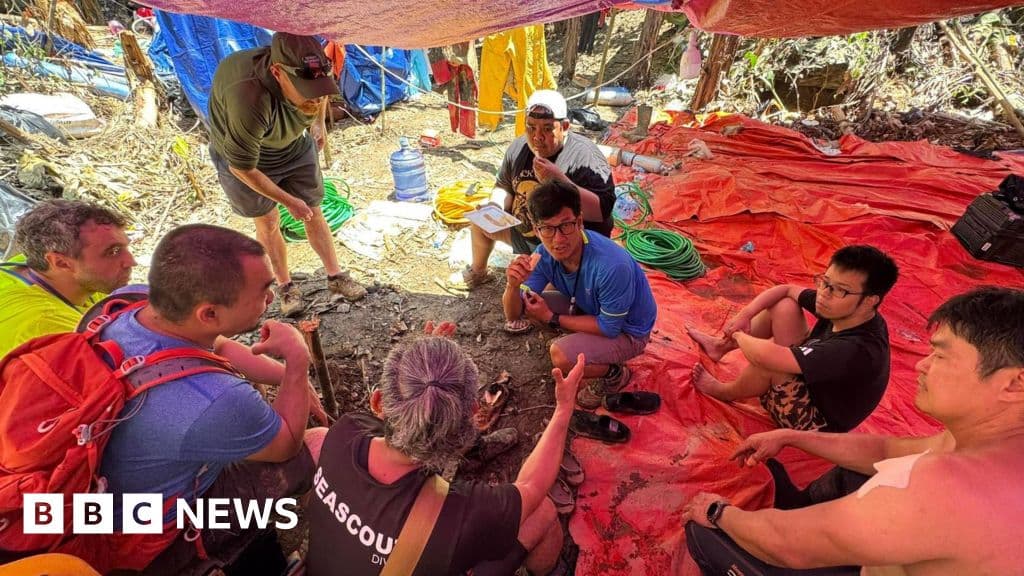
Survivors of the Laos cave rescue are aiding efforts to find the last two missing men trapped inside, sharing crucial insights for the search operation.
BBC World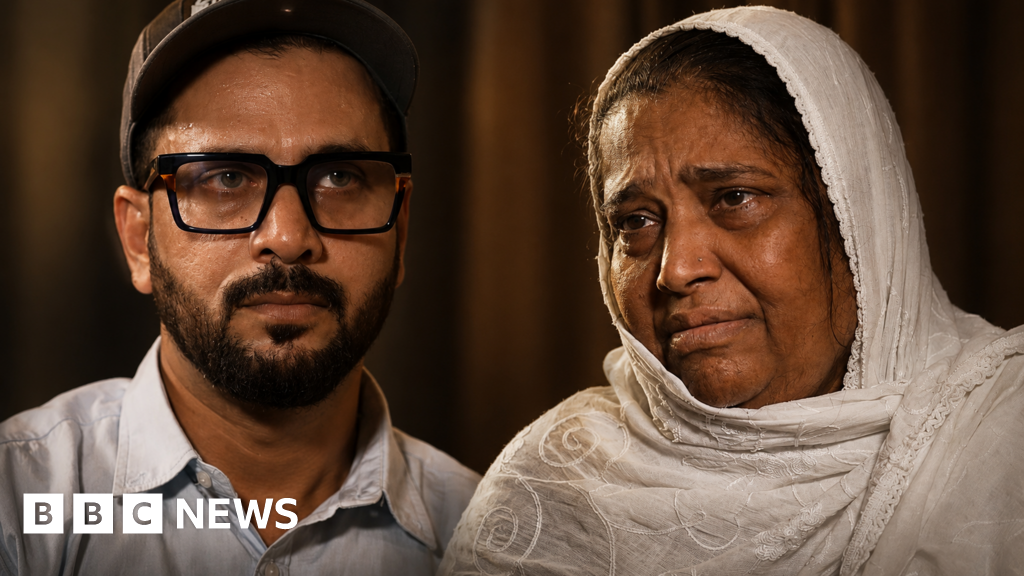
A year after the tragic Air India crash, the Ali family reflects on grief, unanswered questions, and the enduring bonds of love in the face of loss.
BBC Business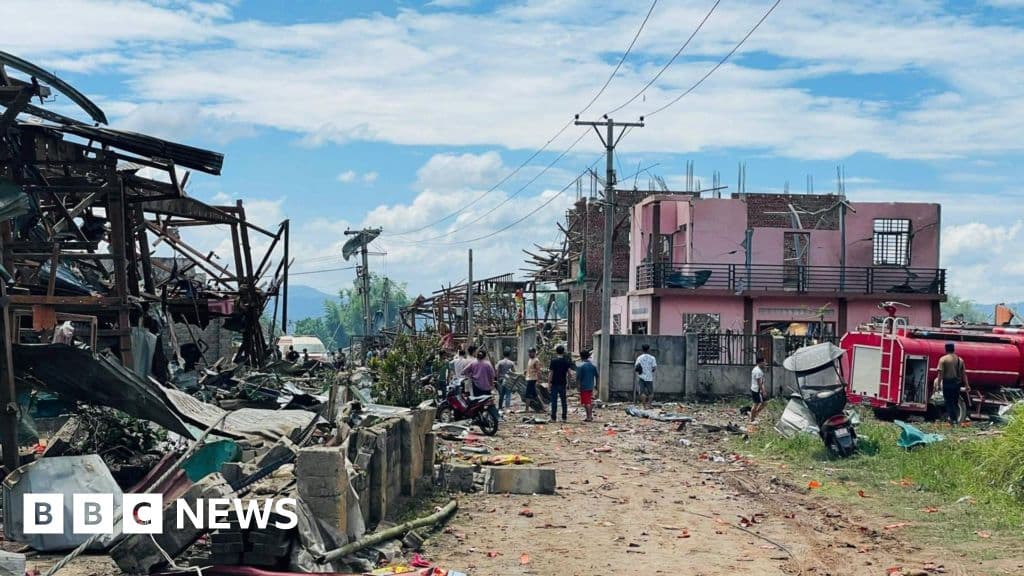
A devastating explosion in Myanmar's Kaung Tat village has killed at least 55 people, raising serious safety concerns and questions about civilian protection in conflict zones.
BBC World