
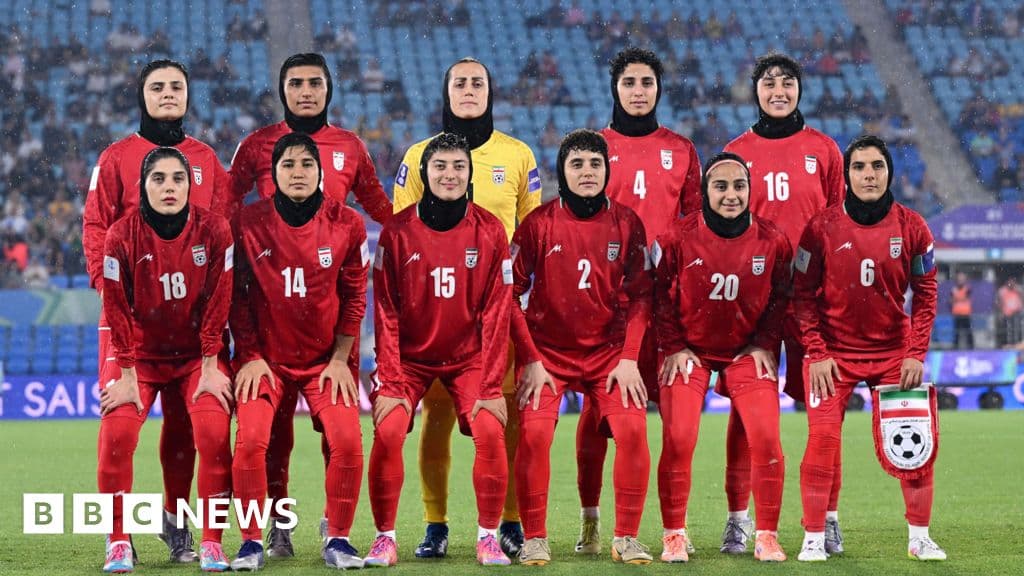
Image: BBC World
Three members of Iran's women's football team change their minds about seeking asylum in Australia, returning home amid political pressure and scrutiny.
GlipzoIn a significant turn of events, three members of the Iranian women's football team, who had been granted humanitarian visas to remain in Australia, have opted to return to their homeland. The players, identified as Zahra Soltan Meshkehkar, Mona Hamoudi, and Zahra Sarbali, are now set to rejoin their teammates and families in Iran.
The decision comes in the wake of heightened scrutiny and pressure following their actions during the Asian Cup match against South Korea on March 2, where the team chose to remain silent during the national anthem. This act of defiance led to severe backlash in Iran, with some labeling the players as "war traitors."
Australia's Home Affairs Minister, Tony Burke, addressed the situation, emphasizing his government’s efforts to provide the players with a safe environment and genuine choices.
> “Australians should be proud that it was in our country that these women experienced a nation presenting them with genuine choices,” Burke stated.
However, he acknowledged the complexities involved, noting that while the Australian government can offer opportunities, it cannot erase the difficult context behind the players' decisions. This highlights the delicate balance between providing asylum and the emotional ties to one's homeland.
The Iranian sports ministry issued a statement confirming the return of the three players, asserting that the national spirit of the women's football team had triumphed over external pressures. The statement accused the Australian government of engaging in a political game, linking their actions to former President Donald Trump’s policies.
According to reports from the Tasnim News Agency, affiliated with the Islamic Revolutionary Guard Corps, the three players are en route to Kuala Lumpur, Malaysia, to reunite with the rest of their squad. The report lauded their decision, framing it as a victory against psychological tactics and propaganda directed at them.
Initially, seven players had expressed a desire to remain in Australia, but with the recent decisions by Hamoudi, Sarbali, and Soltan Meshkehkar, only three players now stand as defectors. Mohaddeseh Zolfi, another member of the delegation, also withdrew her asylum application shortly after it was granted, indicating the intense pressure and emotional turmoil these athletes are facing.
This unfolding saga reflects the harsh realities of standing up against a regime that is known for its stringent control and punitive measures against dissent. In Australia, concerns are mounting regarding potential repercussions for the players and their families back in Iran, especially after their refusal to sing the national anthem.
The situation has sparked widespread discussions about the intersection of sports and politics, particularly in how athletes can serve as symbols of resistance against oppressive regimes. The initial silence during the anthem became a powerful statement, resonating with many who advocate for human rights and freedom of expression.
Critics of the Iranian government have pointed out that the team’s subsequent decision to sing the anthem in later matches could indicate that they were pressured by officials accompanying them. This raises questions about the authenticity of their actions and the lengths to which individuals must go to navigate such politically charged environments.
As the Iranian women's football team returns to Iran, the focus will be on the players' safety and the potential repercussions they may face from the government. The scrutiny from both state media and government officials could lead to increased pressures on the athletes, particularly those who initially expressed a desire to defect.
The remaining players will need to navigate their roles within the national team and the political landscape they return to. It remains to be seen how this incident will affect the future of women's sports in Iran and whether it will inspire further acts of defiance or lead to greater repression.
As the team re-enters a complex and often dangerous political climate, observers will be watching closely for any developments and the potential impact on the broader movement for women’s rights and freedom of expression in Iran.
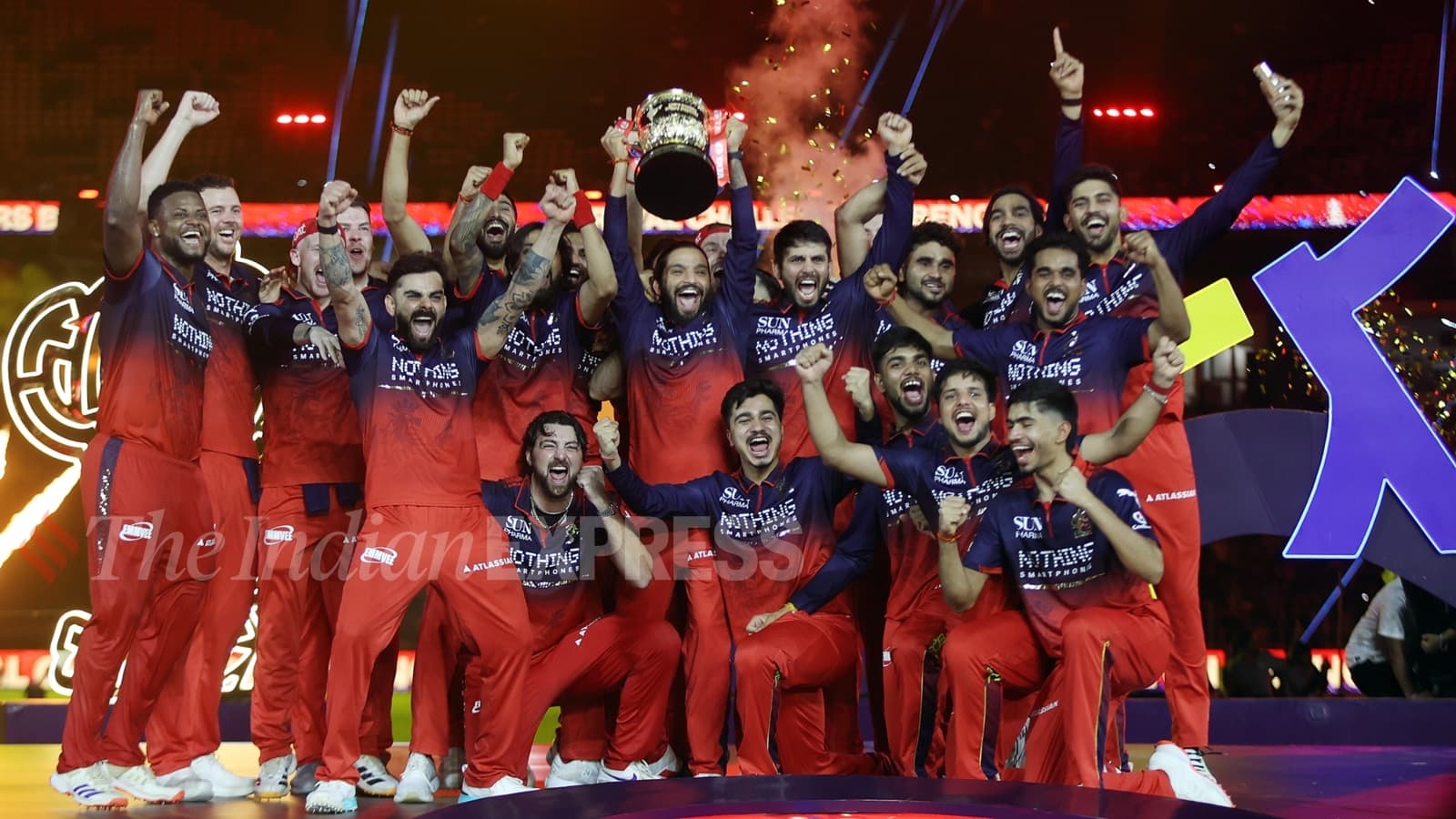
Rajat Patidar leads RCB to back-to-back IPL titles! Discover his leadership insights and goals for a historic third title in the upcoming season.
Indian Express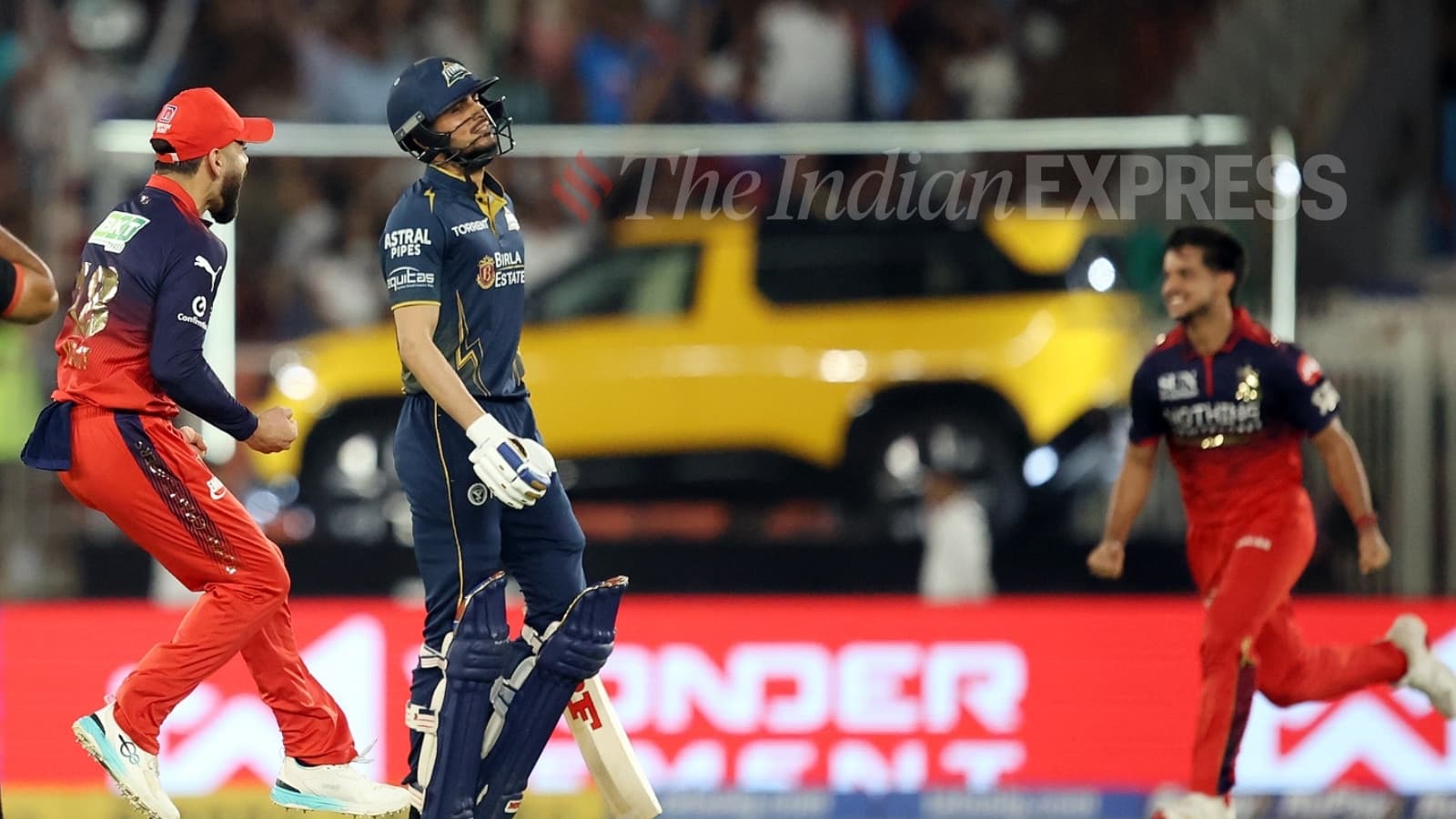
Gujarat Titans' Vikram Solanki reflects on their IPL 2026 final loss, acknowledging shortcomings and praising RCB's performance. What’s next for GT?
Indian Express
Virat Kohli and Anushka Sharma celebrate RCB's IPL 2026 victory with joy and emotion. Discover the highlights of this unforgettable night!
Indian Express