
Image: BBC World
The war in Iran sparks global economic shifts, revealing surprising winners and losers. Discover how this conflict impacts energy markets worldwide.
GlipzoThe war in Iran is sending shockwaves across the globe, affecting everything from household heating bills in Yorkshire to school closures in Pakistan. As the conflict escalates, its economic repercussions are becoming increasingly evident, revealing a landscape of both severe losses and unexpected gains.
In particular, the retaliatory actions of Tehran are designed to create economic disruption, and the fallout is far from uniform. While many are feeling the strain, some nations and sectors are poised to benefit. This article explores the intricate web of winners and losers stemming from this ongoing conflict.
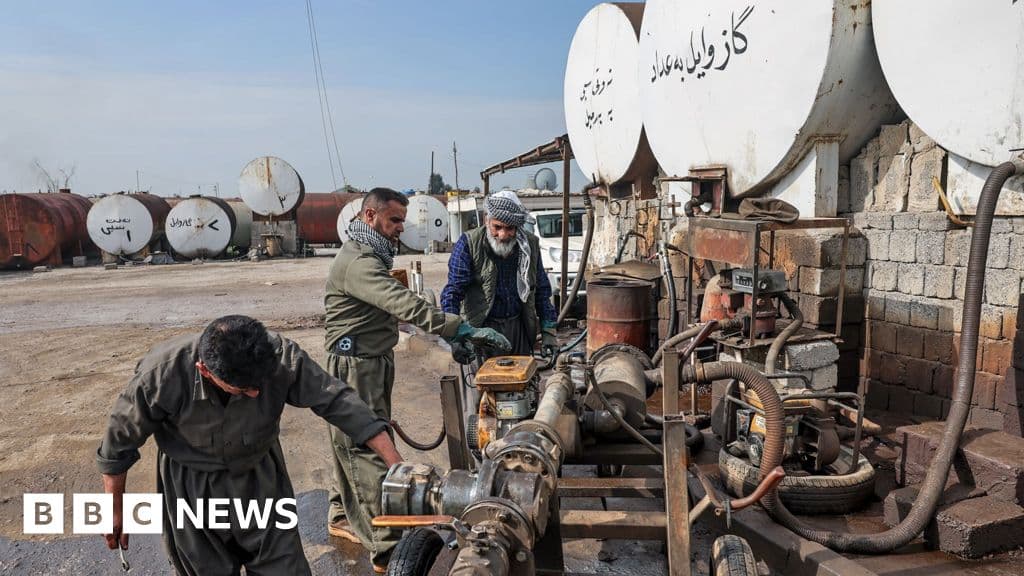
Despite global efforts to shift towards renewable energy, our dependency on oil and gas remains pronounced. The term "black gold" aptly describes crude oil, which can lead to significant wealth for producers when prices surge, while consumers face increased costs. However, the current situation is not a typical oil price spike.
The Middle East continues to be the epicenter of oil supply, with the Strait of Hormuz acting as a critical transit route. The recent attacks on energy infrastructure and the resultant blockade have severely impacted Gulf producers like Qatar and Saudi Arabia as they find themselves directly targeted by Iranian actions. In light of this, buyers are on the lookout for alternative energy sources, creating opportunities for countries like Norway and Canada.
Following the Russian invasion of Ukraine in 2022, Norway significantly increased its oil production, positioning itself as a primary alternative to Russian gas. Canada's Energy Minister, Tim Hodgson, has emphasized the nation’s role as a stable and values-driven energy producer, although questions remain regarding Canada’s capacity to ramp up output effectively.
Interestingly, Russia may emerge as the biggest winner in this unfolding scenario. As the United States relaxes restrictions to alleviate global supply shortages, Russian crude oil exports to India have surged by 50%. Estimates suggest that Moscow could see an increase of up to $5 billion (£3.7 billion) in revenue from oil sales by the end of March, positioning it for one of its most profitable years since 2022.
While there is potential for U.S. oil producers to reap billions from elevated prices if they stabilize, the country itself is not a clear-cut winner. Several factors complicate the situation: - Major players like ExxonMobil have operations in Qatar that have been disrupted due to Iranian missile strikes. - Many shale producers struggle to increase output quickly due to previous reductions in capacity. - On a per capita basis, Americans are the world’s largest consumers of oil and gas, making them particularly vulnerable to price fluctuations.
Economists at Oxford Economics warn that if oil prices were to soar to $140 and remain there, the U.S. economy could shrink. This scenario is echoed throughout many European nations as well, where reliance on imported gas poses a significant risk to economic stability.
The potential rise in oil prices could lead to an inflation increase of approximately 0.5% later in the year, with price hikes affecting everything from fertilizer to shipping costs. The interconnected nature of global economies means that the adverse effects of these price increases will ripple through various sectors, impacting consumers worldwide.
However, there is a silver lining: over the years, countries in the West have become more energy efficient, which may offer some resilience against energy price shocks compared to previous decades. In the UK, for instance, oil and gas still account for over half of energy consumption, leaving consumers exposed to fluctuating prices, especially concerning heating and transportation costs.
Understanding the financial fallout from the war in Iran is crucial not only for policymakers and economists but also for everyday consumers. The disparities in who benefits and who suffers from this conflict illustrate the complexity of global energy markets and the interconnectedness of international economies.
As the situation in Iran continues to unfold, several key factors will shape the global energy landscape: - Energy Prices: Keep an eye on oil and gas prices as geopolitical tensions evolve. - Production Levels: Watch for announcements from Norway and Canada regarding their production capabilities. - Economic Policies: Monitor U.S. policies as Washington adjusts to the changing energy dynamics, particularly concerning Russia.
The war in Iran will undoubtedly continue to have far-reaching consequences, making it essential for individuals and nations alike to stay informed and prepared for the economic challenges and opportunities that lie ahead.

Survivors of the Laos cave rescue are aiding efforts to find the last two missing men trapped inside, sharing crucial insights for the search operation.
BBC World
A year after the tragic Air India crash, the Ali family reflects on grief, unanswered questions, and the enduring bonds of love in the face of loss.
BBC Business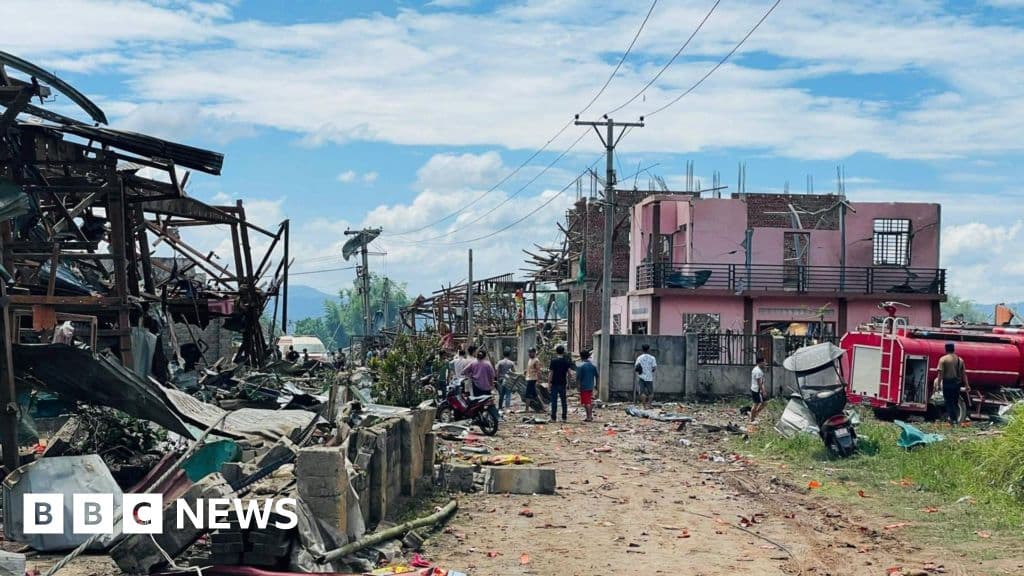
A devastating explosion in Myanmar's Kaung Tat village has killed at least 55 people, raising serious safety concerns and questions about civilian protection in conflict zones.
BBC World