
Image: Indian Express
Discover how The Devil Wears Prada 2 reflects modern journalism's challenges and Miranda Priestly's evolution in the fashion world. Click to learn more!
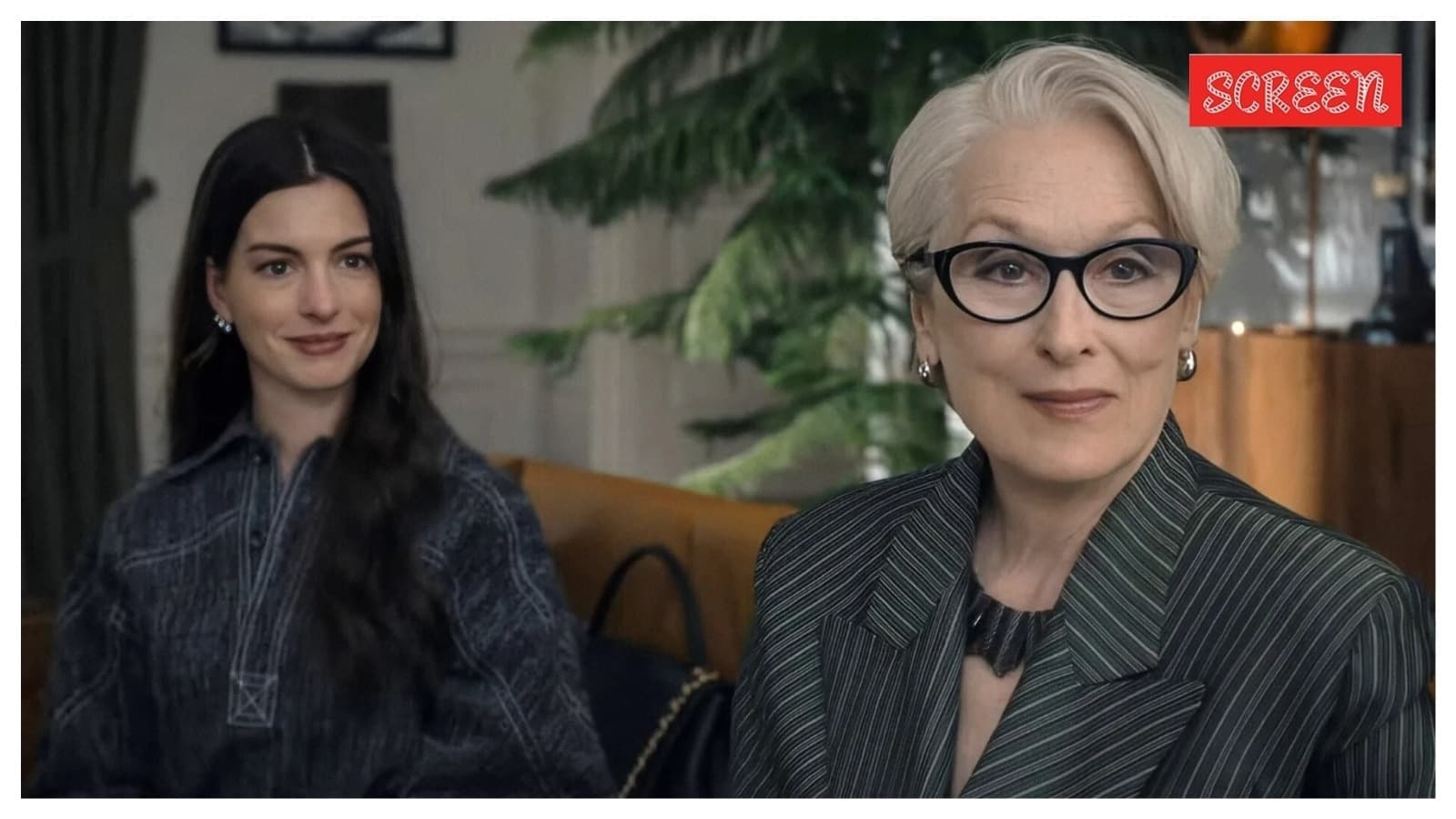
GlipzoTwo decades after its iconic debut, The Devil Wears Prada has returned with a sequel that challenges perceptions and reflects on the profound changes in journalism and media. Premiering to mixed reactions, The Devil Wears Prada 2 reconnects audiences with Miranda Priestly, portrayed by Meryl Streep, and brings a modern lens to the high-stakes world of fashion and publication. While fans initially rolled their eyes at the long wait, it’s clear that this sequel was crafted with purpose and a deeper understanding of the industry’s evolving dynamics.
In the original film, Miranda’s chilling quips and unyielding authority were emblematic of a time when the fashion world seemed invincible. Now, after years of upheaval in both media and societal expectations, the sequel takes a more nuanced approach. The film’s creators have successfully avoided a mere nostalgia trip, instead using the opportunity to explore how the rise of social media and changing public sentiments have impacted the industry.
In The Devil Wears Prada 2, the creators have strategically chosen to depict a world that is very much alive to the realities of modern journalism. Miranda’s entrance, once characterized by her commanding presence and confidence, now reveals vulnerabilities. As she navigates a scandal that threatens to engulf her, the stakes are undeniably higher. In a world where news spreads like wildfire, the consequences of a misstep can be catastrophic.
This sequel does not shy away from addressing relevant issues such as accountability and workplace dynamics. Instead of merely dismissing challenges, the narrative pushes Miranda to confront the shifting paradigm. Her once-unassailable position of power is now clouded by the realities of declining revenues and an audience that demands authenticity.
A pivotal moment in the film occurs when Miranda is whisked away from the glitz of a red carpet into the shadows of crisis management. This scene starkly contrasts with the carefree atmosphere of 2006, highlighting how the digital age has transformed public relations. Gone are the days when a scandal could be brushed under the rug; now, it demands immediate and strategic response.
Miranda’s trademark humor is now redefined, serving as a shield rather than a weapon. She strategically chooses her battles, employing a blend of wit and caution as she interacts with advertisers and her team. For instance, her discomfort and surprise as she travels economy class due to budget cuts from a millennial boss showcases a shift toward a more relatable and human perspective.
The Devil Wears Prada 2 serves not only as entertainment but as a commentary on the evolution of leadership in the workplace. As Miranda Priestly faces the consequences of her past actions and navigates the new terrain of media scrutiny, viewers are left to ponder the implications for leaders in all industries. The film argues that the traditional models of authority and power are being replaced with a more collaborative and transparent approach.
This sequel is particularly relevant in today’s society, where public figures are increasingly held accountable for their words and actions. Miranda’s journey reflects a broader narrative about the importance of adaptability and sensitivity in leadership roles. In an era where social media can make or break a reputation overnight, the ability to evolve and embrace change is crucial.
As we look to the future, it remains clear that the fashion and media landscapes will continue to evolve. This sequel’s release has opened the door for discussions about the responsibilities of those in power and the importance of staying connected to the audience’s needs. The Devil Wears Prada 2 may not have the same frenetic energy as its predecessor, but its measured approach allows it to resonate with contemporary viewers.
Moving forward, industry leaders must learn from Miranda’s journey. The film poses critical questions: How can they adapt to the changing demands of consumers? What steps can be taken to ensure that their brands remain relevant in an increasingly skeptical world? These questions will shape the future of fashion and media, making it essential for stakeholders to remain vigilant and responsive to the evolving landscape.
In conclusion, The Devil Wears Prada 2 is more than just a sequel; it’s a reflection on the complexities of modern leadership in a rapidly changing world. As audiences embrace this new chapter, the enduring legacy of Miranda Priestly and the lessons learned will undoubtedly influence the next generation of fashion and media professionals.
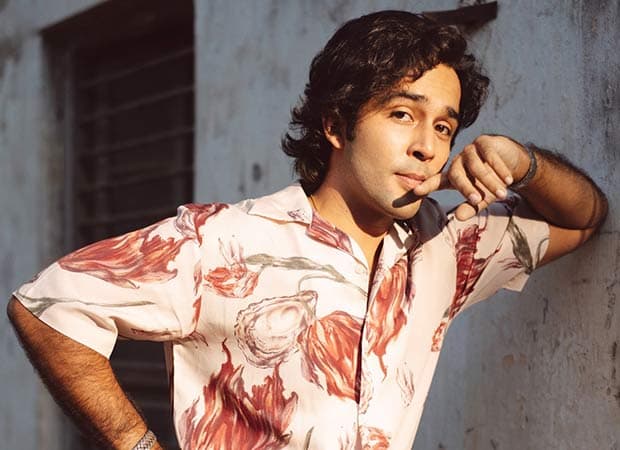
Zahan Kapoor reveals an unconventional role in his upcoming film, signaling a significant shift from his breakout success in Black Warrant. What’s next for this rising star?
Bollywood Hungama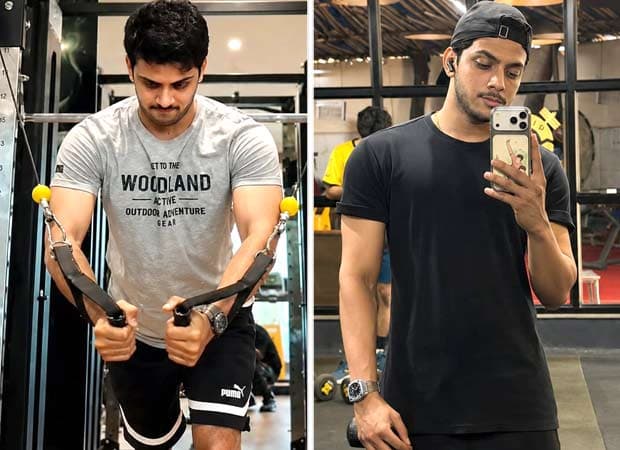
Discover how Vishal Jethwa is transforming his physique for Shakti Shalini, emphasizing the mental discipline behind peak fitness.
Bollywood Hungama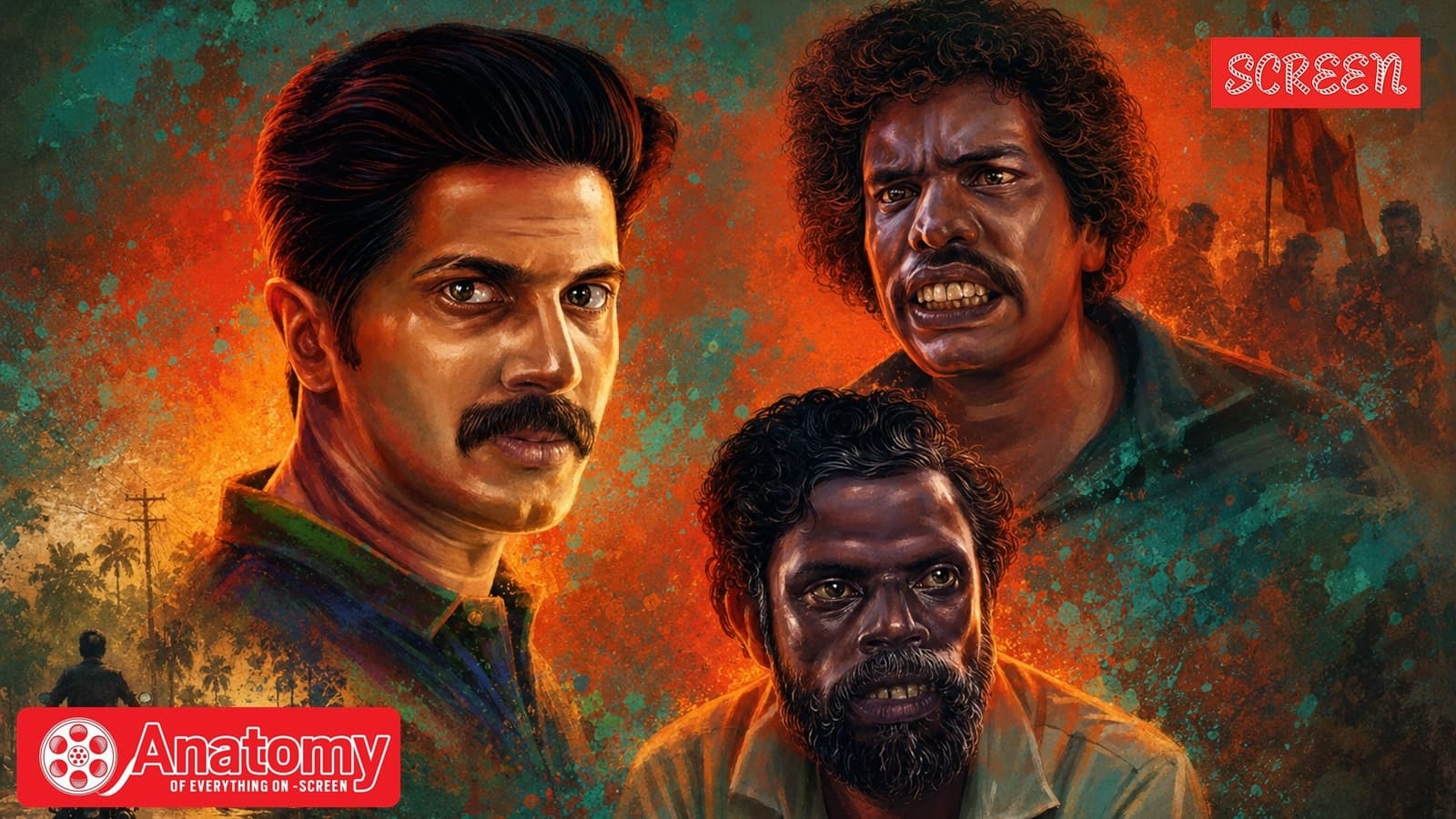
Discover the dark truths of urban development in Kammatipaadam, a film that reveals the often-overlooked sacrifices behind city growth.
Indian Express