
Image: Indian Express
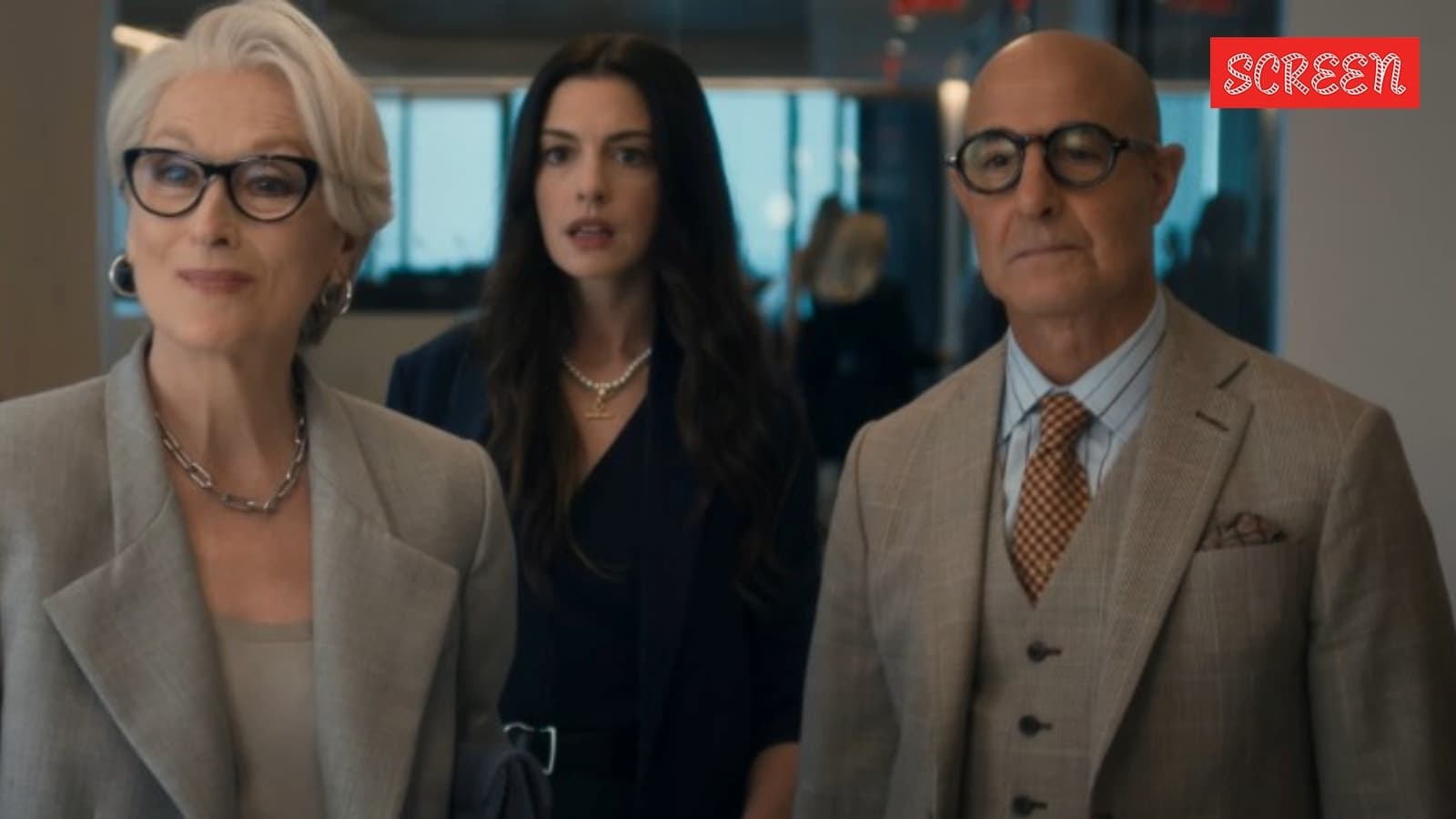
Explore how The Devil Wears Prada 2 reflects today's media challenges and what it means for the future of journalism in a glamorous but changing landscape.
GlipzoWhen The Devil Wears Prada hit theaters in 2006, it was more than just a film; it was a cultural phenomenon that captivated audiences with its portrayal of the fashion world. For many, including myself as a budding journalism student, it offered a peek into an elite universe filled with glamour and high stakes. The stunning performances, particularly by Meryl Streep, and memorable quotes—like the iconic cerulean speech—made it a cinematic staple. Years later, I found myself revisiting this film, reveling in its stylish comfort and aspirational themes.
Fast forward to 2026, and the sequel arrives with a familiar yet daunting weight on my shoulders—almost two decades of experience in the media industry. As I settled into my seat, I felt a blend of nostalgia and anticipation. Would this film resonate with the realities of today's media landscape, or would it fall short of capturing the essence of what made the original so compelling?
The sequel opens with Andy Sachs, played by Anne Hathaway, receiving a prestigious journalism award, a moment that feels celebratory but is quickly overshadowed by a shocking turn of events. Moments later, the entire audience receives notifications on their phones announcing the firing of all staff at their publication. For anyone who has worked in media, this scene strikes a chord. The anxiety surrounding job security, sudden layoffs, and industry restructuring is a shared experience that resonates deeply with professionals across the field.
In this context, the film takes on a new layer of significance. The realities of redundancy are no longer abstract ideas; they are vivid reminders of an industry in flux.
Another key character from the original film, Miranda Priestly, portrayed again by Meryl Streep, finds herself in a significantly altered position. Once the epitome of power and influence in the fashion magazine industry, Miranda’s role has shifted as she navigates a landscape that increasingly prioritizes digital media and advertising relationships. This transition reflects the broader changes within the magazine industry over recent years.
Having worked in various media organizations during the golden age of print, I can attest to the nostalgia for those days when magazine productions felt monumental—lavish celebrity features and meticulously crafted layouts were the norm. However, that world has drastically changed: - Digital media has taken precedence, leading to a contraction of print outlets. - Budget cuts have become commonplace, reshaping how stories are told and produced. - New ownership often brings swift changes, sidelining seasoned professionals as they are viewed as surplus.
The film's depiction of these shifts provides a relatable backdrop for those familiar with the industry's evolution, but it only scratches the surface of a much deeper narrative.
While the sequel touches on the changing media landscape, it does so with a superficial gloss, opting for a feel-good narrative rather than an in-depth exploration of the industry's challenges. It hints at the complexities of the publishing world without fully engaging with them. This is, after all, a Hollywood production designed to entertain rather than to serve as a critical analysis of media transformation.
For many viewers, especially those outside the industry, this may not detract from the film’s entertainment value. However, for those of us who have lived through the trials and tribulations of media careers, it feels like a missed opportunity. The recognition of familiar struggles is present but remains fleeting, as the story quickly shifts to a more glamorous and light-hearted approach.
Despite these shortcomings, the film aims to rekindle the charm of its predecessor, striving to deliver an entertaining, glamorous experience. Yet, this pursuit proves challenging. The original film successfully combined wit, style, and substance, whereas the sequel struggles to find its footing in those areas. While the movie attempts to mirror the allure of the fashion world, it often falls short, resulting in a somewhat disjointed narrative.
Ultimately, while the sequel has its entertaining moments, it doesn’t quite capture the magic that made the first film a classic. It may satisfy fans looking for a stylish escape, but it leaves those of us in the industry craving a more nuanced portrayal of our realities.
As the credits roll, I am left reflecting on the film's portrayal of the media landscape and what lies ahead. The challenges illustrated in The Devil Wears Prada 2 echo broader trends affecting journalism and media industries today. The struggles with job security, the shift towards digital media, and the need for constant adaptation are likely to persist.
Moving forward, it will be essential for media professionals to remain resilient in the face of these challenges. The industry continues to evolve, and while the film may only touch on the surface, it serves as a reminder of the complexities that lie beneath the glamour. What happens next? Will the media adapt and thrive in this new era, or will we continue to see further transformations that reshape our understanding of journalism? Only time will tell, but one thing is certain: the conversation around the future of media is just beginning.
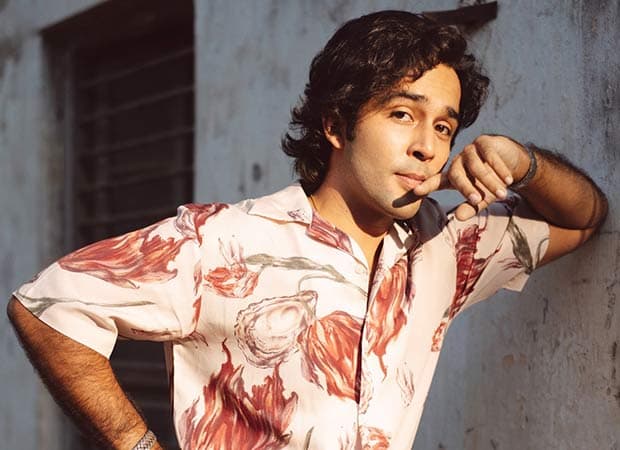
Zahan Kapoor reveals an unconventional role in his upcoming film, signaling a significant shift from his breakout success in Black Warrant. What’s next for this rising star?
Bollywood Hungama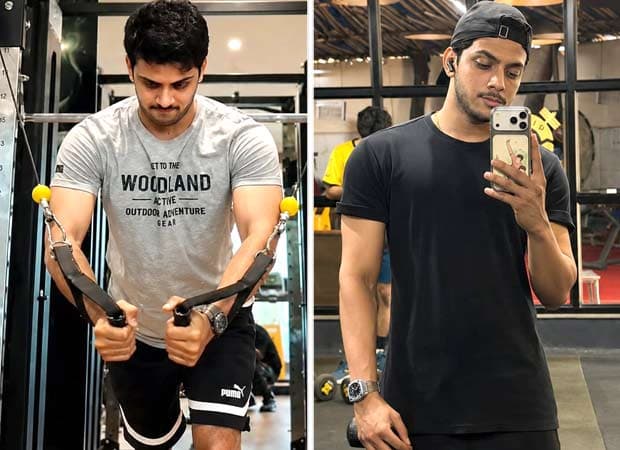
Discover how Vishal Jethwa is transforming his physique for Shakti Shalini, emphasizing the mental discipline behind peak fitness.
Bollywood Hungama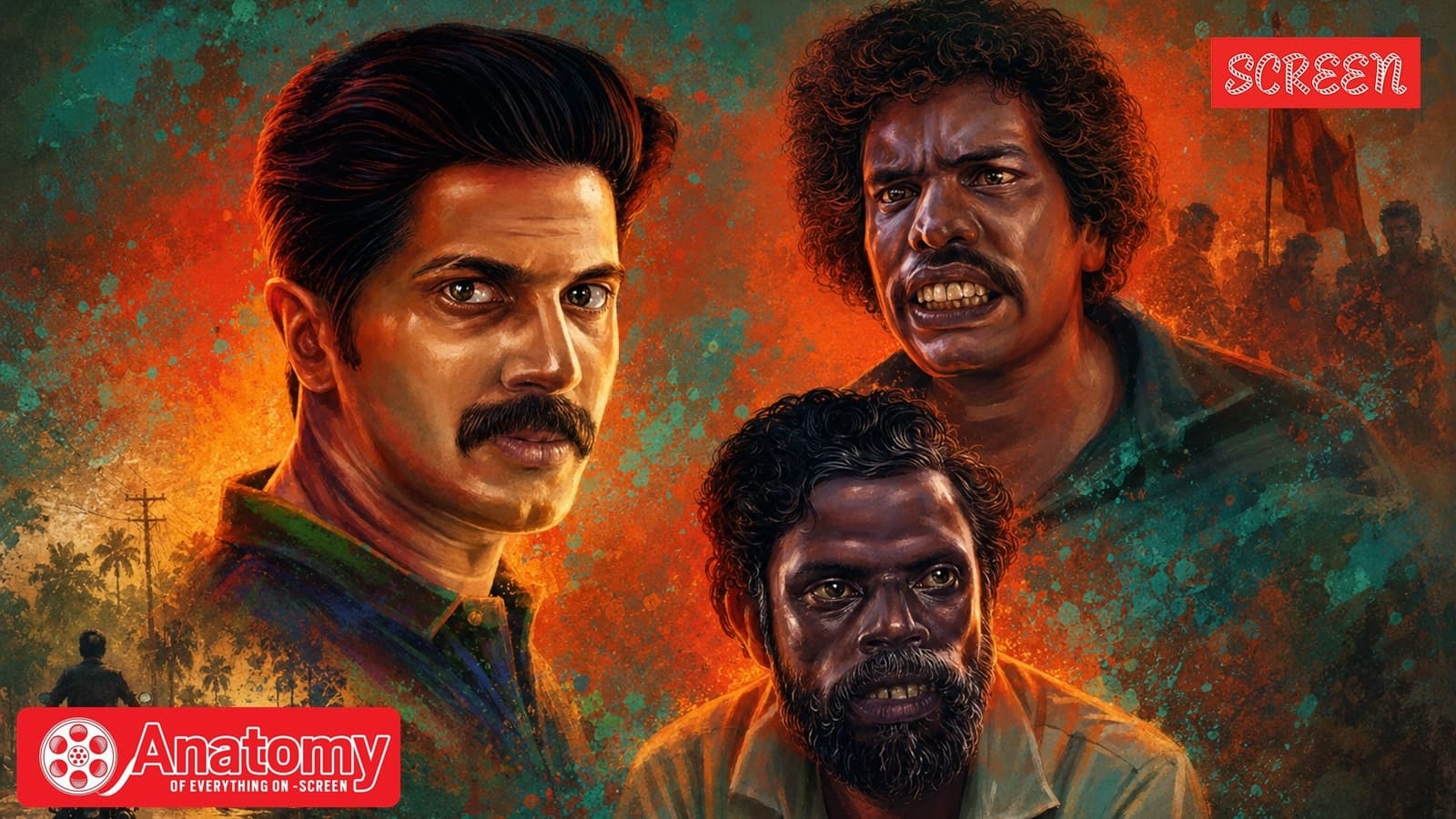
Discover the dark truths of urban development in Kammatipaadam, a film that reveals the often-overlooked sacrifices behind city growth.
Indian Express