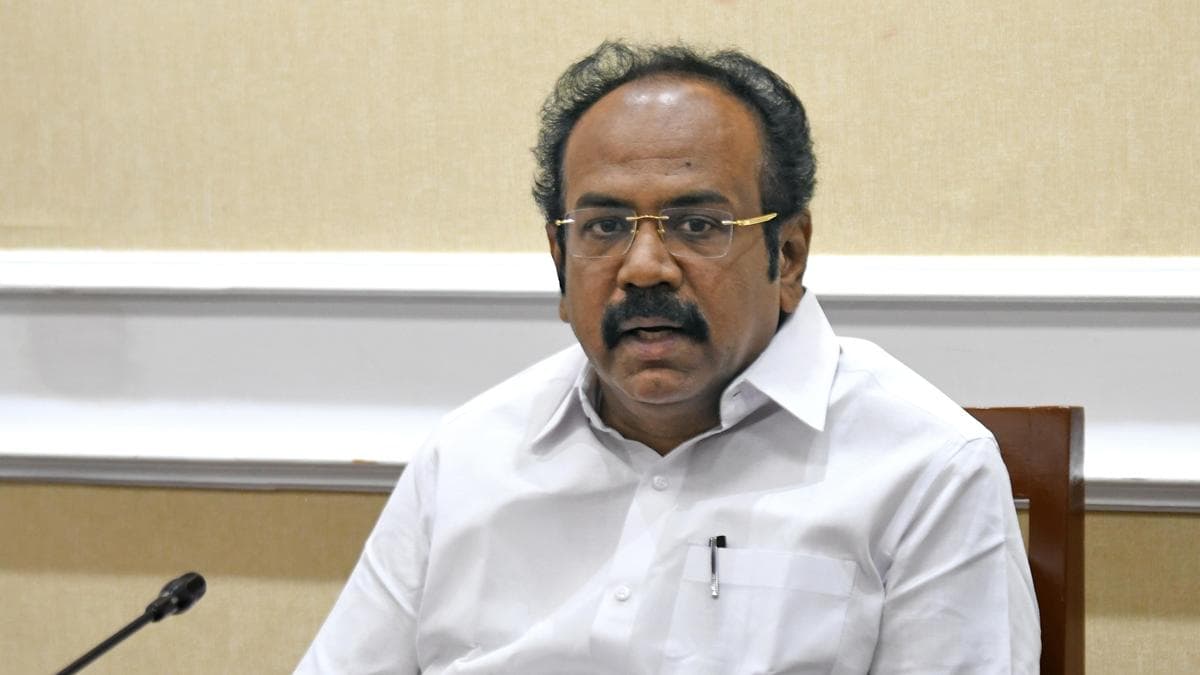
Thangam Thennarasu defends Tamil Nadu's welfare spending as inclusive growth ahead of elections, countering claims of fiscal irresponsibility.
Tamil Nadu's Welfare Spending: A Political Hot Topic
With the **Tamil Nadu Assembly elections** approaching on **April 23**, discussions surrounding welfare spending and public debt have intensified. In a recent interview with The Hindu, **Finance Minister Thangam Thennarasu**, a senior leader of the **DMK**, passionately defended the government's welfare initiatives against accusations of fiscal irresponsibility. He revealed that the state has invested over **₹4 lakh crore** in welfare programs and social support measures over the past five years.
Critics have raised concerns about the timing of cash transfers to beneficiaries, suggesting that these actions are politically motivated. They argue that the increased debt burden could have long-term repercussions for the state. However, Thennarasu contends that welfare spending should not be viewed negatively. Instead, he emphasizes the necessity of inclusive growth, suggesting that without such measures, the benefits of economic development would be disproportionately enjoyed by a select few.
The Benefits of Cash Transfer Schemes
Thennarasu highlighted the global recognition of cash transfer schemes as effective policy instruments. He stated that these programs reduce leakage, empower beneficiaries, and stimulate local economies through increased consumption. He pointed out that the **PM-KISAN scheme**, launched by the Union government, has been implemented in 15 states for women, yet when similar policies are adopted in Tamil Nadu, they are dismissed as politically motivated.
Key Points from Thangam Thennarasu:
- **Welfare spending** is essential for inclusive economic growth.
- Cash transfer schemes provide autonomy and stimulate local economies.
- **Over ₹4 lakh crore** has been allocated to welfare programs in five years.
Social Impact of Welfare Programs
When discussing the tangible outcomes of the government's welfare initiatives, Thennarasu pointed to several successful programs. For instance, the **Kalaignar Magalir Urimai Thogai** scheme has improved women's financial independence, leading to enhanced household stability. Additionally, the **Pudhumai Penn** initiative has significantly increased college enrollment among female students in government schools.
Moreover, the Vidiyal Payanam Thittam has successfully increased the number of bus trips taken by women, facilitating better access to employment and education. According to a 2023 study, households have saved approximately ₹888 per month on transport costs, further illustrating the positive impact of these welfare measures.
Addressing Concerns About Debt
Thennarasu dismissed fears of a potential debt trap, stating that the growth in state debt over the past five years has been **96%**, a marked improvement compared to **128%** in the previous five-year period. He assured that the **debt-to-GSDP ratio** remains manageable and aligns with the recommendations set by the **Finance Commission of India**.
The Importance of Human Capital
The Finance Minister elaborated on the broader implications of welfare spending, framing it within Tamil Nadu's growth model. He emphasized the significance of human capital as a critical factor in production. As the state progresses economically, enhancing productivity becomes vital, and this can be achieved by investing in health and education.
- **Healthy individuals** are more productive.
- **Better education** leads to a skilled workforce.
- **Economic empowerment** is essential for sustainable growth.
Thennarasu asserted that the government’s substantial investment in health, education, and social welfare reflects its commitment to strengthening human capital, which is essential for the state's long-term economic stability.
The Future of Welfare in Tamil Nadu
As Tamil Nadu approaches its elections, the debate on welfare spending is likely to remain a focal point. Thangam Thennarasu's defense of the DMK government’s policies indicates a strong commitment to continuing these welfare initiatives. This could shape the political landscape and influence voter perceptions significantly.
Looking ahead, it will be crucial to monitor how these welfare programs evolve and their impact on the electorate. Will the initiatives bolster support for the DMK, or will concerns over fiscal responsibility overshadow their benefits? The forthcoming election cycle will undoubtedly be a pivotal moment for welfare policy in Tamil Nadu.
In conclusion, as discussions about fiscal responsibility and welfare spending heat up, Thangam Thennarasu’s statements provide insight into the government's priorities and the belief that investing in social welfare is key to sustainable growth. The balance between maintaining fiscal health and ensuring inclusive growth will be a critical issue in the upcoming elections.