
Image: The Hindu
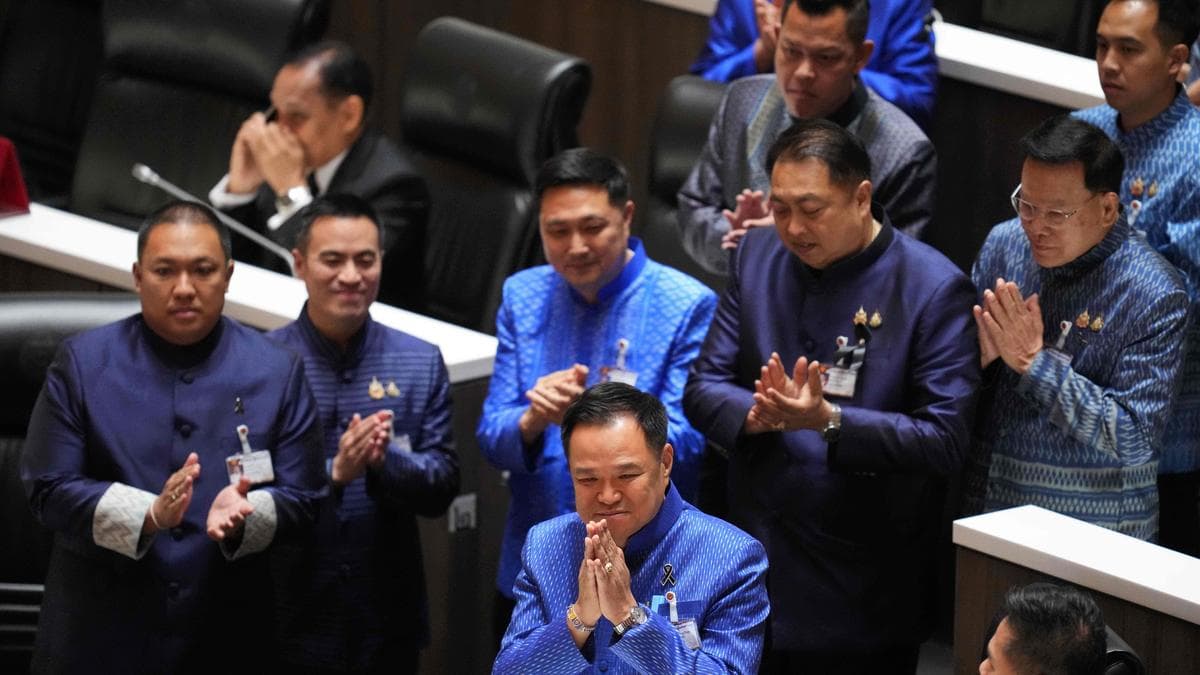
Thailand's Anutin Charnvirakul retains his role as Prime Minister after securing 293 parliamentary votes. What challenges lie ahead for his government?
GlipzoCharnvirakul is slated to officially assume office shortly after receiving his formal appointment from King Maha Vajiralongkorn. In the coming weeks, a new Cabinet is expected to be appointed, setting the stage for the government's priorities under his continued leadership.
During the recent parliamentary session, Charnvirakul and Natthaphong Ruengpanyawut, leader of the People’s Party, abstained from voting. Ruengpanyawut received 119 votes in what was described as a symbolic nomination process. The dynamics of these party affiliations will be crucial as the new government takes shape and confronts pressing issues facing the nation.
In addition to economic pressures, a cloud of political uncertainty looms over the newly formed government. The Constitutional Court recently announced it would deliberate on whether the recent election results should be annulled. This decision follows a petition from the Ombudsman's Office, alleging that the use of barcodes and QR codes on ballots could compromise voter anonymity, violating the election laws that mandate secrecy in voting.
His popularity has notably increased amid rising nationalist sentiments, particularly following his portrayal as a defender of Thailand during recent territorial disputes with Cambodia. These conflicts have resonated with voters, enhancing his appeal as a leader who prioritizes national interests.
Looking ahead, observers should watch for: - The Constitutional Court's ruling on the validity of the recent elections, which could reshape the political landscape. - The government's approach to managing the economic fallout from the war in West Asia, particularly in relation to energy prices. - The potential for further political alignments or conflicts as parties navigate their roles in the coalition.
Charnvirakul's leadership will undoubtedly be tested as he seeks to unify diverse political factions while addressing the concerns of Thai citizens. The coming weeks will be crucial in determining the direction of the nation as it confronts both internal and external challenges.
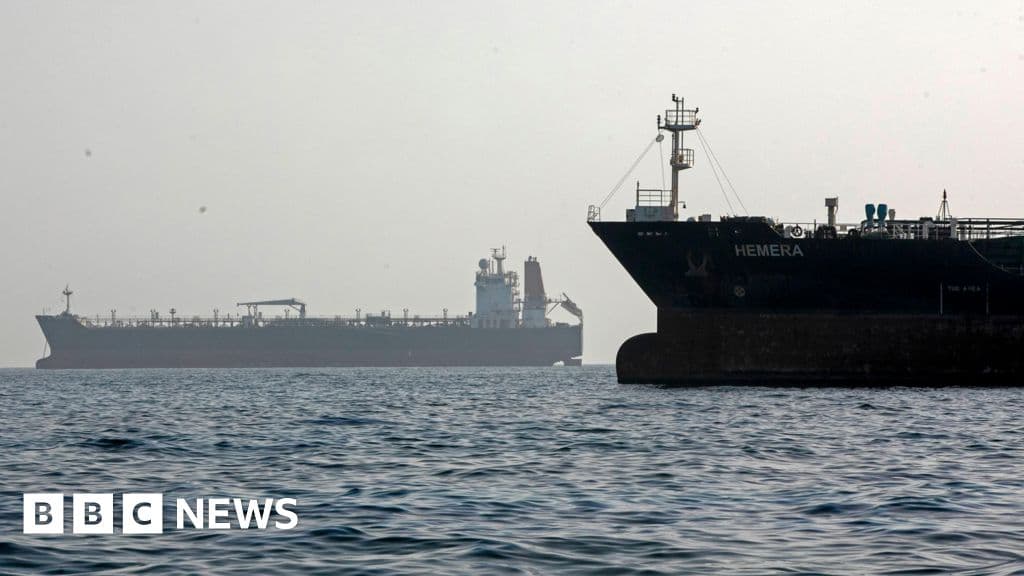
Tensions soar as the US and Iran engage in air strikes near the Strait of Hormuz, raising concerns over global oil supply and regional stability.
BBC World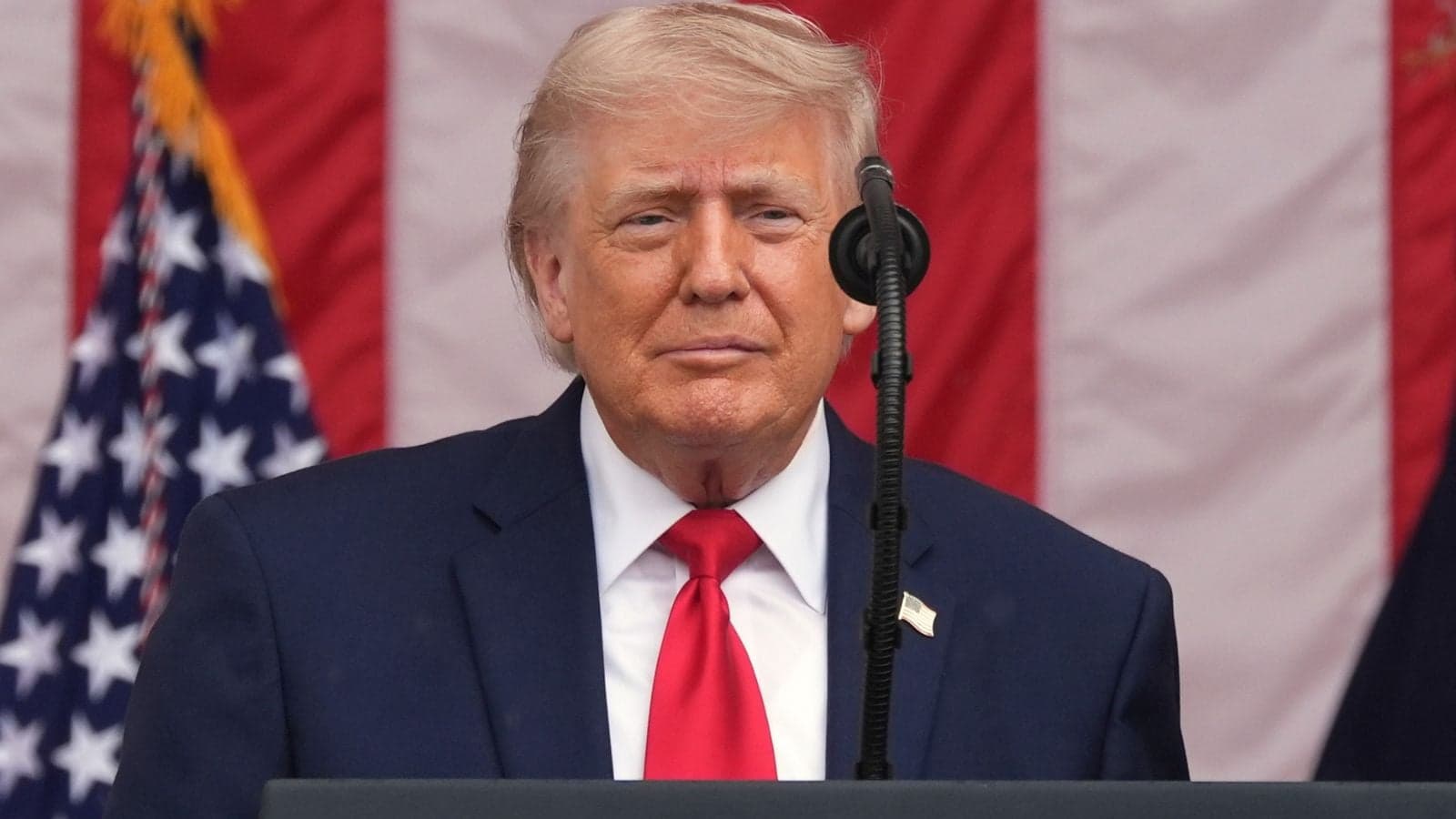
Trump's international interventions face serious stalemates. What will this mean for U.S. foreign policy? Explore the critical challenges ahead.
Indian Express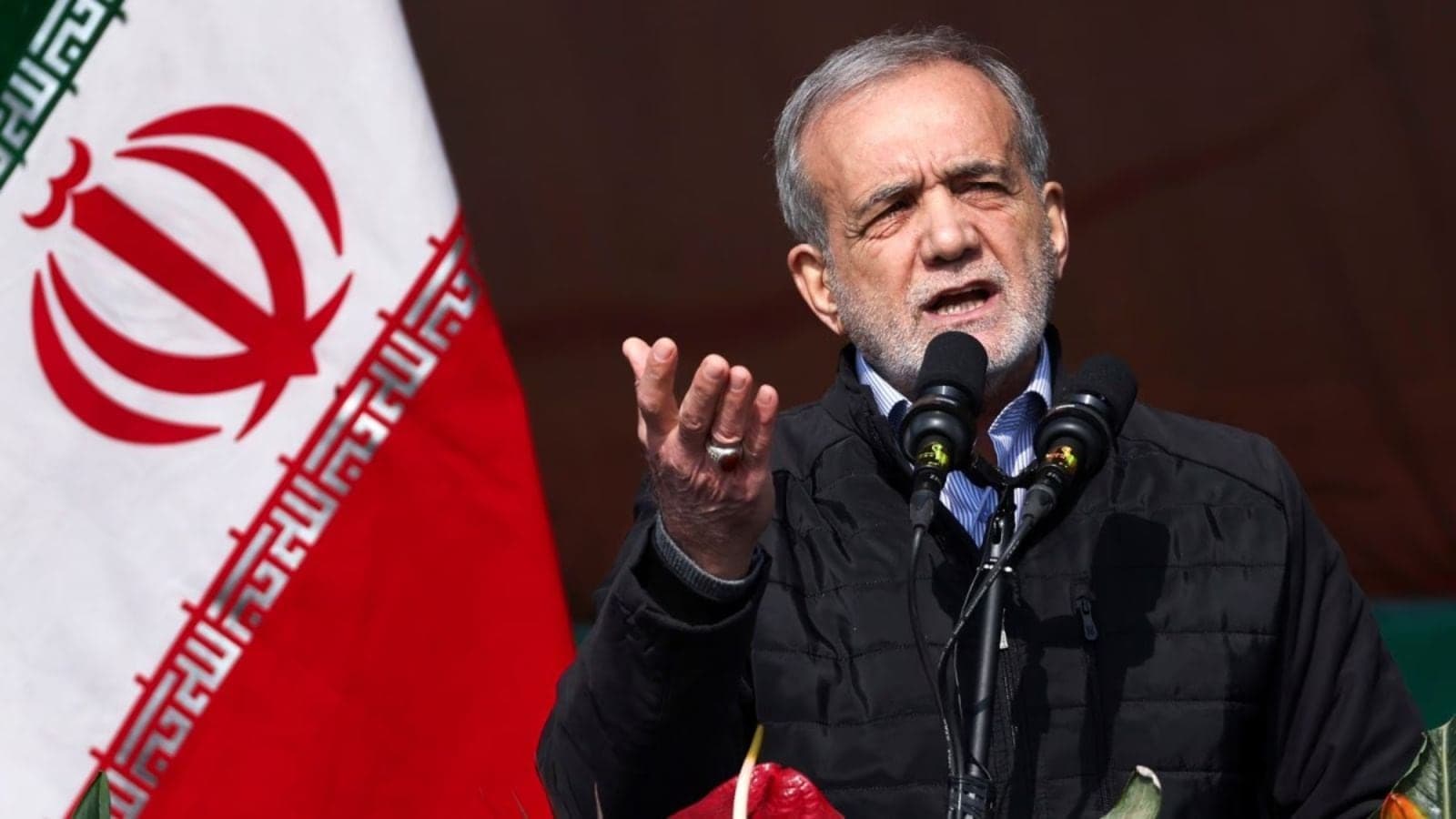
Tehran denies resignation of President Masoud Pezeshkian amid claims of IRGC influence. What does this mean for Iran's political stability? Click to learn more!
Indian Express