
Image: BBC Business
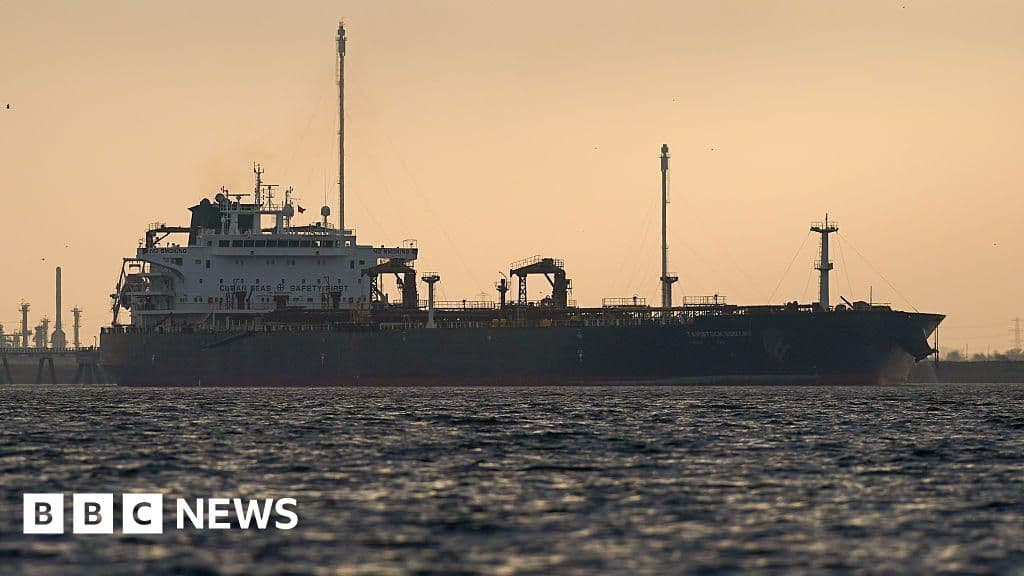
Tankers are advised against paying tolls to Iran for Strait of Hormuz passage, as tensions rise amid ongoing conflict and potential global supply impacts.
GlipzoIn a tense maritime landscape, tankers traversing the Strait of Hormuz are being strongly advised against paying tolls to Iran for passage. This advisory comes in light of a ceasefire agreement reached on Tuesday, which has struggled to restore normal traffic in this critical shipping lane. The strait is pivotal as it serves as a conduit for approximately 20% of the world’s oil and gas supplies, making its safety and accessibility crucial for global energy markets.
Despite the ceasefire, Iran has asserted that vessels must seek its permission to navigate the strait, warning that those who disregard this could face being "targeted and destroyed." Furthermore, Iranian authorities are suggesting the imposition of fees for safe passage, raising alarms among shipping industry leaders about the legality and safety of such demands.
Phillip Belcher, a representative from the International Association of Independent Tanker Owners (Intertanko), expressed strong opposition to the idea of paying tolls. "We do not believe the payment of tolls is the right way to go about this," he stated. Belcher’s organization, which represents 190 independent tanker operators accounting for over half of the world’s oil tanker fleet, has cautioned its members against using the strait. He elaborated, "An attack could take place at any time, and the Strait is not safe until there is a lasting cessation of conflict."
The situation has escalated since the outbreak of conflict, with reports indicating a significant decline in tanker traffic. Only 15 vessels have successfully navigated the strait since the ceasefire, a stark contrast to the pre-conflict average of 140 vessels per day. This decline has left nearly 800 ships stranded in the Gulf, many laden with essential cargo, exacerbating concerns about potential shortages of oil, gas, and even food supplies globally.
The Iranian Revolutionary Guard Corps (IRGC), which oversees much of Iran's maritime activities, has been designated a terrorist organization by both the United States and the European Union. Belcher pointed out, "The payment of monies to a terrorist organization should be avoided," highlighting the legal and ethical implications of complying with Iran's demands for tolls.
In a twist, former President Donald Trump suggested a potential collaborative approach between the U.S. and Iran, proposing that both nations could levy fees as a "joint venture." However, he later appeared to retract this idea, cautioning Iran against imposing such charges on tankers. His statements reflect the complex interplay of diplomacy and economic interests in this pivotal region.
Arsenio Dominguez, the Secretary-General of the International Maritime Organization, chimed in on the matter, emphasizing that countries should uphold the established rights to freedom of navigation. He stated, "International straits, in accordance with international law, are for the use of everyone, and that's why no toll restrictions should be imposed."
These remarks resonate with a broad consensus among maritime experts and shipping companies who advocate for the principles of free passage through international waters. The ongoing conflict and subsequent toll proposals from Iran threaten to undermine these principles, potentially leading to increased tensions in the region.
The impacts of the current blockade extend beyond immediate shipping concerns. The longer the strait remains obstructed, the more significant the consequences will be on global supply chains. Analysts predict a ripple effect on the prices of fuel, electricity, food, and medicines, as disruptions in oil and gas supplies could create shortages and inflate costs worldwide.
Erik Hanell, CEO of Stena Bulk, a prominent Swedish tanker firm, expressed caution regarding their operations in the region. "We need safety guarantees," he stated, emphasizing that the company would refrain from utilizing the strait until it is assured of the safety of their crews. This sentiment is shared across the industry, as companies weigh the risks of navigating through a conflict-laden area.
As diplomatic efforts continue, with U.S. Vice President JD Vance scheduled to meet with Iranian officials in Islamabad on Saturday, the maritime community watches closely. The discussions aim to solidify a ceasefire agreement that seems increasingly fragile given the ongoing airstrikes in Israel and Lebanon.
The outcome of these negotiations could significantly alter the current landscape of maritime navigation in the Strait of Hormuz. If a robust agreement is reached that guarantees safe passage without tolls, shipping traffic may gradually resume. However, persistent hostilities could lead to further restrictions, prolonging the crisis and intensifying its effects on global markets.
As the situation evolves, stakeholders in the shipping industry, governments, and international organizations will need to remain vigilant. The balance of power in this vital waterway hinges on the diplomatic engagements of the coming days, where the stakes are high for both regional stability and global economic health.
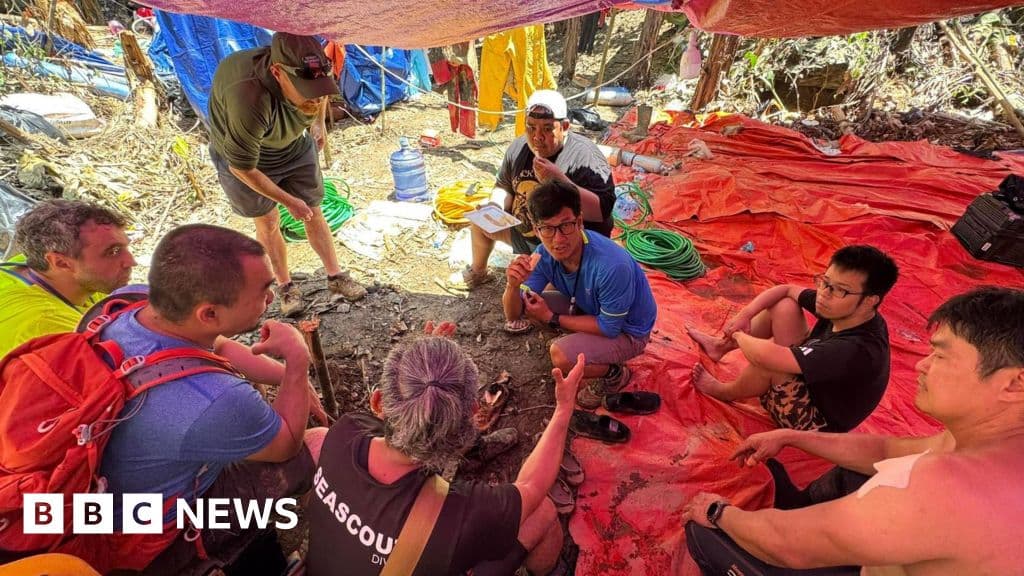
Survivors of the Laos cave rescue are aiding efforts to find the last two missing men trapped inside, sharing crucial insights for the search operation.
BBC World
A year after the tragic Air India crash, the Ali family reflects on grief, unanswered questions, and the enduring bonds of love in the face of loss.
BBC Business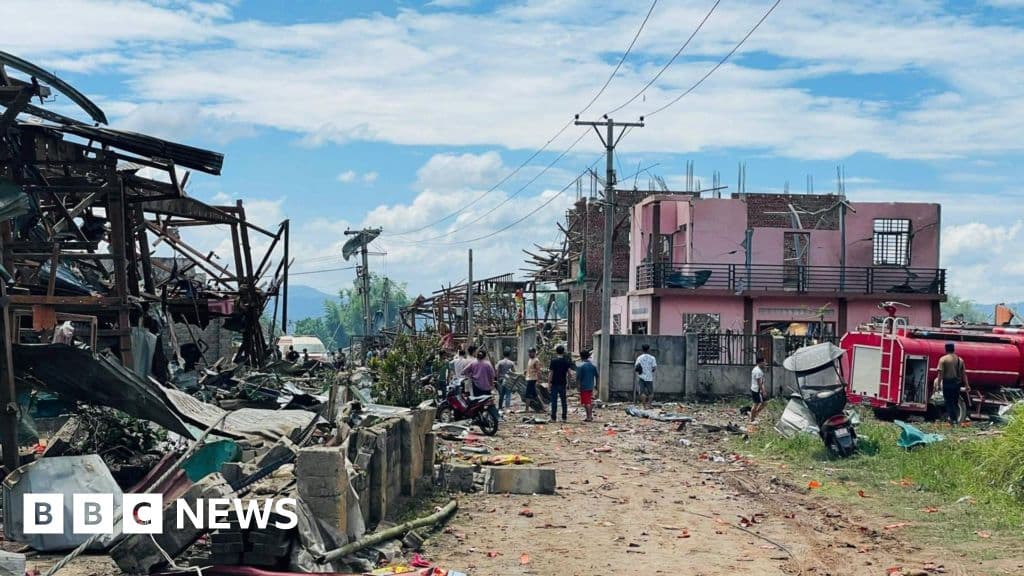
A devastating explosion in Myanmar's Kaung Tat village has killed at least 55 people, raising serious safety concerns and questions about civilian protection in conflict zones.
BBC World