
Image: The Hindu
Tamil Nadu prepares for a pivotal election in May 2026, with DMK, AIADMK, and new disruptors like TVK battling for power. Discover the implications.
GlipzoAs Tamil Nadu braces for a high-stakes electoral battle, the political landscape is charged with anticipation. Scheduled for May 2026, the state’s assembly elections will see the traditional Dravidian titans, DMK (Dravida Munnetra Kazhagam) and AIADMK (All India Anna Dravida Munnetra Kazhagam), facing an unexpected challenger in the form of Tamilaga Vettri Kazhagam (TVK), a party spearheaded by the popular film star C. Joseph Vijay. The electoral arena is further complicated by the presence of Naam Tamilar Katchi (NTK), led by Seeman, which has rapidly evolved into a recognized state party.
The upcoming elections will not only test the endurance of the long-standing DMK and AIADMK rivalry but also evaluate the impact of newer political entities like TVK and NTK on Tamil Nadu’s complex political fabric. This unique quadrangular contest for 234 Assembly seats has prompted the major parties to solidify their alliances and strategies, knowing that the stakes are higher than ever.
Under the leadership of Chief Minister M.K. Stalin, the DMK is making significant moves to maintain its grip on power. The party has expanded its Secular Progressive Alliance, which now includes over 20 parties. This coalition comprises historical allies such as the Congress, CPI, CPI(M), and MDMK, alongside newcomers like the late Vijayakant’s DMDK and Kamal Haasan’s Makkal Needhi Maiam. The DMK’s alliance is primarily motivated by a shared ideological opposition to the BJP.
Key highlights of the DMK alliance include: - Inclusion of DMDK to prevent it from siding with AIADMK. - 28 seats allocated to Congress, a three-seat increase from the last elections. - A Rajya Sabha berth offered to maintain cooperation within the alliance despite tensions.
Stalin’s willingness to make such concessions reflects the urgent need to consolidate support in light of a potential vote split caused by newer entrants like TVK. Even though the DMK’s alliance appears formidable, the actual contributions of smaller parties may only yield marginal gains.
On the opposing front, the AIADMK, under the leadership of Edappadi K. Palaniswami, is attempting to regroup after a period of internal strife. Union Home Minister Amit Shah has played a pivotal role in rekindling the party’s ties with the NDA (National Democratic Alliance). The BJP’s strategy includes bringing former rebel T.T.V. Dhinakaran’s Amma Makkal Munnetra Kazhagam (AMMK) into the fold, enhancing the coalition’s electoral viability.
Despite these developments, Palaniswami has been cautious, not extending olive branches to other factions within the AIADMK, particularly towards O. Panneerselvam and V.K. Sasikala, who were once key figures in the party. This exclusion could pose risks, as internal divisions may weaken the AIADMK’s overall strength.
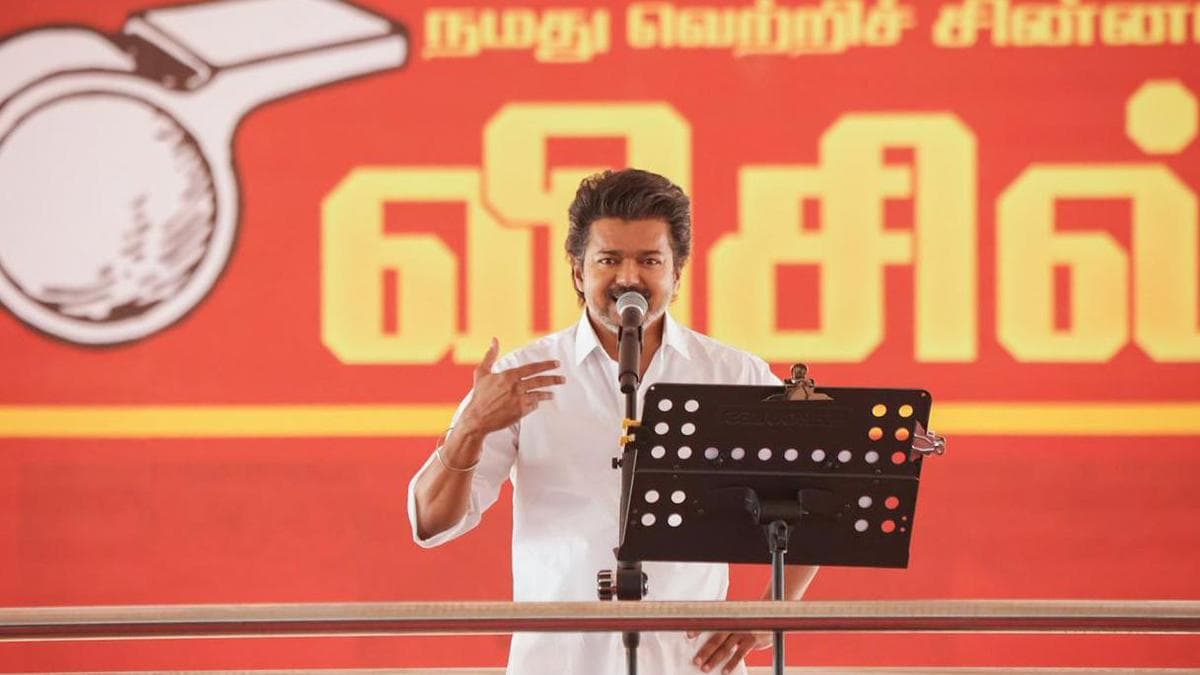
Meanwhile, the emergence of Tamilaga Vettri Kazhagam (TVK) marks a significant shift in Tamil Nadu's political dynamics. Founded by actor C. Joseph Vijay, TVK is capitalizing on the star power of its leader to attract a younger electorate disillusioned with traditional politics. The party's platform emphasizes social justice, economic reforms, and a commitment to Tamil identity, resonating particularly well with younger voters.
The political landscape is further complicated by Naam Tamilar Katchi (NTK), a party that has gained traction by advocating for Tamil nationalism and cultural pride. The growth of these parties indicates a potential realignment of voter preferences away from traditional alliances, challenging the dominance of the DMK and AIADMK.
The implications of this election extend beyond mere power shifts within Tamil Nadu. With a population passionate about politics and a history of robust voter turnout, this election could redefine the state’s governance. The Dravidian Model, which has historically focused on welfare and social justice, may receive renewed scrutiny as parties vie for the public’s support based on their performance and promises.
As the campaign heats up, observers will be keen to see how the alliances hold under pressure and how well the new parties can mobilize their bases. The following are key factors to watch as the election date approaches: - Voter Sentiment: How will the electorate respond to the growing influence of TVK and NTK? - Campaign Strategies: Will the DMK and AIADMK modify their strategies to counterbalance the rise of new parties? - Internal Dynamics: How will internal factions within the AIADMK and DMK affect their electoral strategies? - Voter Turnout: Will younger voters, attracted by new parties, significantly change traditional voting patterns?
As Tamil Nadu stands on the brink of a transformative election, the stakes are high, and the political landscape is more volatile than ever. Voters will have the final say, making this election critical in determining the future of governance in the state.

Tensions soar as the US and Iran engage in air strikes near the Strait of Hormuz, raising concerns over global oil supply and regional stability.
BBC World
Trump's international interventions face serious stalemates. What will this mean for U.S. foreign policy? Explore the critical challenges ahead.
Indian Express
Tehran denies resignation of President Masoud Pezeshkian amid claims of IRGC influence. What does this mean for Iran's political stability? Click to learn more!
Indian Express