
Image: BBC World
Taiwan reaffirms its independence as Trump warns against a formal declaration. Explore the implications for U.S.-China relations and regional stability.
GlipzoTrump's comments highlighted his reluctance to engage in conflict over Taiwan, stating, "I'm not looking to have somebody go independent." He emphasized the importance of maintaining peace, reflecting a complex balance the U.S. tries to maintain in its relationship with both Taiwan and China.
Despite this assertion, Kuo acknowledged Taiwan's commitment to maintaining the status quo—a delicate balance where Taiwan neither declares independence from nor seeks to unite with China. This stance resonates with many Taiwanese citizens, who identify as part of a separate nation while generally favoring the current non-declaration of independence.
After his meetings with Xi, Trump confirmed that U.S. policy regarding Taiwan remains unchanged. He noted that he seeks to avoid conflict with Beijing, stating, "You know, we're supposed to travel 9,500 miles to fight a war. I'm not looking for that. I want them to cool down."
Trump added that Xi "feels very strongly" about Taiwan and opposes any movements towards independence. This statement underscores the sensitive nature of Taiwan's status within the broader context of U.S.-China relations.
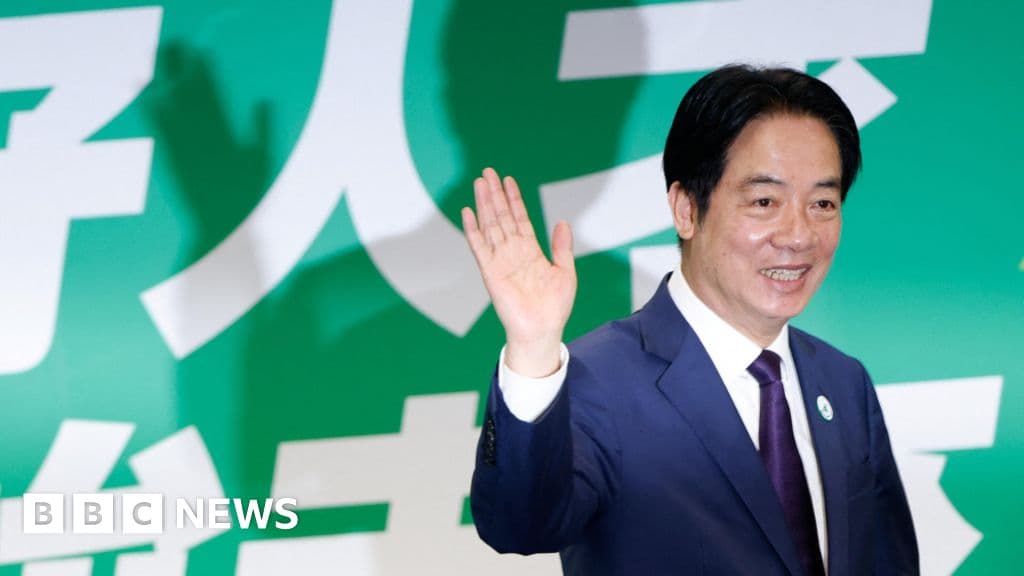
He remarked, "I'm going to say I have to speak to the person that right now is… you know who he is, that's running Taiwan." This statement reflects the informal nature of U.S.-Taiwan relations, where direct communication with Taiwan's leadership could provoke backlash from China.
Looking ahead, it will be essential to monitor: - U.S. military support for Taiwan: The implications of the impending arms package could shift the balance of power in the region. - China's military activity: Increased drills around Taiwan may indicate a more aggressive stance from Beijing. - Taiwan's domestic policy: How Taiwan navigates its identity amid these external pressures will be crucial for its future.
In summary, as Taiwan asserts its independence amid warnings from Trump, the interplay between U.S. support, Chinese opposition, and Taiwan's own policies will significantly shape the geopolitical landscape in East Asia. The next steps will be pivotal in determining not only Taiwan's status but also the broader implications for regional security and stability.

Tensions soar as the US and Iran engage in air strikes near the Strait of Hormuz, raising concerns over global oil supply and regional stability.
BBC World
Trump's international interventions face serious stalemates. What will this mean for U.S. foreign policy? Explore the critical challenges ahead.
Indian Express
Tehran denies resignation of President Masoud Pezeshkian amid claims of IRGC influence. What does this mean for Iran's political stability? Click to learn more!
Indian Express