
Image: Indian Express
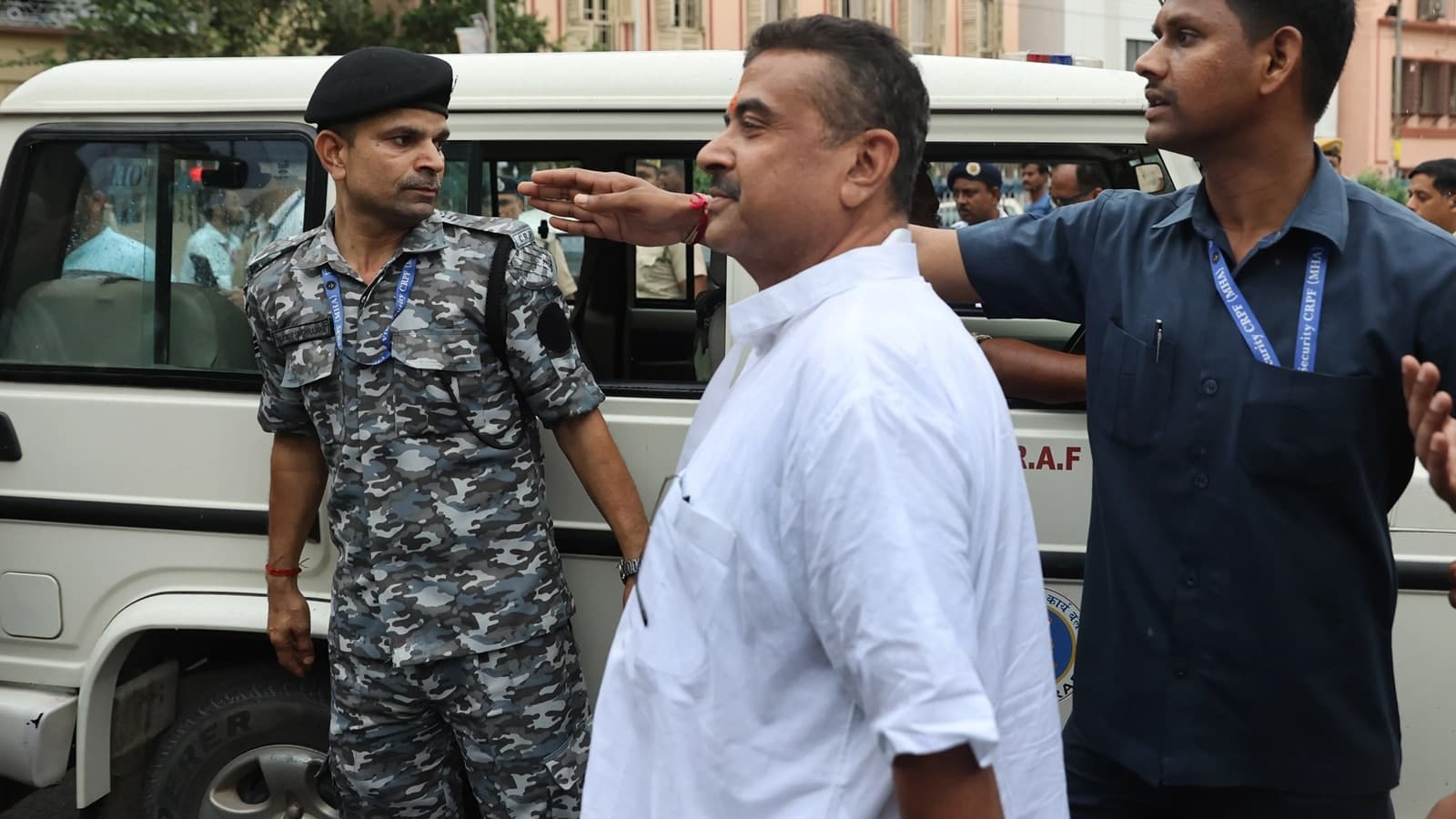
Suvendu Adhikari defeats Mamata Banerjee again, signaling a major shift in West Bengal politics. What could this mean for the future of governance in the state?
GlipzoIn a significant political showdown, Suvendu Adhikari has emerged victorious against West Bengal Chief Minister Mamata Banerjee for the second consecutive time, this time in the Bhabanipur constituency of Kolkata. This victory marks another chapter in a long-standing rivalry that began during the tumultuous Singur agitation in 2006, where the Trinamool Congress (TMC) began to rise against the ruling Left Front government. Adhikari's latest win comes five years after he defeated Banerjee in Nandigram, a region central to West Bengal's political landscape.
Adhikari, a prominent figure within the TMC before their fallout, has proven himself as a formidable political strategist. His wins not only reflect his personal political acumen but also signal a potential shift in the political dynamics of West Bengal, as the BJP continues to gain ground in the state. With his recent successes, many observers speculate that Suvendu Adhikari could be a leading contender for the Chief Minister position in the future.
Suvendu Adhikari is the son of veteran Congress leader and former TMC MP Sisir Adhikari. He grew up in a politically charged environment and demonstrated his organizational skills early on, initially engaging in student politics with the Congress party. In the early 2000s, he transitioned to the TMC, shortly after it was founded by Mamata Banerjee. The Adhikari family has been a significant player in Purba Medinipur's political landscape, with a stronghold in their hometown of Contai. Over the years, they have consistently secured seats in both the Lok Sabha and the Vidhan Sabha, establishing a robust base for the TMC in the region.
The family's influence was instrumental in the TMC's rise, particularly during the Nandigram protests, where Suvendu Adhikari played a pivotal role in mobilizing local resistance against the Left's stronghold. His strategic capabilities helped to transform the TMC into a formidable opposition force, significantly weakening the CPI(M), especially against their leader Lakhsman Seth.
Having entered the West Bengal Assembly in 2006, Suvendu quickly rose through the ranks, defeating Lakhsman Seth in the Tamluk Lok Sabha seat in both 2009 and 2014. His political journey continued as he transitioned from Parliament to become a minister in Mamata Banerjee's second administration in 2016. His close association with the Chief Minister allowed him to extend his influence, particularly in the southern regions of Bengal, including critical areas like Haldia.
However, the dynamics within the TMC began to shift when Mamata Banerjee appointed her nephew, Abhishek Banerjee, as her deputy, a role Suvendu had held by default. This move triggered a rift between the two, ultimately leading to Suvendu's departure from the TMC in 2021 to join the BJP. He became vocal against the TMC leadership, coining the phrase “tolabaj bhaipo hatao” (kick out the extortionist nephew) to rally public support, further alienating himself from his former allies.
Suvendu Adhikari's recent electoral victory in Bhabanipur is not just a personal triumph but a part of a larger narrative surrounding West Bengal's political landscape. His ability to defeat Mamata Banerjee on her home turf is a clear indication of changing sentiments among the electorate. It underscores a growing discontent with the ruling party and suggests that the BJP's strategies may be resonating more with voters than previously thought.
The implications of this victory extend beyond Adhikari himself; they signify a potential realignment of political loyalties and power structures in West Bengal. The political battleground is shifting, and with two significant victories against a sitting Chief Minister, Suvendu Adhikari is poised to play a crucial role in the state's future.
As the political landscape evolves, the implications for Mamata Banerjee and the TMC could be profound. With the BJP gaining momentum, the TMC will need to reassess its strategies to maintain its influence in West Bengal. The future of Suvendu Adhikari is equally intriguing; he stands as a potential leader with the capacity to reshape Bengal's political narrative.
In the coming months, all eyes will be on how Mamata Banerjee responds to these electoral setbacks and whether the TMC can reclaim its lost ground. Additionally, the dynamics of the BJP under Suvendu's leadership will be closely monitored, especially as the next elections approach. The ongoing rivalry between Adhikari and Banerjee promises to remain a focal point in the political discourse of West Bengal.

Tensions soar as the US and Iran engage in air strikes near the Strait of Hormuz, raising concerns over global oil supply and regional stability.
BBC World
Trump's international interventions face serious stalemates. What will this mean for U.S. foreign policy? Explore the critical challenges ahead.
Indian Express
Tehran denies resignation of President Masoud Pezeshkian amid claims of IRGC influence. What does this mean for Iran's political stability? Click to learn more!
Indian Express