
Image: BBC World
Iran faces a shocking surge in political executions, with over 32 prisoners executed since February. Discover the alarming implications of this trend.
GlipzoThe chilling words of Mehrab Abdollahzadeh, currently on death row in Oromiyeh Central Prison, resonate with urgency and despair. In a voice note intercepted by the Kurdistan Human Rights Network, he states, "You are hearing my voice from Oromiyeh Central Prison, and this may be the last time you hear it." His message is a harrowing reflection of the grim reality faced by political prisoners in Iran, particularly amidst an alarming increase in executions linked to political dissent.
Arrested in 2022 during the widespread protests ignited by the death of Mahsa Amini, who died in police custody after being detained for not wearing her hijab correctly, Mehrab Abdollahzadeh claims he was coerced into making false confessions under torture. Despite his assertions of innocence, he was executed earlier this month, contributing to a disturbing trend of political executions in the country.
The surge in executions has been notably sharp since the U.S. and Israel launched military actions against Iran on February 28. According to the UN, at least 32 political prisoners have been executed since this escalation, marking a significant rise compared to previous years. In 2025 alone, Amnesty International reports that 45 executions on political grounds occurred, a stark increase from prior rates.
The UN Human Rights Office has cautioned that the Iranian regime is increasingly resorting to the death penalty as a means to suppress political dissent. Many of those executed this year faced accusations of espionage for foreign entities, such as the CIA or Israel, while others were linked to an exiled opposition group. Additionally, several executions involved individuals arrested during the January protests, which ended violently, resulting in thousands of fatalities.
According to Nassim Papayianni from Amnesty International, the Iranian authorities have turned the death penalty into a tool for instilling fear and repressing dissent, stating, "They weaponize the death penalty as a tool of political repression, to instil fear among the population." This chilling strategy has led to a near-daily occurrence of execution announcements, creating an atmosphere of terror across the nation.
While some executions are publicized, there are growing concerns that many occur covertly. The figures are staggering; Iran executed 2,159 individuals in 2022, the highest recorded since 1989, with a substantial portion attributed to drug-related crimes. The UN is apprehensive that the current year may witness an even higher tally of executions, signaling a troubling trend.
The Iranian government appears to be leveraging these executions to reassert its authority amid various internal and external challenges. Kaveh Kermanshahi of the Kurdistan Human Rights Network notes that as the regime confronts multiple crises, it intensifies its repressive measures to project strength and control, sending a clear message: "I am still here, and I still control the situation."
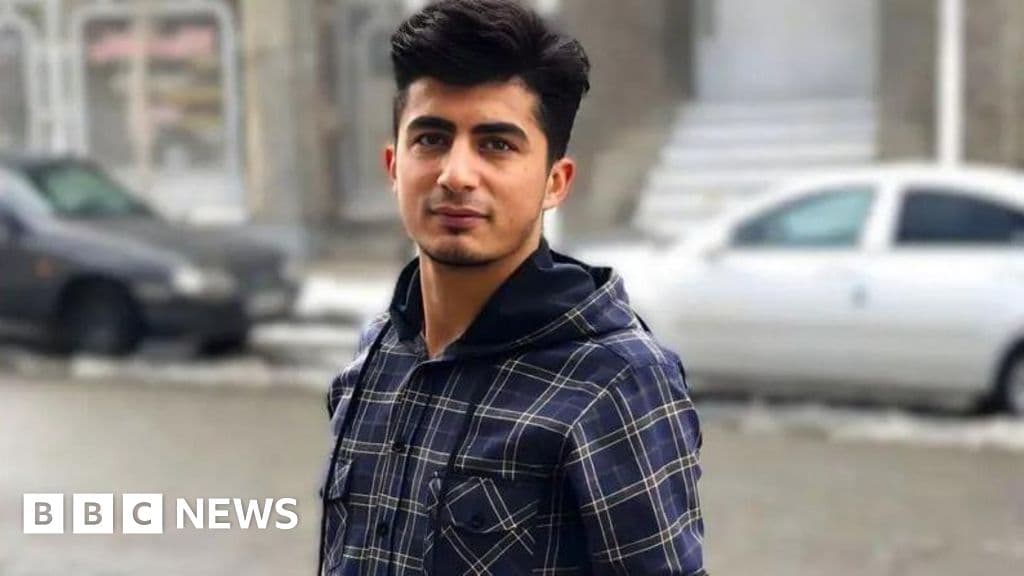
One particularly shocking case is that of Sasan Azadvar, a 21-year-old karate champion executed for alleged involvement in the January protests. Despite being convicted of “moharabeh” or “waging war against God,” he was not charged with any lethal offense, raising serious issues regarding the legality of the death penalty under international law.
Despite mounting international scrutiny over Iran's use of the death penalty, government officials have largely remained silent. On April 30, Gholamhossein Mohseni Ejei, head of Iran's judiciary, dismissed global condemnation regarding the death sentences tied to the January protests. This lack of accountability raises questions about the regime's commitment to basic human rights and its willingness to adhere to international legal standards.
The situation in Iran is dire, with the government’s aggressive stance towards dissenters leading to widespread fears for the lives of political prisoners.
The ongoing surge in political executions in Iran is not only a humanitarian crisis but also a critical issue of international concern. The regime's actions signal a dangerous precedent where dissent is met with lethal force, undermining any semblance of political freedom or civil rights within the nation. The international community must take these developments seriously and push for accountability and reform in Iran's human rights practices.
As the situation unfolds, it is essential to monitor Iran's response to both internal dissent and external pressure regarding human rights. The potential for further escalations in violence and repression remains high, particularly as the regime seeks to maintain control in the face of growing unrest. Activists and human rights organizations will likely continue to advocate for the rights of those unjustly imprisoned and call for global action against the Iranian government’s troubling practices. It remains to be seen how the international community will respond and whether any significant changes will occur in Iran’s human rights landscape in the coming months.

Tensions soar as the US and Iran engage in air strikes near the Strait of Hormuz, raising concerns over global oil supply and regional stability.
BBC World
Trump's international interventions face serious stalemates. What will this mean for U.S. foreign policy? Explore the critical challenges ahead.
Indian Express
Tehran denies resignation of President Masoud Pezeshkian amid claims of IRGC influence. What does this mean for Iran's political stability? Click to learn more!
Indian Express