
Image: Indian Express
The Supreme Court orders a Rs 164.91 crore refund to Reliance and criticizes India’s delay-riddled justice system, echoing Dickens’ Bleak House.
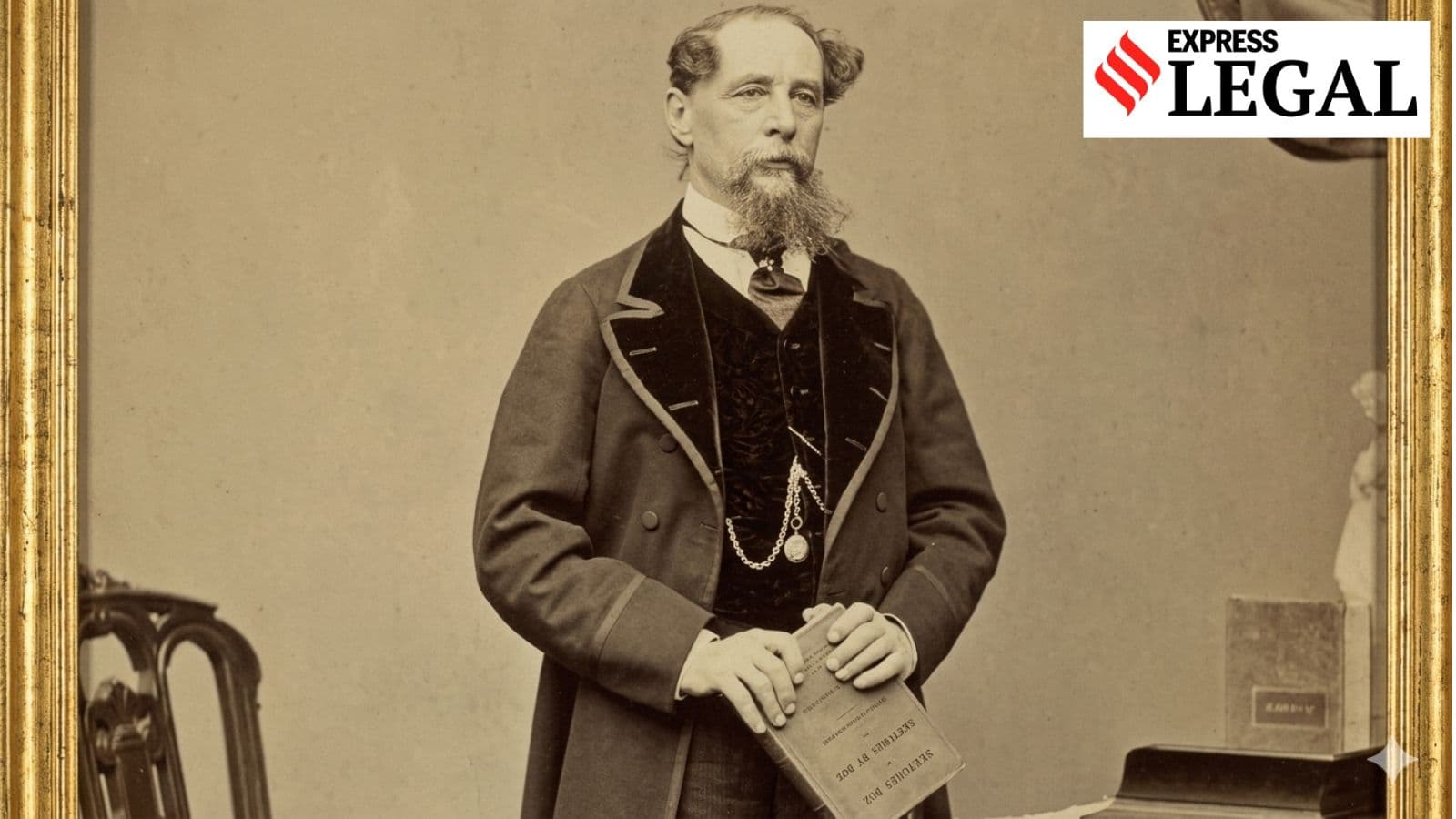
GlipzoIn a striking critique of the delays plaguing the Indian justice system, the Supreme Court of India has emphasized the necessity for more efficient resolution of disputes. The court likened the current state of affairs to Charles Dickens' novel, "Bleak House," specifically referencing the infamous case of Jarndyce vs. Jarndyce, which symbolizes protracted legal battles that often lead to spiraling costs and frustration for ordinary citizens. This commentary came during a hearing on April 29, 2023, when a bench comprising Justice J K Maheshwari and Justice Atul S Chandurkar addressed an appeal regarding a commercial recovery suit involving Reliance Eminent Trading and the Delhi Development Authority (DDA).
The Supreme Court's remarks underline a significant issue in India: the justice delivery system is often criticized for its delays, which can undermine public confidence in its fairness and effectiveness. The justices highlighted that many individuals feel overwhelmed by the costs and lengthy processes associated with civil disputes. They noted that the delays mirror the literary woes faced by the characters in Dickens’ narrative, where the quest for justice becomes a never-ending ordeal.
The legal tussle dates back to March 21, 2007, when the DDA announced the auction of commercial plots, which included a prime piece of land in Jasola, New Delhi. Reliance Eminent Trading emerged victorious on March 23, 2007, with a bid of Rs 164.91 crore and subsequently deposited the required earnest money. By July 12, 2007, the company had paid the full consideration, along with necessary stamp duty and transfer charges. A conveyance deed was executed on February 6, 2008, officially transferring ownership of the plot.
For nearly a decade, it seemed that the transaction had been finalized without issues. However, the situation changed dramatically in 2016 when the Delhi High Court ruled that the land acquisition had lapsed. This decision stemmed from the DDA's failure to compensate the original landowners under the Right to Fair Compensation and Transparency in Land Acquisition, Rehabilitation and Resettlement Act, 2013.
Following the High Court's ruling, Reliance sought a summary judgment under Order XIII-A of the Code of Civil Procedure, contending that the matter involved established facts that did not necessitate a trial. However, the High Court rejected this plea in June 2025, asserting that issues surrounding the possession of the land were contentious and required oral evidence.
The Supreme Court, however, overturned this decision, asserting that the DDA's defense was without substantial legal grounds and did not justify a full trial. The apex court dismissed the DDA’s claim that a refund was contingent upon the return of possession, stating that once the acquisition lapsed, the DDA had no remaining rights over the land, and the title reverted to the original owners. The judgment clarified that possession was irrelevant to the issue of the refund claim.
In its ruling, the Supreme Court addressed several critical points: - Error in Triable Issue Identification: The High Court was wrong in suggesting there was a triable issue concerning the possession of the land. - Time-Bar Plea Dismissed: The DDA's argument that the suit was time-barred was rejected. The Supreme Court determined that the cause of action emerged after the expiration of a six-month period in November 2017, making the subsequent 2020 suit timely. - Call for Modernization of Litigation Framework: The court stressed the need for modernization within India’s litigation framework, arguing that traditional trials are not always essential. Instead, summary judgment is a viable option for resolving disputes more efficiently and effectively.
The Supreme Court emphasized that accessibility to justice should not only focus on fairness but also on affordability, timeliness, and proportionality. They outlined key principles that govern summary judgments in commercial disputes: - Courts should evaluate whether there is a real chance of success for a claim or defense, rather than relying on speculative arguments. - Avoiding “mini-trials” at this stage is crucial to maintain efficiency in the judicial process.
The Supreme Court's decision is a significant moment for the Indian legal system, shining a spotlight on the urgent need for reform. With this ruling, the court has reaffirmed its commitment to ensuring that justice is not only served but is done so in a timely manner, reflecting the needs of an evolving society. The implications of this judgment extend beyond this single case, as it sets a precedent for how commercial disputes may be handled in the future.
Looking ahead, stakeholders in the legal community, including lawmakers, legal practitioners, and civil rights advocates, will be keenly observing the responses to this ruling. Will this lead to a broader re-evaluation of procedural delays in the Indian justice system? How will this influence the approach toward summary judgments and the overall efficiency of legal proceedings?
The Supreme Court's call for modernization could pave the way for transformative changes in how justice is delivered, potentially reducing the burdens faced by citizens and restoring faith in the legal system.
The Supreme Court's intervention not only highlights the pressing issue of delays in justice but also underscores a crucial turning point for the Indian judicial landscape. As we await further developments, it will be essential to monitor how this ruling shapes the future of legal processes in India and whether it inspires a shift towards a more streamlined, efficient justice delivery system.

Tensions soar as the US and Iran engage in air strikes near the Strait of Hormuz, raising concerns over global oil supply and regional stability.
BBC World
Trump's international interventions face serious stalemates. What will this mean for U.S. foreign policy? Explore the critical challenges ahead.
Indian Express
Tehran denies resignation of President Masoud Pezeshkian amid claims of IRGC influence. What does this mean for Iran's political stability? Click to learn more!
Indian Express