

Image: Times of India
Sunil Gavaskar defends his appearance on a Pakistani show amid criticism, emphasizing sports as a bridge for dialogue. Discover the implications for Indo-Pak relations.
GlipzoSunil Gavaskar, the legendary Indian cricketer, has found himself at the center of a heated controversy following his appearance on a popular Pakistani television show. The cricket icon, known for his sharp insights and contributions to the sport, has faced backlash for engaging in a media platform across the border. This incident has reignited discussions about cultural exchange and sports diplomacy between India and Pakistan, two nations with a complicated history.
Gavaskar's participation was met with mixed reactions, with many fans expressing disappointment, while others applauded his willingness to foster dialogue through sports. In a recent statement, Gavaskar clarified his stance, stating, "I did not ask for anyone's permission to speak. I believe in the power of dialogue and the unifying spirit of sports." This response highlights his commitment to using cricket as a bridge rather than a barrier.
The relationship between India and Pakistan has often been tumultuous, with cricket serving as a significant touchpoint for both nations. Historically, matches between the two countries attract massive viewership and fanfare, but off the field, the political climate can complicate interactions.
Gavaskar's appearance on the Pakistani show is particularly noteworthy for the following reasons: - Cultural Exchange: Sports can serve as a medium for fostering understanding and camaraderie across borders. - Public Perception: How athletes engage with media from rival nations can influence public sentiment and perceptions of diplomacy. - Personal Responsibility: Athletes often face scrutiny over their actions, especially when those actions cross political lines.
Gavaskar's firm stance reflects a belief that sports should transcend politics, a notion that resonates with many who view cricket as a unifying force in South Asia.
The cricketing community has been vocal in response to Gavaskar's controversial appearance. While some have criticized him, others have praised the move as a step towards normalizing relations through friendly interactions. Former cricketer Harbhajan Singh expressed his support for Gavaskar, emphasizing that dialogue is essential for peace.
Conversely, several fans took to social media to voice their disapproval, accusing him of undermining national pride. This divide highlights the broader societal tensions regarding cricket and its place in the political landscape of India and Pakistan. In a sport that inspires passion and loyalty, athletes often find themselves navigating a complex web of expectations from fans and nationalistic sentiments.
Gavaskar's actions raise critical questions about the role of athletes in political discourse. As public figures, athletes wield significant influence and are often seen as representatives of their nations. In this context, their decisions can either contribute to healing or exacerbate existing tensions.
The broader implications of this incident extend beyond Gavaskar himself. As sports continue to act as a platform for dialogue, the following points emerge: - Responsibility of Public Figures: Athletes must consider the impact of their engagements, especially in politically sensitive environments. - Media's Role: How media outlets frame these interactions can shape public perception and dialogue. - Future Engagements: Gavaskar's appearance may pave the way for more athletes to engage in cross-border dialogues, potentially leading to improved relations.
As discussions around Gavaskar's appearance continue, the future of cricket relations between India and Pakistan remains uncertain. Nevertheless, the potential for positive engagement through sports cannot be overlooked. The cricketing community, along with fans, will be watching closely to see how this incident shapes future interactions.
In the coming months, it will be crucial to observe: - Future Collaborations: Will other Indian athletes follow Gavaskar's lead in engaging with Pakistani media? - Public Sentiment: How will fans react to athletes who choose to engage with rivals? - Political Climate: The evolving political situation between the two nations may influence sports diplomacy efforts.
Ultimately, Sunil Gavaskar's choice to participate in a Pakistani show serves as a reminder of sports' potential to bring people together, even amidst adversity. As the landscape of cricket and politics intertwines, it remains to be seen how this narrative will unfold, but one thing is clear: the dialogue must continue for a brighter, more unified future in sports.
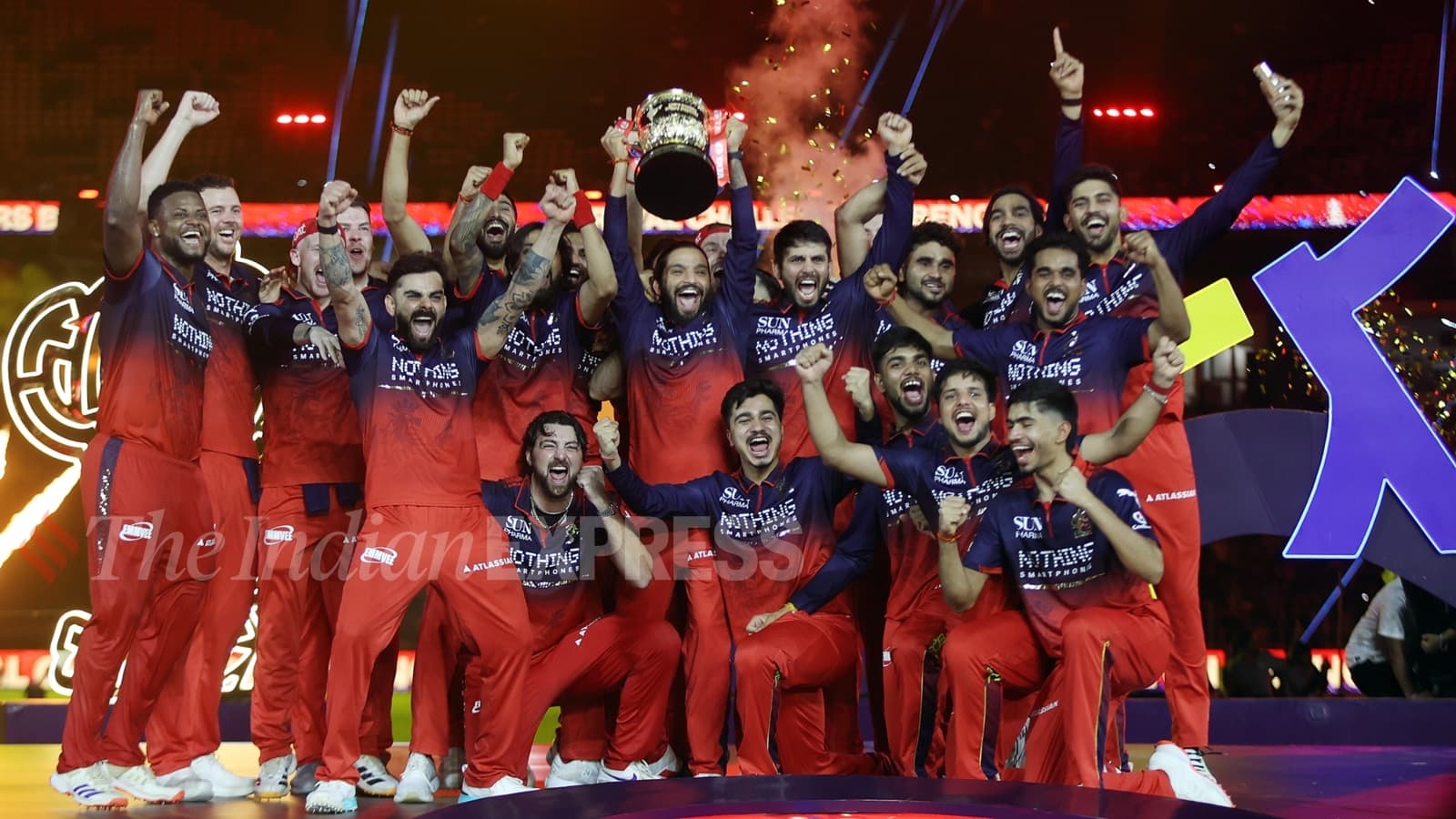
Rajat Patidar leads RCB to back-to-back IPL titles! Discover his leadership insights and goals for a historic third title in the upcoming season.
Indian Express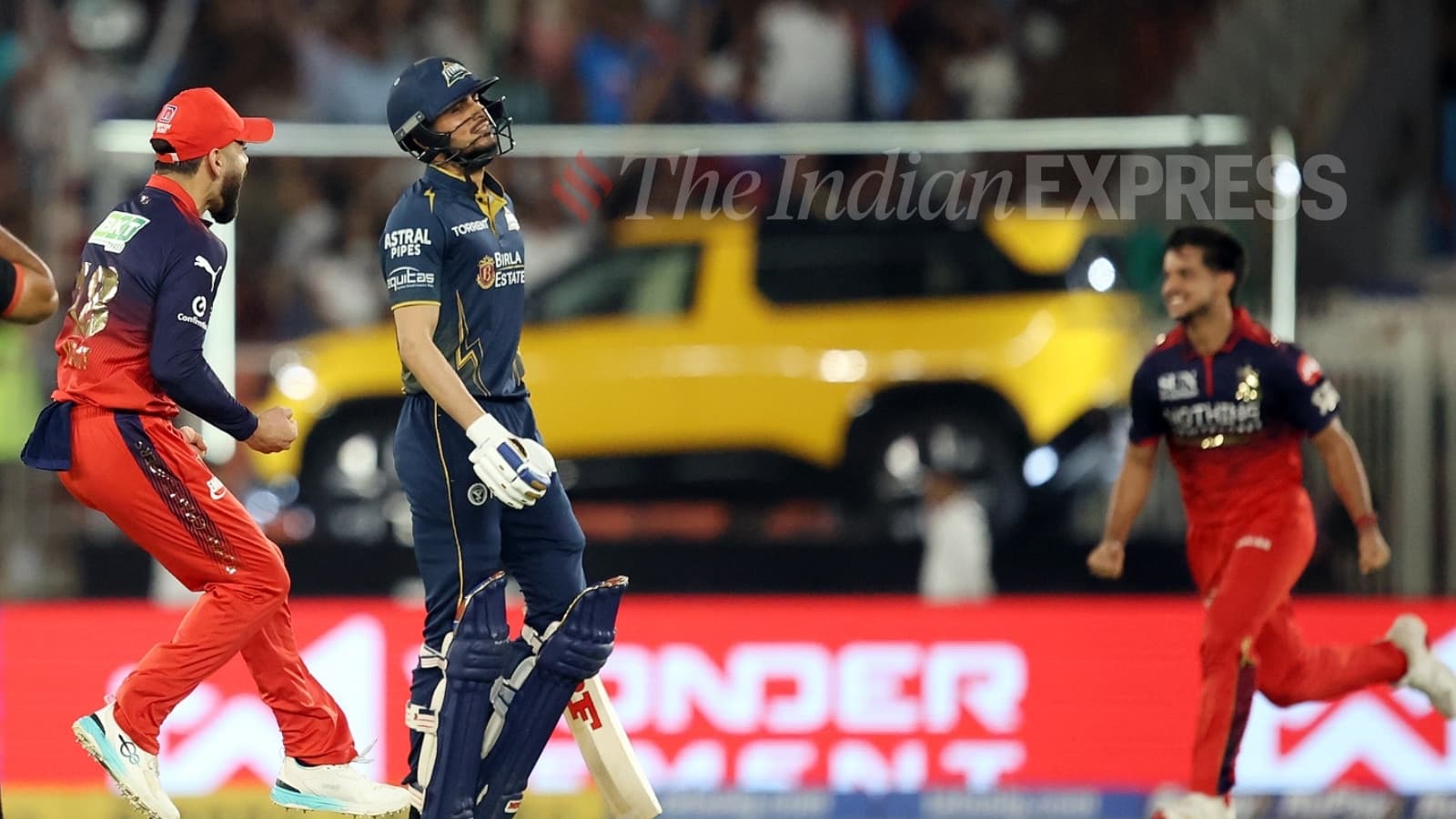
Gujarat Titans' Vikram Solanki reflects on their IPL 2026 final loss, acknowledging shortcomings and praising RCB's performance. What’s next for GT?
Indian Express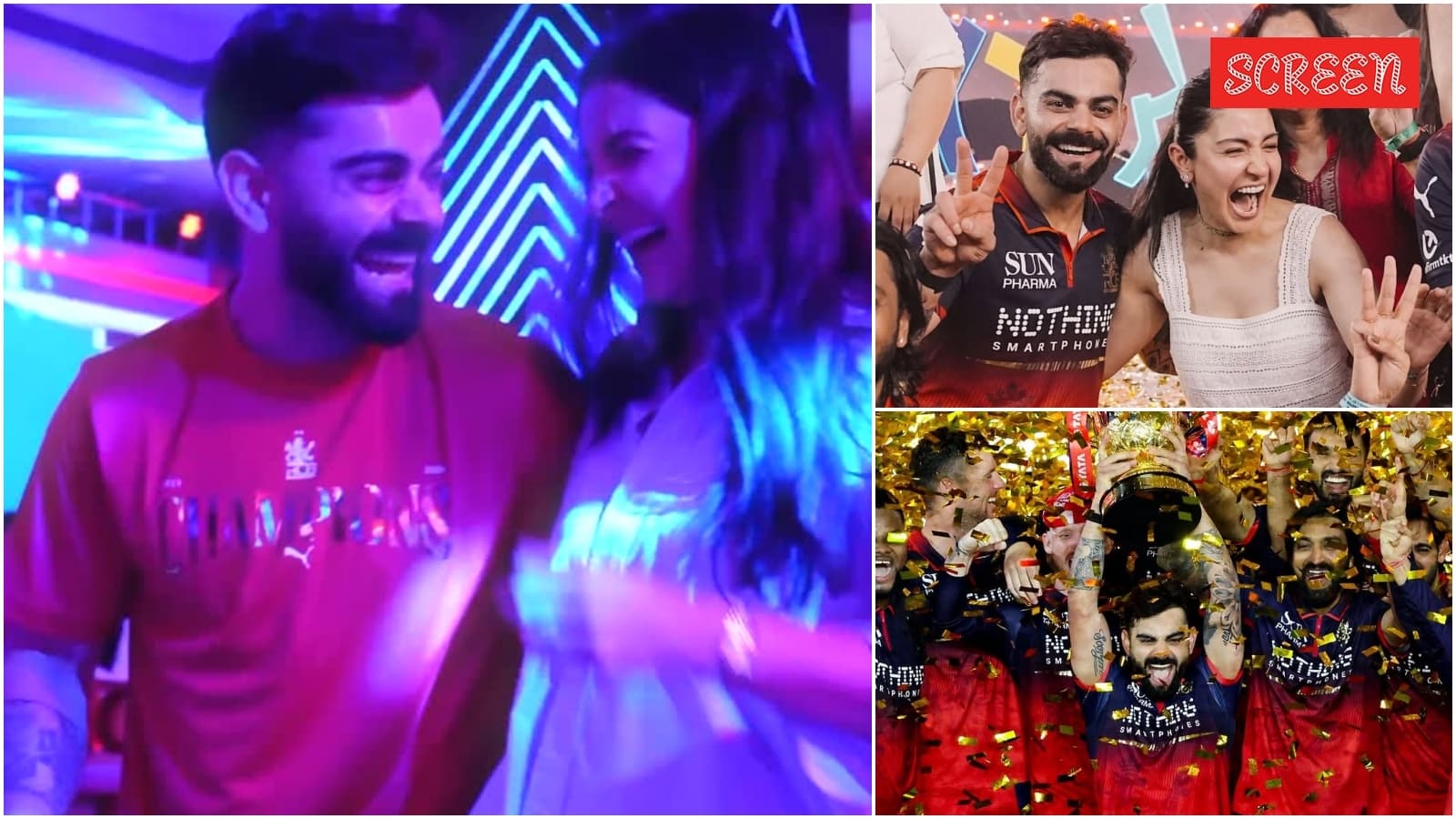
Virat Kohli and Anushka Sharma celebrate RCB's IPL 2026 victory with joy and emotion. Discover the highlights of this unforgettable night!
Indian Express