
Image: BBC World
South Africa deploys 2,200 soldiers to combat gang violence and illicit mining as crime rates soar. Will military intervention lead to lasting solutions?
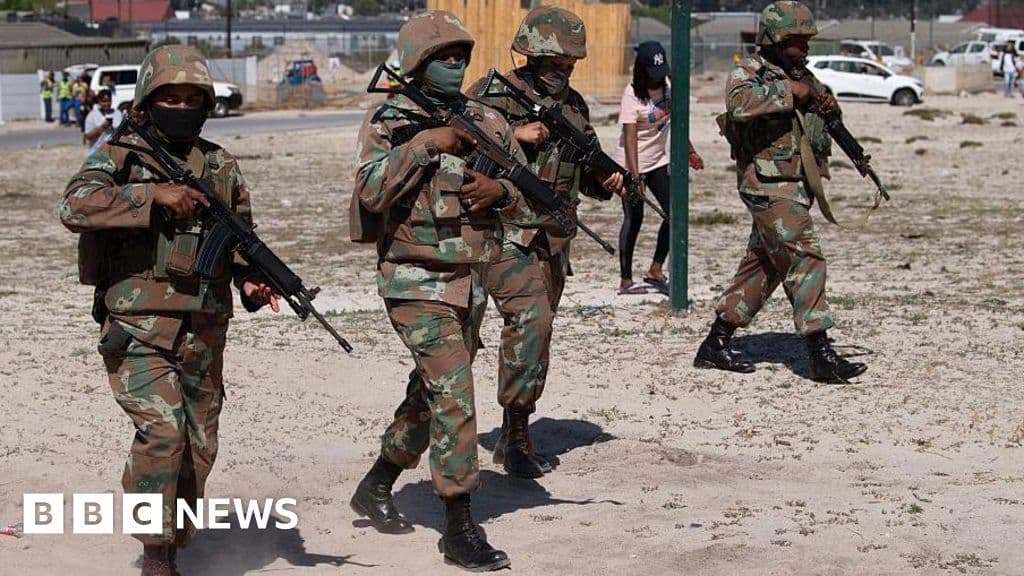
GlipzoIn a significant move to combat escalating gang violence and illicit mining activities, South Africa has deployed its military to various regions affected by rampant crime. Announced by President Cyril Ramaphosa earlier in the year, this initiative sends 2,200 soldiers to five of the nation’s nine provinces, focusing on areas that have been severely impacted by criminal activities.
This deployment, planned to last for one year, aims to restore order in neighborhoods plagued by violence. However, some critics argue that involving the military in civilian law enforcement is often ineffective in delivering sustainable results.
South Africa is grappling with one of the highest murder rates in the world, with recent statistics revealing that an alarming 71 people are killed each day. The urgency of the situation prompted the government to act swiftly, deploying soldiers to regions like Gauteng province, which includes Johannesburg, before extending operations to the Eastern Cape, Free State, North West, and Western Cape.
An initial wave of soldiers arrived in Gauteng back in March, with the main contingent set to launch operations on April 1. Residents of Eldorado Park, a suburb in Johannesburg known for its high levels of gang activity, have mixed feelings about the military presence. While some see it as a potential lifeline, others remain skeptical about its effectiveness in addressing the root causes of violence.
In interviews conducted by the BBC, residents expressed a range of opinions regarding the military’s role in their community. Leola Davies, a 74-year-old resident, described Eldorado Park as a “hell-hole” and expressed her fear of becoming a victim of violence. She stated, “Sodom and Gomorra have nothing on this place. I stay indoors all day because I just don't want to be the next victim. Things are getting worse.”
Conversely, Elviena le Roux, a mother of three, voiced her concerns, suggesting that the military presence might exacerbate violence rather than alleviate it. “It will only make the violence worse,” she claimed, reflecting a broader sentiment of distrust among some residents.
Ronald Rabie, a 56-year-old father, acknowledged that the army’s presence does create a sense of safety, but he emphasized the need for a permanent solution: “Once they leave, things return to chaos – they need to be here permanently.”
This deployment marks a continuation of a controversial strategy, as this is not the first time President Ramaphosa has called upon the military to address the country’s crime crisis. In 2023, more than 3,000 soldiers were deployed for six months to tackle illegal mining. Additionally, during the unrest following the arrest of former President Jacob Zuma in July 2021, the army was mobilized to restore order amid violent riots.
Under South African law, the military's role in civilian policing is limited, allowing soldiers to arrest civilians only in exceptional circumstances, after which they must promptly hand over suspects to the police. This legal framework raises questions about the army's effectiveness in community-based policing, which is essential for building public trust.
Security experts have raised concerns about the military's ability to handle domestic policing issues. According to criminologist Guy Lamb, soldiers are primarily trained for combat, not community engagement. He warned, “There's danger that they will escalate situations or respond very aggressively in... tense situations.” He cited the army’s conduct during the Covid-19 pandemic, when reports emerged about soldiers using excessive force to enforce restrictions, as a troubling precedent.
Despite some officials expressing optimism about the military's potential impact, experts like Lamb remain cautious. He emphasized that without a comprehensive strategy addressing the underlying reasons for violent crime, the situation is likely to deteriorate once the military departs.
As the military begins its operations across various provinces, the focus will be on maintaining public safety and reducing crime rates. However, the skepticism expressed by community members and experts suggests that this approach may only yield temporary relief.
Moving forward, it will be crucial for the South African government to develop a sustainable plan that goes beyond military intervention. Addressing the root causes of crime, including socioeconomic factors and community engagement, will be essential to ensure long-term safety and stability.
In the coming months, observers will be watching closely to see how the military's presence influences crime rates and community dynamics. Will it provide the much-needed respite for residents, or will the underlying issues of violence and fear persist? The answers will shape the future of law enforcement in South Africa.
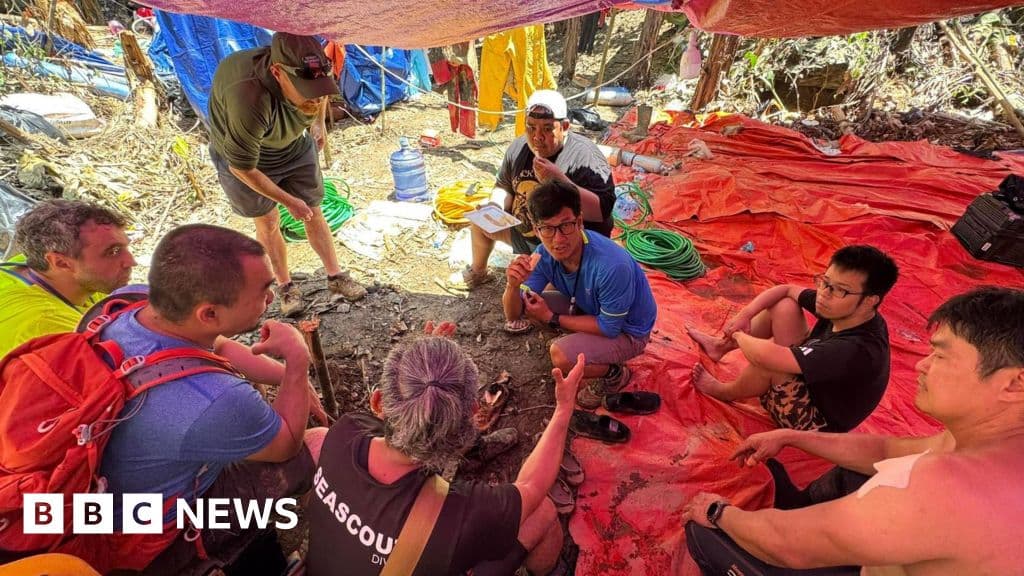
Survivors of the Laos cave rescue are aiding efforts to find the last two missing men trapped inside, sharing crucial insights for the search operation.
BBC World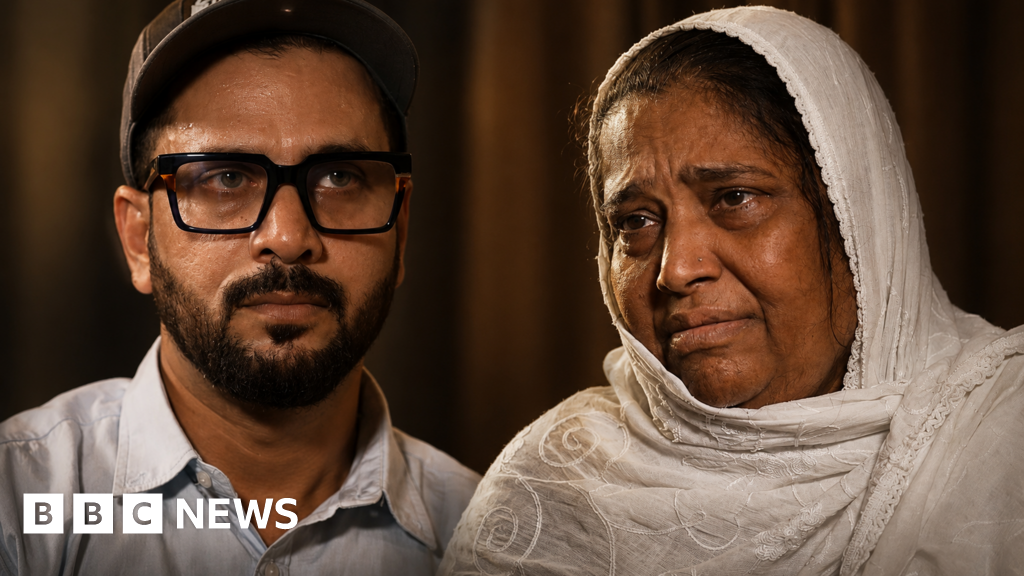
A year after the tragic Air India crash, the Ali family reflects on grief, unanswered questions, and the enduring bonds of love in the face of loss.
BBC Business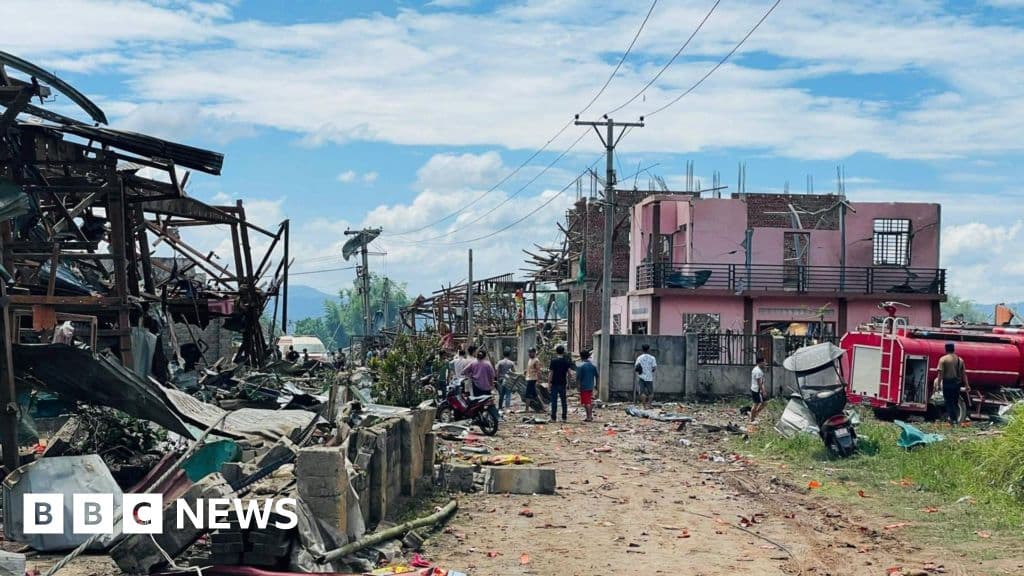
A devastating explosion in Myanmar's Kaung Tat village has killed at least 55 people, raising serious safety concerns and questions about civilian protection in conflict zones.
BBC World