
Image: BBC World
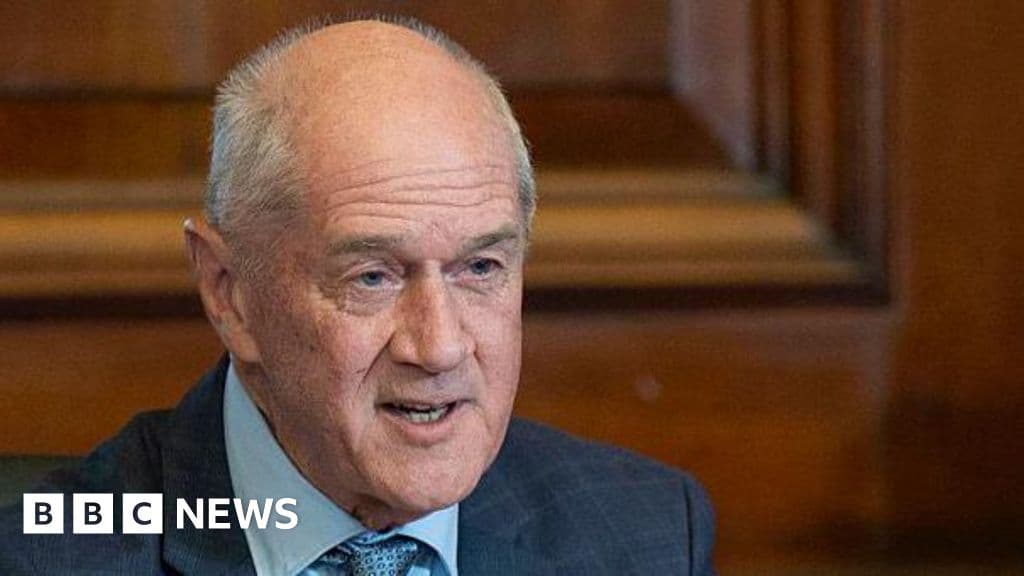
South Africa's President Ramaphosa names Roelf Meyer, an apartheid-era politician, as ambassador to the US, stirring mixed reactions across the nation.
GlipzoIn a surprising move, South African President Cyril Ramaphosa has appointed Roelf Meyer, a notable figure from the apartheid era, as the country's new ambassador to the United States. This decision has sparked considerable debate within South Africa and abroad, particularly given the historical context surrounding both Meyer and the nation’s diplomatic relations.
Meyer’s appointment comes at a critical time for South Africa, which has been without a top envoy in the US since Ebrahim Rasool was expelled last year after making incendiary remarks regarding former President Donald Trump. Rasool's departure exacerbated an already tense relationship between the two nations. With Meyer stepping in, many are questioning what this means for South Africa's diplomatic future.
Roelf Meyer, now 78 years old, played a pivotal role in dismantling apartheid during the 1990s. He was a chief mediator in the negotiations that led to the end of the oppressive system of white-minority rule. Alongside Ramaphosa, who represented the African National Congress (ANC), Meyer was instrumental in shaping a new South Africa.
Meyer’s connection to apartheid is undeniable; he was the chief negotiator for the National Party, which enforced the apartheid regime. However, he has since been viewed as a reformist, shifting his political allegiance over the years. After serving in the last apartheid government, he joined the government of national unity established in 1994 when Nelson Mandela became president. Despite his controversial past, his later alignment with the ANC and co-founding the United Democratic Movement reflects his evolving political stance.
The reaction to Meyer’s appointment has been mixed. Vincent Magwenya, a spokesperson for President Ramaphosa, confirmed the appointment, asserting it would take effect immediately. Some members of the ANC, including Fikile Mbalula, have welcomed Meyer, suggesting that his extensive experience could benefit South Africa's representation in Washington.
Conversely, Julius Malema and his Economic Freedom Fighters party have criticized the decision as politically insensitive, calling it a “deliberate insult” to the ongoing struggle for democracy in South Africa. These diverging opinions illustrate the complexities of South African politics and the lingering effects of apartheid in contemporary governance.
The Afrikaner community, historically tied to the apartheid regime, has expressed significant concern regarding Meyer’s appointment. Groups such as AfriForum and the Solidarity Movement have voiced their disappointment. AfriForum leader Kallie Kriel labeled Meyer an “ANC cadre,” arguing that his past suggests a willingness to shift allegiance for personal gain. Meanwhile, Jaco Kleynhans of Solidarity noted that Meyer’s age might undermine confidence among Afrikaners, who are wary of the potential ramifications of his diplomatic role.
Interestingly, Meyer himself has previously acknowledged his age as a potential liability. In past interviews, he expressed doubt about his ability to fulfill the demanding role of ambassador, highlighting the need for youthful energy to effectively navigate the complexities of Washington, D.C.
Meyer’s appointment could signal a new chapter in South Africa's foreign relations, particularly with the United States. The tensions stemming from previous diplomatic incidents, including Trump’s controversial remarks about Afrikaners facing persecution, have created a challenging backdrop for any ambassador.
President Ramaphosa defended Meyer’s selection, emphasizing that he is well-versed in South African policies and capable of representing the nation effectively. Analysts suggest that Meyer's deep understanding of the historical context and current challenges could provide a unique perspective in Washington, potentially easing strained ties.
As Roelf Meyer steps into his role as ambassador, all eyes will be on how he navigates the complex landscape of US-South Africa relations. Key areas to monitor include:
The appointment of Roelf Meyer as ambassador is not just a political maneuver; it reflects the ongoing struggle of South Africa to reconcile its past while navigating a complex present. As the nation moves forward, the implications of this choice will reverberate through both domestic and international spheres, shaping the dialogue around race, governance, and diplomacy in South Africa.
Meyer’s role as ambassador will play a crucial part in redefining South Africa’s image on the international stage. The discussions and policies he advocates could influence not only bilateral relations with the US but also broader perceptions of South Africa in the global arena. The future remains uncertain, and the success of this appointment could hinge on Meyer’s ability to engage effectively amidst criticism and skepticism from various factions within South Africa.

Tensions soar as the US and Iran engage in air strikes near the Strait of Hormuz, raising concerns over global oil supply and regional stability.
BBC World
Trump's international interventions face serious stalemates. What will this mean for U.S. foreign policy? Explore the critical challenges ahead.
Indian Express
Tehran denies resignation of President Masoud Pezeshkian amid claims of IRGC influence. What does this mean for Iran's political stability? Click to learn more!
Indian Express