
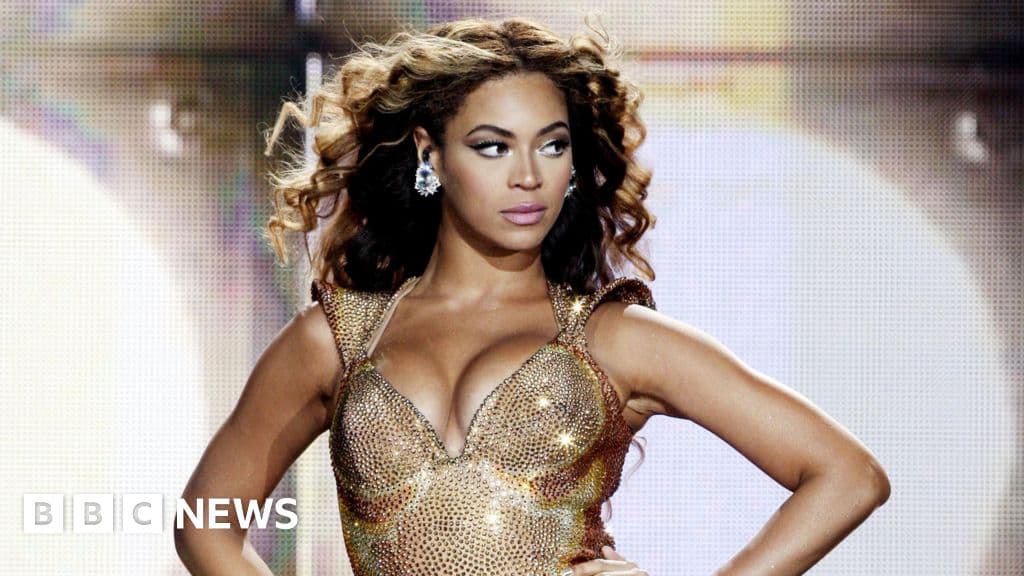
Image: BBC World
Sony Music takes action against 135,000 AI-generated deepfakes impersonating its artists. What does this mean for the future of music? Read on to find out.
GlipzoIn a significant step to protect its artists, Sony Music has requested the removal of over 135,000 tracks created by fraudsters using generative AI to impersonate its renowned musicians. This alarming surge in so-called deepfakes poses a serious threat to the integrity of the music industry and the reputation of high-profile artists like Beyoncé, Queen, and Harry Styles. The company's actions highlight growing concerns over how easily AI technology can be manipulated to create counterfeit music that misleads fans and damages legitimate artists' careers.
The misuse of AI in this context is not just a nuisance; it leads to direct commercial harm for the real artists involved. According to Dennis Kooker, president of Sony's global digital business, these deepfakes often target musicians actively promoting new albums, creating confusion and potentially undermining marketing efforts. "In the worst cases, they damage a release campaign or tarnish the reputation of an artist," Kooker stated.
Since March of the previous year, Sony has uncovered around 60,000 deepfake songs falsely attributed to artists within its roster. The rise in such counterfeits is fueled by the increasing accessibility and affordability of AI technology. Sony estimates that the 135,000 tracks they have identified thus far may only represent a fraction of the total number uploaded to various streaming platforms.
Other major artists affected by these fraudulent representations include Bad Bunny, Miley Cyrus, and Mark Ronson. This situation underscores a larger trend in the music industry, where the emergence of AI technologies has complicated the landscape for artists and record labels alike. Kooker emphasized that these deepfakes are driven by demand, often surfacing when an artist is in the spotlight, further complicating their promotional strategies.
The revelations about deepfakes came during the launch of the Global Music Report in London, which also highlighted a 6.4% increase in recorded music revenues, reaching $31.7 billion (£23.8 billion) last year. This marks the 11th consecutive year of growth for the industry, largely attributed to the rise of streaming services that have revitalized the market after years of declining revenues due to piracy.
In this context, the UK remains the third largest music market globally, while China has recently surpassed Germany to become the fourth largest, solidifying its presence in the top ten within just a decade. Notably, Taylor Swift was recognized as the biggest artist of 2025, with her album The Life Of A Showgirl taking the crown for the most popular album worldwide.
On the same day as Sony's announcement, the UK government unveiled a report addressing the regulation of AI, a topic of critical importance for the music industry. Attendees of the Global Music Report eagerly awaited the findings, relieved to learn that the government scrapped plans to permit AI companies to use copyrighted material for training without consent. Victoria Oakley, CEO of the International Federation of the Phonographic Industry (IFPI), expressed optimism about the UK's decision to reconsider its approach to AI regulation, stating that governments are trying to balance the protection of creativity with the encouragement of innovation.
While unregulated AI poses significant challenges, the music industry also grapples with streaming fraud, commonly referred to as streaming manipulation. This practice involves fake artists uploading songs to platforms like Spotify, YouTube, and Apple Music to artificially inflate their play counts and secure royalty payments. The IFPI warns that such fraudulent activities have been greatly exacerbated by AI technologies, further depriving legitimate artists of their rightful earnings.
Industry insiders believe that as much as 10% of the content on streaming platforms may be fraudulent. Oakley has called for streaming services to adopt tools capable of identifying and flagging AI-generated music during the upload process. "The challenge of identifying and labeling AI material is absolutely the next critical challenge," she added.
The issues surrounding deepfakes and streaming fraud reflect a rapidly evolving landscape in the music industry. With the advent of AI technologies, artists and record labels must navigate a complex environment where the line between authenticity and imitation is increasingly blurred. As the industry continues to grow and adapt, stakeholders will need to collaborate on solutions to combat these challenges.
In summary, the battle against deepfakes and streaming fraud is just beginning, and the music industry must remain vigilant and proactive in protecting its artists and their work. As technology continues to evolve, so too will the strategies employed to counter these emerging threats, ensuring a vibrant and sustainable future for music creators.

Zahan Kapoor reveals an unconventional role in his upcoming film, signaling a significant shift from his breakout success in Black Warrant. What’s next for this rising star?
Bollywood Hungama
Discover how Vishal Jethwa is transforming his physique for Shakti Shalini, emphasizing the mental discipline behind peak fitness.
Bollywood Hungama
Discover the dark truths of urban development in Kammatipaadam, a film that reveals the often-overlooked sacrifices behind city growth.
Indian Express