Glipzo
WorldTechnologyBusinessSportsEntertainmentScienceHealthPolitics
Glipzo
WorldTechnologyBusinessSportsEntertainmentScienceHealthPolitics
  1. Home
  2. /
  3. World
  4. /
  5. Shroud of Turin Trending: Shocking Claims of Indian Connection
Shroud of Turin Trending: Shocking Claims of Indian Connection

Image: Mint (Business)

World
Wednesday, April 1, 20265 min read

Shroud of Turin Trending: Shocking Claims of Indian Connection

Discover why the Shroud of Turin is trending! A new study suggests its ties to Indian genetics. What could this mean for history and religion?

Glipzo News Desk|Source: Mint (Business)
Share
Glipzo

Key Highlights

  • New study claims 40% of Shroud's DNA links to Indian bloodlines.
  • Could the Shroud of Turin reshape our understanding of Jesus's burial?
  • Social media buzzes with mixed reactions to Indian connection claims.
  • The Shroud's complex history raises questions about ancient trade routes.

In this article

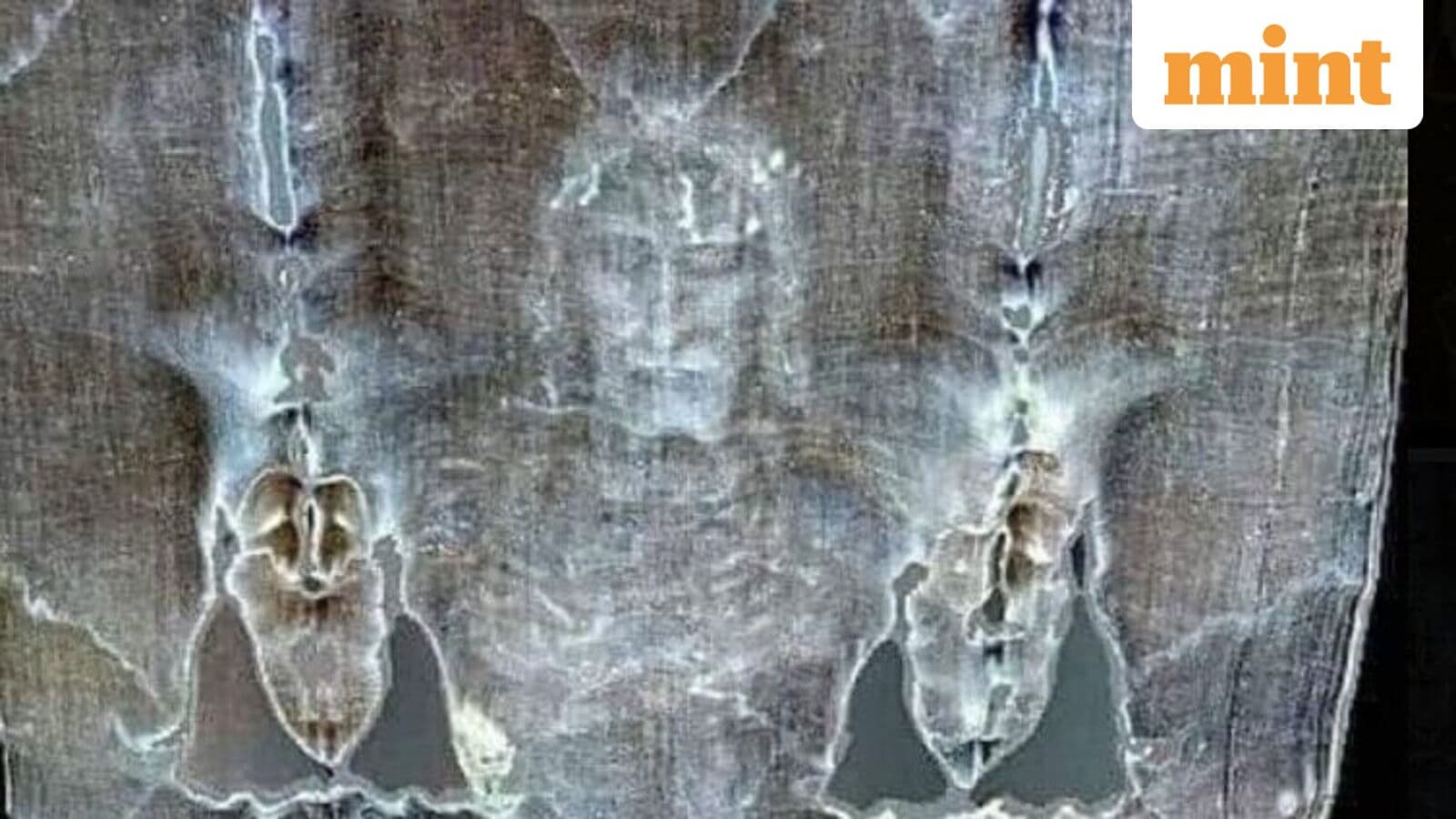
  • What’s Behind the Buzz Around the Shroud of Turin? The **Shroud of Turin** has taken social media by storm due to a provocative study suggesting that the cloth believed to have wrapped Jesus Christ after his crucifixion might have ties to **Indian genetics**. This research, which is pending peer review, was published in the journal **Bioarxiv** and posits that nearly **40% of the DNA** detected on the shroud points back to Indian bloodlines. If validated, these findings could reshape our understanding of one of Christianity's most revered artifacts.
  • The Study’s Findings: A Closer Look at the DNA Analysis The research team, led by **Professor Gianni Barcaccia** at the **University of Padova**, aimed to uncover the shroud's true origins. Their analysis detected a mix of medieval and contemporary DNA, challenging the notion that the visage imprinted on the cloth belonged to Christ himself. The authors concluded, “The DNA traces found on the Shroud of Turin suggest the potentially extensive exposure of the cloth in the Mediterranean region and the possibility that the yarn was produced in India.”
  • Social Media Reactions: A Mixed Bag of Skepticism and Curiosity The implications of this study have ignited fervent discussions across social media platforms. Reactions have ranged from skepticism to intrigue, with users weighing in on the potential historical impact of the findings. Some notable comments include: - “India doesn't exist at that time, and the shroud of Turin is burial cloth of Jesus; the cloth fiber is linen most probably originated from Harappa, which is today located in Pakistan.” - “Now Akhand Bharat will expand all the way to Italy.” - “Was Jesus an Indian? It also makes sense that Israel and India have the longest historical relationship.” - “So the shroud isn’t Jesus just like true Christians said according to scripture. Jesus isn’t or wasn’t Indian nor did he spend time in India.”
  • The Shroud’s Historical Context: Why It Matters The **Shroud of Turin** is not just a piece of cloth; it holds immense significance in Christian tradition. First documented in **France in 1354**, the shroud has long been venerated by believers as the burial cloth of Jesus Christ. Its authenticity and origin have been subjects of heated discussions for centuries, making recent claims about its ties to India particularly noteworthy.
  • Why It Matters This latest study not only fuels ongoing debates about the shroud’s authenticity but also invites further exploration into the historical interactions between different cultures. The potential Indian connection could lead to a re-examination of how ancient trade routes and cultural exchanges shaped the religious landscape.
  • What’s Next for the Shroud of Turin? As the study awaits peer review, the academic community and the public alike will be watching closely for any further developments. Should the findings be validated, it could spark renewed interest in the artifacts and history surrounding the shroud, leading to more research and discoveries.

What’s Behind the Buzz Around the Shroud of Turin? The **Shroud of Turin** has taken social media by storm due to a provocative study suggesting that the cloth believed to have wrapped Jesus Christ after his crucifixion might have ties to **Indian genetics**. This research, which is pending peer review, was published in the journal **Bioarxiv** and posits that nearly **40% of the DNA** detected on the shroud points back to Indian bloodlines. If validated, these findings could reshape our understanding of one of Christianity's most revered artifacts.

Housed in the Cathedral of Saint John the Baptist in Turin, Italy, the shroud is often at the center of intense debate. The study claims that the linen may have originated from the Indus Valley, suggesting that the Romans might have brought it back following their interactions with the region. This proposition opens a new chapter in the shroud's already intricate history, which dates back to around 1260 to 1390 according to previous research conducted in 1988.

The Study’s Findings: A Closer Look at the DNA Analysis The research team, led by **Professor Gianni Barcaccia** at the **University of Padova**, aimed to uncover the shroud's true origins. Their analysis detected a mix of medieval and contemporary DNA, challenging the notion that the visage imprinted on the cloth belonged to Christ himself. The authors concluded, “The DNA traces found on the Shroud of Turin suggest the potentially extensive exposure of the cloth in the Mediterranean region and the possibility that the yarn was produced in India.”

The study went further to reveal the presence of a variety of biological material on the shroud, including: - Fish species: grey mullet, Atlantic cod, and ray-finned fishes - Genetic material from domestic cats and dogs - DNA from farm animals and wildlife like deer and rabbits

This diverse genetic makeup indicates that the shroud has been in contact with numerous individuals over time, complicating efforts to pinpoint its original DNA source. The findings underscore the cloth's preservation conditions and environmental interactions, offering a glimpse into its complex history.

Social Media Reactions: A Mixed Bag of Skepticism and Curiosity The implications of this study have ignited fervent discussions across social media platforms. Reactions have ranged from skepticism to intrigue, with users weighing in on the potential historical impact of the findings. Some notable comments include: - “India doesn't exist at that time, and the shroud of Turin is burial cloth of Jesus; the cloth fiber is linen most probably originated from Harappa, which is today located in Pakistan.” - “Now Akhand Bharat will expand all the way to Italy.” - “Was Jesus an Indian? It also makes sense that Israel and India have the longest historical relationship.” - “So the shroud isn’t Jesus just like true Christians said according to scripture. Jesus isn’t or wasn’t Indian nor did he spend time in India.”

These reactions highlight the ongoing debates surrounding the shroud’s authenticity and its historical significance.

The Shroud’s Historical Context: Why It Matters The **Shroud of Turin** is not just a piece of cloth; it holds immense significance in Christian tradition. First documented in **France in 1354**, the shroud has long been venerated by believers as the burial cloth of Jesus Christ. Its authenticity and origin have been subjects of heated discussions for centuries, making recent claims about its ties to India particularly noteworthy.

Understanding the genetic origins of the shroud could have broader implications for both historical and religious narratives. If proven true, these claims might challenge existing beliefs about the cultural exchanges between ancient civilizations, particularly between the Roman Empire and the Indian subcontinent.

Why It Matters This latest study not only fuels ongoing debates about the shroud’s authenticity but also invites further exploration into the historical interactions between different cultures. The potential Indian connection could lead to a re-examination of how ancient trade routes and cultural exchanges shaped the religious landscape.

What’s Next for the Shroud of Turin? As the study awaits peer review, the academic community and the public alike will be watching closely for any further developments. Should the findings be validated, it could spark renewed interest in the artifacts and history surrounding the shroud, leading to more research and discoveries.

In the coming months, expect the conversation to evolve as historians, theologians, and scientists weigh in on the implications of this groundbreaking study. The Shroud of Turin may not just be a relic of the past; it could become a pivotal point for discussions about cross-cultural ties and the shared history of humanity.

In sum, the Shroud of Turin remains a focal point of intrigue, compelling both believers and skeptics to delve deeper into its mysterious past and its potential connections to ancient civilizations. The world will be eagerly awaiting further insights that could redefine this iconic artifact’s place in history.

Did you find this article useful? Share it!

Share

Related Articles

Harry and Meghan Visit Australia: Public Reaction Revealed
World
Apr 14, 2026

Harry and Meghan Visit Australia: Public Reaction Revealed

Discover the mixed public reactions to Harry and Meghan's visit to Australia, set against the backdrop of a recent tragedy at Bondi Beach.

BBC World
Breaking: BBC Reports from War-Torn Lebanon Amid Crisis
World
Apr 14, 2026

Breaking: BBC Reports from War-Torn Lebanon Amid Crisis

Discover the chilling realities of the ongoing conflict in Lebanon as the BBC reports from the ground. What does the future hold for this war-torn region?

BBC World
Tragic Stampede Claims Lives at Haitian Tourist Site
World
Apr 13, 2026

Tragic Stampede Claims Lives at Haitian Tourist Site

A tragic stampede at the Laferrière Citadel in Haiti leaves 30 feared dead during a crowded Easter event. What led to this disaster, and what’s next?

BBC World

Categories

  • World
  • Technology
  • Business
  • Sports

More

  • Entertainment
  • Science
  • Health
  • Politics

Explore

  • Web Stories
  • About Us
  • Contact

Legal

  • Privacy Policy
  • Terms of Service

© 2026 Glipzo. All rights reserved.