

Image: Mint (Business)
Shocking ticket prices for the 2026 World Cup hit $10,990, sparking outrage among fans. Is FIFA pricing the game out of reach for many?
GlipzoFootball fans around the globe are reeling from FIFA's announcement that the highest ticket prices for the upcoming 2026 World Cup finals have soared to an astonishing $10,990. This staggering figure is nearly seven times higher than what fans paid for the last World Cup final in 2022, where the priciest ticket was around $1,600. As FIFA prepares to host the tournament across the United States, Mexico, and Canada from June 11 to July 19, the ticket pricing has sparked outrage and disbelief among supporters.
The price hike is part of FIFA's recent ticket sale launch, which follows the completion of the 48-team World Cup lineup. In this latest round, the most expensive ticket category has increased from $8,680 to $10,990, showcasing a disturbing trend in the escalating costs associated with attending major sporting events. Additionally, prices for lower-tier tickets have also significantly increased:
Compounding the outrage is FIFA's controversial decision to implement a dynamic pricing model for this year's tournament. Under this system, ticket costs can fluctuate based on demand, leading to concerns about accessibility for average fans. While FIFA claims that profits from the World Cup will be directed towards funding grassroots football initiatives worldwide, many critics believe that the model exploits fans and prices them out of attending matches.
The reaction from netizens has been swift and fervent, with social media flooded with expressions of discontent. Many fans have taken to platforms like Twitter to voice their frustration, stating that FIFA has effectively “killed and buried the game” by prioritizing profit over fan experience. The sentiment reflects a broader concern about the commercialization of football, particularly as ticket prices escalate to an unprecedented level.
On Wednesday, the latest ticket sales phase commenced, allowing fans to purchase tickets for the final and 17 group-stage matches. However, the launch was marred by technical glitches, leaving many supporters frustrated as they struggled to navigate FIFA's website. The organization did not provide clear information regarding which matches or pricing categories were available, resulting in an arduous search process for eager fans.
In a notable shift, this sales phase marks the first time fans can select specific seat locations rather than merely requesting tickets within a designated price category. Additionally, FIFA will be offering tickets through a resale platform, charging a 15% fee to both buyers and sellers, adding yet another layer of financial burden for fans.
FIFA has indicated that not all remaining tickets for the 104 matches scheduled for the tournament will be available immediately, with more tickets being released in a rolling fashion throughout the event. This is the fifth phase of ticket sales, following various presales and random draws earlier in the year. The ticketing timeline has proven to be complex, with fans experiencing multiple phases:
As the anticipation builds for the 2026 World Cup, which will kick off on June 11, the growing concerns regarding ticket pricing and accessibility continue to dominate discussions among fans and analysts alike. With the final match slated to take place in New Jersey on July 19, the focus now shifts to how FIFA will manage the demand and expectations of fans amid rising costs.
The implications of these ticket price hikes extend beyond just financial burdens; they highlight a significant shift in how major sporting events are marketed and monetized. The growing disconnect between FIFA's pricing strategies and the average fan's ability to afford attendance could affect the atmosphere and accessibility of the World Cup experience.
As we approach the tournament, observers will be keenly watching how FIFA responds to fan backlash and whether they might reconsider their pricing structures. The effectiveness of the dynamic pricing model will also be scrutinized as sales continue, alongside the potential impact on grassroots funding initiatives that FIFA has promised.
In conclusion, while the excitement for the 2026 World Cup is palpable, the ongoing discussions about ticket prices will likely shape the narrative surrounding one of the world's most beloved sporting events. Fans are left wondering how to navigate this new pricing landscape and what it means for the future of football as a whole.
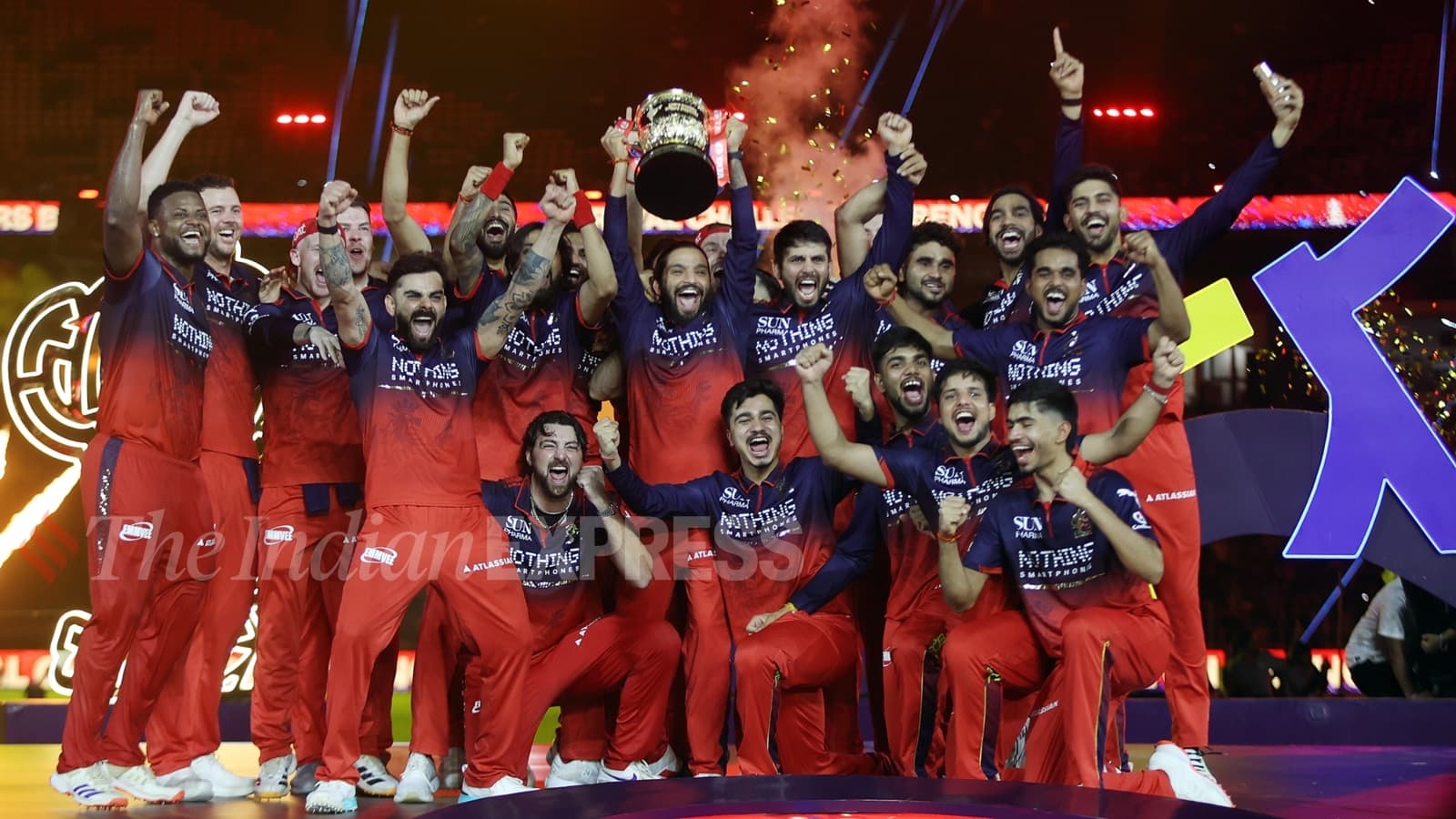
Rajat Patidar leads RCB to back-to-back IPL titles! Discover his leadership insights and goals for a historic third title in the upcoming season.
Indian Express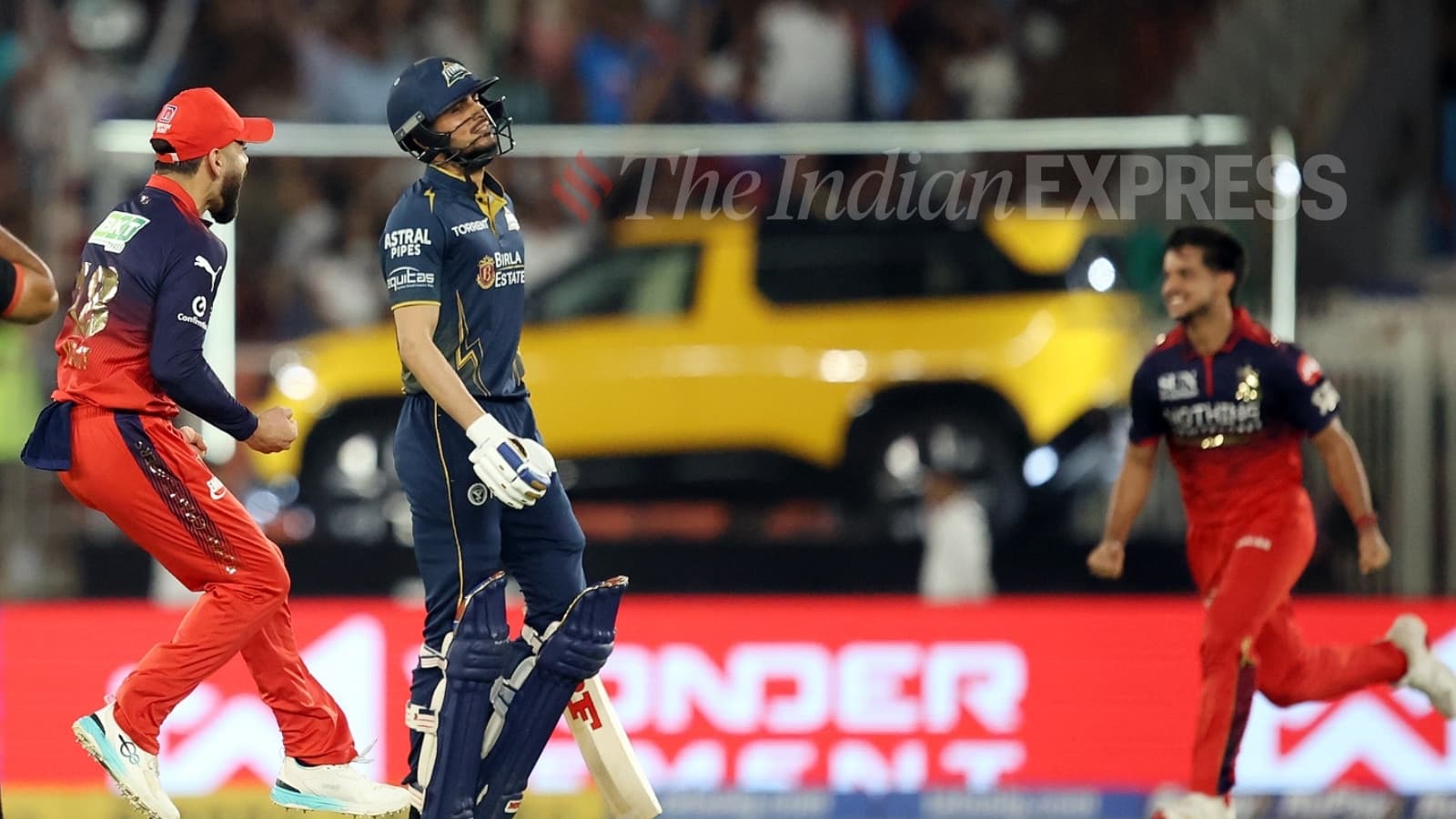
Gujarat Titans' Vikram Solanki reflects on their IPL 2026 final loss, acknowledging shortcomings and praising RCB's performance. What’s next for GT?
Indian Express
Virat Kohli and Anushka Sharma celebrate RCB's IPL 2026 victory with joy and emotion. Discover the highlights of this unforgettable night!
Indian Express