
Image: BBC Science
Discover the shocking revelations of nearly 30 illegal waste super sites in England, as the Environment Agency unveils a critical watchlist. Click to learn more!
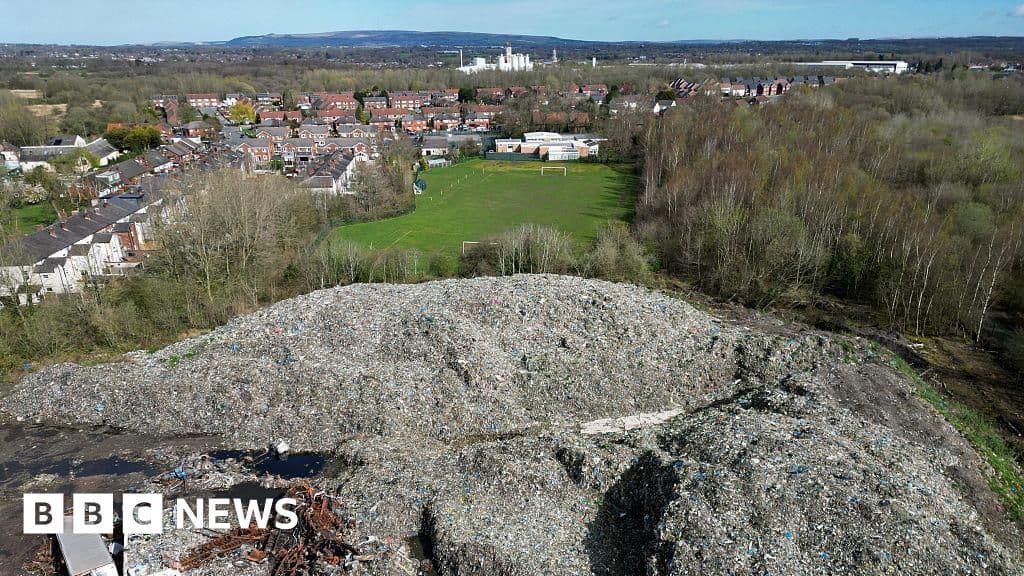
GlipzoIn a startling revelation, the Environment Agency (EA) has published a new watchlist that identifies nearly 30 suspected illegal waste 'super sites' across England, each housing tens of thousands of tonnes of rubbish. This extensive list of 117 high-priority sites was made public on Friday, shedding light on the scale of the waste crisis that has been plaguing local communities.
Among these sites, the largest is a staggering 281,000-tonne pile of contaminated soil located in Northwich, Cheshire. This site was one of 11 uncovered earlier this year through a BBC investigation, highlighting the ongoing challenges faced by regulatory agencies in managing illegal waste disposal.
The EA has estimated that there are approximately 700 illegal waste sites throughout the country. However, the newly released watchlist focuses on those deemed a higher priority, aimed at increasing public awareness and transparency about the agency's actions. The sites identified include those currently undergoing clean-up efforts, such as Hoads Wood in Kent and Kidlington in Oxfordshire.
In addition to these, massive dumps in Wigan and Sheffield—which collectively contain nearly 40,000 tonnes of waste—have also been flagged for possible clearance under the government’s waste crime action plan. However, the EA has emphasized that it is not typically funded to address the majority of identified sites unless specific conditions are met.
Local business owners, like Geoff Howarth, who operates near the Sheffield site, have expressed skepticism regarding the EA's efforts. Howarth stated that the new watchlist does little to inspire confidence in the agency’s ability to mitigate illegal waste dumping. He called for more decisive actions against offenders, asserting that public funds should only be used for clean-ups on land owned by criminals, suggesting that such properties should be seized and sold to recover costs.
The types of waste found at these illegal sites are varied, encompassing household refuse, construction debris, asbestos, and tyres. Many of these locations are operating without the necessary permits, posing significant health and environmental risks.
The Environment Agency is actively encouraging the public to report any concerns or information regarding the sites listed in the watchlist. This initiative is part of an ongoing effort to monitor illegal waste activities and enhance community involvement in environmental protection. The EA plans to update the watchlist monthly, although it will only provide broad locations and site types to avoid jeopardizing ongoing investigations.
Philip Duffy, the EA's chief executive, described waste crime as a substantial burden on both the environment and local communities. He emphasized that the purpose of publishing the watchlist is to promote transparency and reassure the public that the agency is addressing these issues. Duffy stated, "We want those committing these crimes to know that we are coming for them."
The implications of illegal waste dumping extend far beyond unsightly landscapes. Such activities can lead to severe environmental degradation, public health risks, and financial burdens on local governments. The EA's focus on high-priority sites aims to tackle these issues head-on, but the effectiveness of these measures largely depends on community engagement and sustained political will.
The government’s waste crime action plan seeks to combat these illegal activities through a combination of clean-up efforts and stricter enforcement against violators. However, as noted by local stakeholders, the success of these strategies will hinge on adequate funding and a robust framework for preventing future offenses.
With the newly unveiled watchlist shedding light on the scale of waste crime, it remains to be seen how effectively the EA and local communities can collaborate to address this pressing issue. The fight against illegal waste dumping is ongoing, and the stakes are high for both the environment and public health.

Tensions soar as the US and Iran engage in air strikes near the Strait of Hormuz, raising concerns over global oil supply and regional stability.
BBC World
Trump's international interventions face serious stalemates. What will this mean for U.S. foreign policy? Explore the critical challenges ahead.
Indian Express
Tehran denies resignation of President Masoud Pezeshkian amid claims of IRGC influence. What does this mean for Iran's political stability? Click to learn more!
Indian Express