
Image: BBC World
Austria's ex-intelligence officer Egisto Ott was convicted of spying for Russia, raising concerns over national security and ongoing espionage activities in Europe.
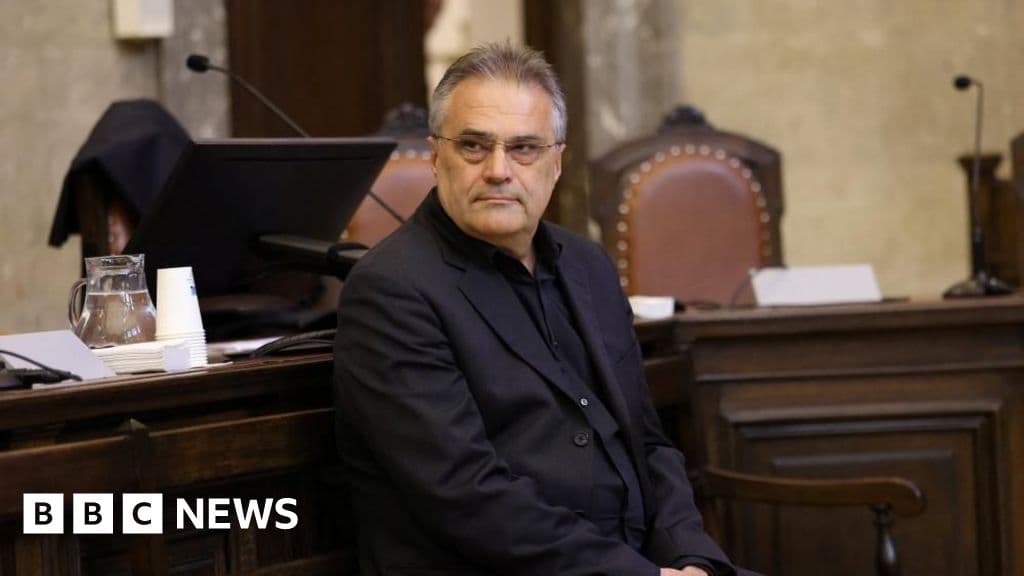
GlipzoIn a landmark ruling, Egisto Ott, a former intelligence officer in Austria, has been found guilty of spying for Russia. This case has been described as Austria's most significant espionage trial in recent years, capturing the attention of international media and raising alarms about ongoing Russian espionage activities in the country.
The jury in Vienna delivered the verdict on October 10, 2024, sentencing the 63-year-old Ott to four years and one month in prison. Despite the conviction, Ott continues to deny the allegations, and his legal team has already filed an appeal against the judgment. The implications of this trial extend beyond Ott’s individual actions, reigniting concerns about Austria's role as a potential hub for Russian intelligence operations.
The court proceedings revealed a disturbing pattern of behavior by Ott. He was found guilty not only of espionage but also of misuse of office, bribery, aggravated fraud, and breach of trust. From 2015 to 2020, Ott allegedly collaborated with Russian intelligence, compromising Austria's national security by collecting sensitive information from police databases. Key points from the trial include: - Ott allegedly provided valuable data to Jan Marsalek, a notorious figure linked to the collapsed German payments firm Wirecard. - Prosecutors claimed that Ott received monetary compensation for the information he supplied to both Marsalek and representatives of the Russian intelligence community. - Among the sensitive materials he accessed were secret electronic security hardware used by EU nations for secure communication.
The nature of Ott's betrayal is particularly egregious considering Austria's historical position as a neutral country. His actions have raised questions about how deeply embedded Russian influence might be within the Austrian intelligence community.
Jan Marsalek, an Austrian national and the former COO of Wirecard, is wanted by German authorities for his role in a massive fraud scandal. He is currently believed to be hiding in Moscow after fleeing Austria in 2020. His connections to Ott have drawn scrutiny, particularly as he is suspected of being involved in espionage activities himself, potentially acting as a Russian intelligence asset.
The prosecution laid out a troubling narrative, indicating that Marsalek had commissioned Ott to retrieve a laptop containing classified materials and sensitive data from Austrian officials. This laptop was reportedly handed over to Russian operatives, further illustrating the serious breach of trust and security.
During the trial, Ott maintained his innocence, claiming his actions were part of a covert operation sanctioned by a Western intelligence service, not Russia. However, the court's verdict suggests a different narrative, one driven by financial incentives and personal disillusionment with his career.
The fallout from this trial has reached the highest levels of Austrian politics. Following Ott's arrest in 2024, former Chancellor Karl Nehammer described the case as a significant threat to democracy and national security. This incident underscores the urgent need for vigilance against foreign interference in Austria's political and social systems.
This case is not just about one individual; it represents a larger trend of escalating espionage activities within Europe, particularly involving Russian operatives. As tensions between Russia and Western nations continue to grow, the potential for covert operations and intelligence breaches is a pressing concern.
As the appeal process for Ott unfolds, observers will be keenly watching how the Austrian government responds to this troubling espionage case. Potential outcomes may include: - Stricter regulations surrounding intelligence operations and greater transparency in monitoring officials. - Heightened efforts to counter Russian influence within Austria, possibly leading to diplomatic repercussions. - A reevaluation of relationships with firms like Wirecard and scrutiny over financial dealings involving foreign nationals.
In conclusion, the conviction of Egisto Ott not only shines a light on the dark underbelly of espionage but also serves as a critical reminder of the vulnerabilities that nations face in a rapidly evolving geopolitical landscape. This case will likely have lasting implications for Austria's intelligence community and its relationship with international partners.

Tensions soar as the US and Iran engage in air strikes near the Strait of Hormuz, raising concerns over global oil supply and regional stability.
BBC World
Trump's international interventions face serious stalemates. What will this mean for U.S. foreign policy? Explore the critical challenges ahead.
Indian Express
Tehran denies resignation of President Masoud Pezeshkian amid claims of IRGC influence. What does this mean for Iran's political stability? Click to learn more!
Indian Express