
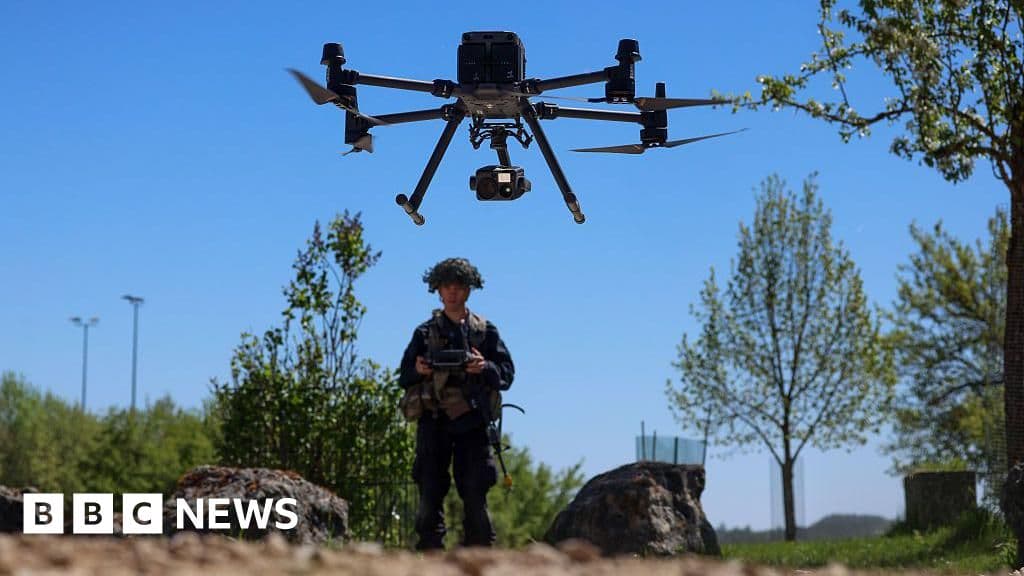
Image: BBC World
Major troop cuts in Germany spark GOP outrage, risking NATO cohesion. What are the implications for US-Russia relations and European defense?
GlipzoIn a significant move that has sparked controversy, two leading Republican lawmakers in the United States have voiced strong objections to the Pentagon's recent decision to withdraw 5,000 troops from Germany. The lawmakers, Roger Wicker and Mike Rogers, who oversee the Senate and House armed services committees, argue that this reduction could undermine deterrence against Russia and send an incorrect message to the Kremlin. This decision comes as tensions between the US and Russia remain high, underscoring the complexities of international military presence and alliances.
The Pentagon defended its decision, stating it followed a comprehensive review that considered the theater requirements and conditions on the ground. Pentagon spokesperson Sean Parnell explained that the move is part of a strategic adjustment rather than a retreat. However, Wicker and Rogers believe moving the troops further east would be a more effective approach to maintaining a robust deterrent posture.
Wicker and Rogers highlighted their concerns in a joint statement, emphasizing the risks of reducing the American military footprint in Europe at a time when European allies are increasing their defense spending. They pointed out that prematurely withdrawing troops could send the wrong signals to Russian President Vladimir Putin, potentially emboldening him. They stated:
> "Rather than withdrawing forces from the continent altogether, it is in America's interest to maintain a strong deterrent in Europe by moving these 5,000 U.S. forces to the east."
Germany's defense minister, Boris Pistorius, responded to the Pentagon's decision by asserting that it was anticipated and underscored the importance of American military presence in Europe. He stated that the presence of US soldiers in Germany aligns with both Germany's and America's interests. Additionally, NATO is seeking clarification regarding the implications of this troop reduction on the alliance as a whole.
While some lawmakers express support for the troop cuts, such as Clay Higgins, a Republican on the House armed services committee, others voice skepticism about the underlying motivations. Higgins made a controversial remark suggesting that perhaps the troops should be directed to the Senate instead, alluding to perceived inefficiencies in Congress. He quipped:
> "Pulling 5K American troops from the arrogant Germans. Maybe we should send them the Senate."
Democratic representatives, including Adam Smith, criticized the troop withdrawal as lacking a coherent national security strategy. Smith attributed the decision to the political sentiments of President Trump, arguing that it was not based on strategic analysis but rather on personal grievances.
President Donald Trump has made it clear that he is contemplating further troop reductions, mentioning that the cuts could extend beyond the current 5,000. This announcement follows his criticisms of Germany's defense spending and previous remarks regarding negotiations with Iran. The troop presence in Germany currently stands at over 36,000, making it the largest US military deployment in Europe.
The geopolitical landscape is shifting, as the US military presence in Europe contrasts sharply with its commitments in Italy and the UK, where approximately 12,000 and 10,000 troops are stationed, respectively. Trump's focus on reducing troop levels reflects a broader strategic pivot from European engagements towards the Indo-Pacific region, raising concerns among NATO allies about the future of transatlantic security.
Amidst these developments, NATO's leaders are increasingly worried about the potential weakening of the alliance. Donald Tusk, the Polish Prime Minister, warned that the true threat to the transatlantic community is not external adversaries but the disintegration of the alliance itself. He called for collective efforts to reverse this troubling trend. Tusk remarked:
> "We must all do what it takes to reverse this disastrous trend."
This sentiment is echoed by various NATO officials who are seeking to engage with Washington for a clearer understanding of the implications of the troop reductions on regional security dynamics.
In a related development, Germany's defense spending has become a focal point of discussion, particularly in light of Trump's previous accusations of Germany being "delinquent" in meeting NATO's 2% GDP defense spending requirement. Under the leadership of former Chancellor Olaf Scholz and now Chancellor Friedrich Merz, Germany has pledged to significantly increase its defense budget, aiming for €105.8 billion by 2027. This adjustment will elevate Germany's defense expenditure to 3.1% of GDP, taking into account additional funds allocated for defense initiatives, including support for Ukraine against Russian aggression.
As the situation unfolds, the implications of the Pentagon's decision on troop reductions will be closely monitored by both US lawmakers and European allies. The potential for further troop cuts could reshape the security landscape in Europe, prompting NATO to reconsider its strategies and commitments. Moving forward, observers will be keen to see how the Biden administration balances military presence in Europe while addressing rising tensions in the Indo-Pacific and maintaining strong alliances.
The global security environment is in flux, and the choices made by the US and its allies in the coming months will be crucial in determining the future of NATO and its collective defense posture against potential threats from Russia.

Tensions soar as the US and Iran engage in air strikes near the Strait of Hormuz, raising concerns over global oil supply and regional stability.
BBC World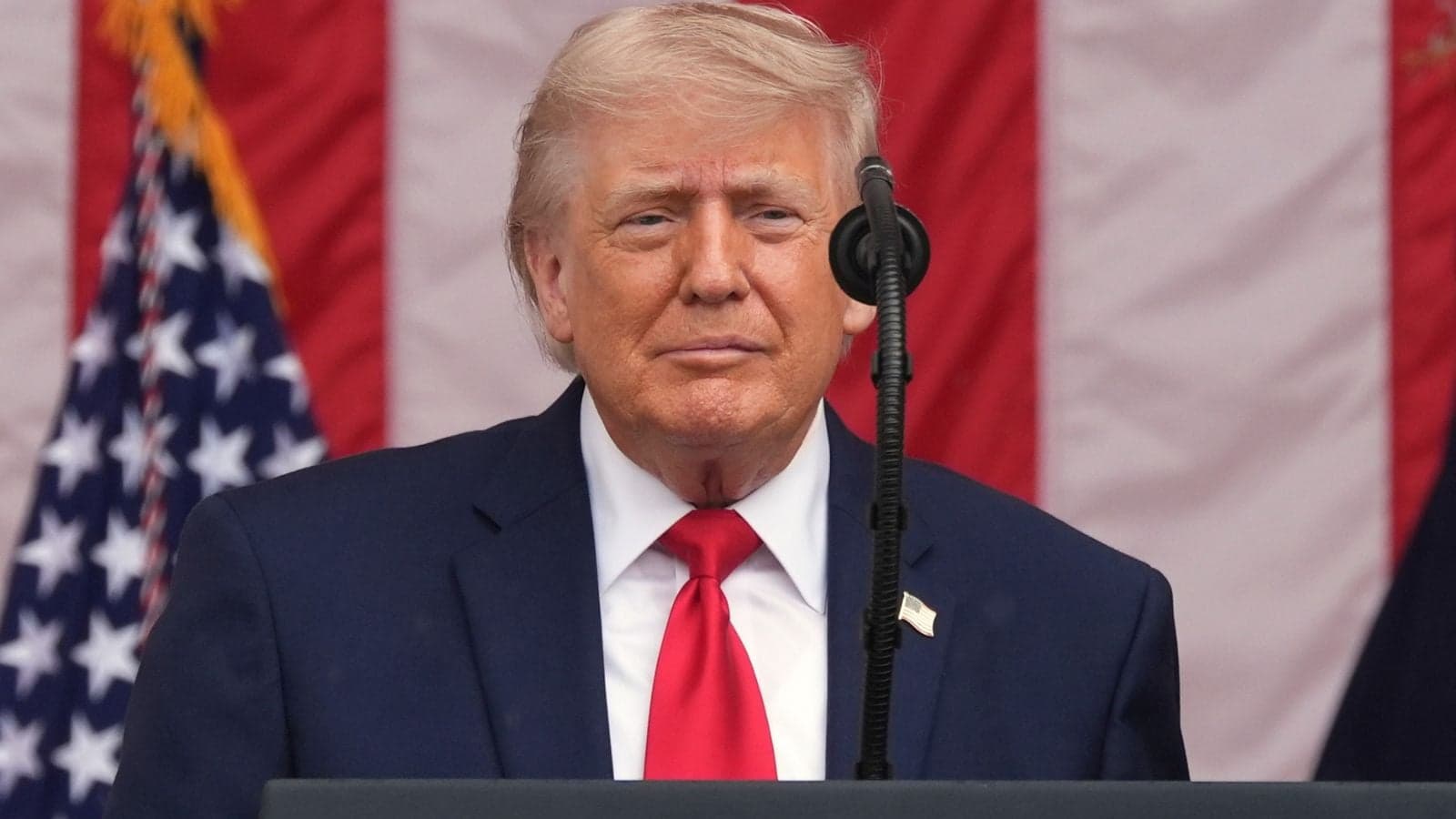
Trump's international interventions face serious stalemates. What will this mean for U.S. foreign policy? Explore the critical challenges ahead.
Indian Express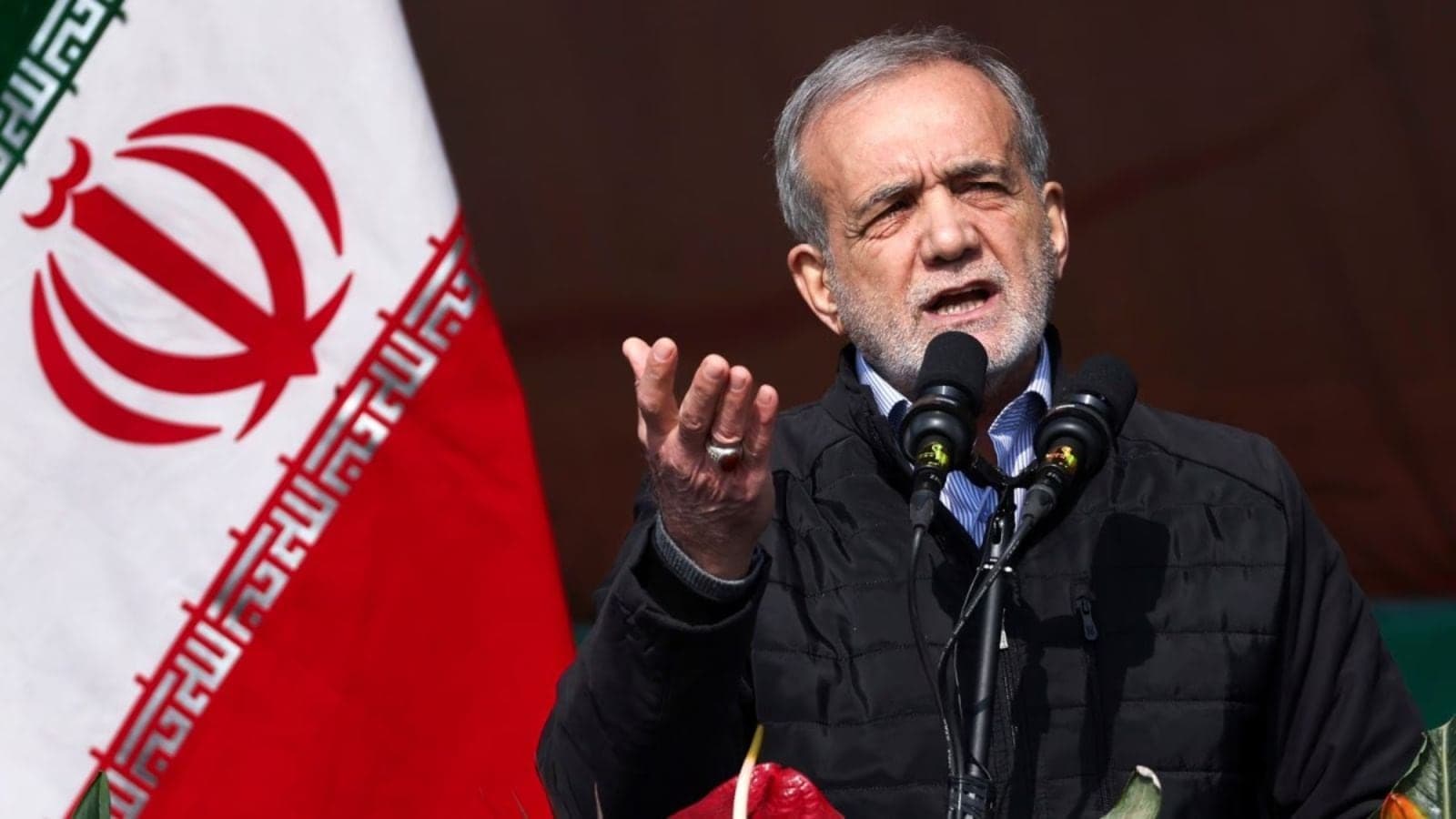
Tehran denies resignation of President Masoud Pezeshkian amid claims of IRGC influence. What does this mean for Iran's political stability? Click to learn more!
Indian Express