
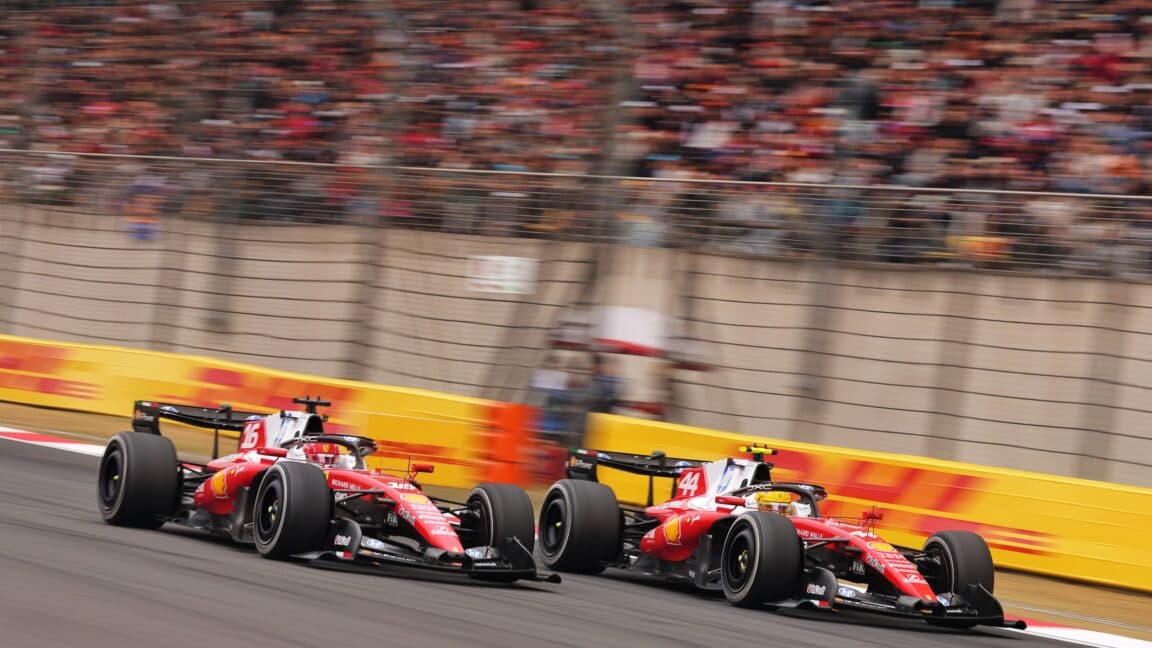
Image: Ars Technica
Formula 1's Shanghai race saw record crowds, thrilling competition, and revealed team dynamics—what's next for this electrifying season?
GlipzoFormula 1 made its much-anticipated return to Shanghai this past weekend, just a week after launching the 2026 season in Australia. The atmosphere was electric, with fans flocking to the grandstands to witness the action. The teams appeared more adept at handling the complexities of their new hybrid cars, which thrived on the traditional racetrack layout that allowed for optimal use of their power units. With ample hard braking zones, teams were able to recharge their batteries effectively, enhancing race performance without compromising engine power.
As the weekend unfolded, the hierarchy among the teams became clearer, particularly among the top three contenders. However, the midfield battle remained fierce and competitive. Unreliability issues cast a shadow over the event, as four cars failed to start the race and seven out of 22 drivers were not classified as finishers. This was a disappointing outcome for the fans of these teams, especially those who woke up at the crack of dawn to catch the race live. Despite these challenges, Formula 1 still delivered an exciting spectacle in Shanghai.
Shanghai has been a staple on the F1 calendar since 2004, with the track designed by renowned architect Herman Tilke. The circuit is unique, featuring a picturesque layout complete with a pond-studded paddock and a grandstand that spans the start-finish straight. Notably, the track design mimics the Chinese character for “Shang,” resulting in a series of intricate corners, particularly the challenging turns 1 and 2.
Over the years, the skyline of Shanghai has encroached upon the track, making the venue even more captivating. However, one significant change this year stood out: the previously unused grandstands before the back straight were filled to capacity, marking a first in nearly 20 years.
Lewis Hamilton, the legendary driver, expressed his astonishment at the turnout, stating, “This is the biggest crowd I’ve ever seen here in Shanghai. When we were doing the drivers’ parade, we went up to Turn 11, 12, and that grandstand has been closed for, I think, almost 20 years, and it was amazing. I was so shocked to see it completely full.” The excitement was palpable, and the sold-out crowd underscored the growing interest in the sport, especially amid recent speculations linking Chinese automaker BYD to Formula 1.
The Shanghai race weekend was also notable for being the first sprint weekend of the season, limiting teams to just one practice session instead of the customary three. Mercedes continued to showcase its dominance, exhibiting a performance gap significant enough that unless other teams step up their game, the drivers’ and constructors’ championships are likely heading back into the hands of Mercedes. The team’s high-performance hybrid power units outclassed their competitors, leveraging a well-mastered combination of the V6 engine, electric motor, and battery pack.
Ferrari, while lagging behind Mercedes, remained a fierce competitor, clocking in approximately half a second slower over a lap. The team’s decision to employ smaller, faster-spooling turbochargers proved advantageous, especially during the race starts, where drivers Lewis Hamilton and Charles Leclerc battled fiercely with George Russell and Kimi Antonelli of Mercedes.
The sprint race, however, did not go as planned for Antonelli, who faced a poor start and consequent contact with Isack Hadjar from Red Bull. This allowed Russell to share the podium with Leclerc and Hamilton. The main race on Sunday showcased a different narrative; Antonelli redeemed himself by securing pole position and executed a strong start, quickly distancing himself from his teammate.
Hamilton's improved start saw him surge past both Mercedes cars, a moment that likely felt gratifying after his ousting from the team in favor of the youthful Antonelli last year. However, by the third lap, Antonelli reclaimed the lead—a position he maintained until the checkered flag.
This race weekend not only highlighted the intense rivalry among the teams but also showcased the burgeoning interest in Formula 1, particularly in China. With the grandstands full and enthusiasm high, it's clear that the sport is resonating with a new generation of fans.
The resurgence of interest in Formula 1 in China illustrates the sport's expanding global reach. The packed grandstands indicate that Formula 1 is not just a motorsport; it is becoming a cultural phenomenon in regions where it had previously struggled. The involvement of major corporations like BYD further cements the sport's potential for growth in emerging markets.
As the season progresses, all eyes will be on how teams adapt to the evolving challenges and whether others can close the performance gap behind Mercedes. Future races will be crucial for teams like Ferrari and Red Bull as they seek to capitalize on any missteps by the frontrunners. Additionally, the ongoing interest from Chinese automakers suggests that we may see more collaborations that could redefine the F1 landscape in the coming years. Stay tuned for what promises to be an exhilarating season ahead!
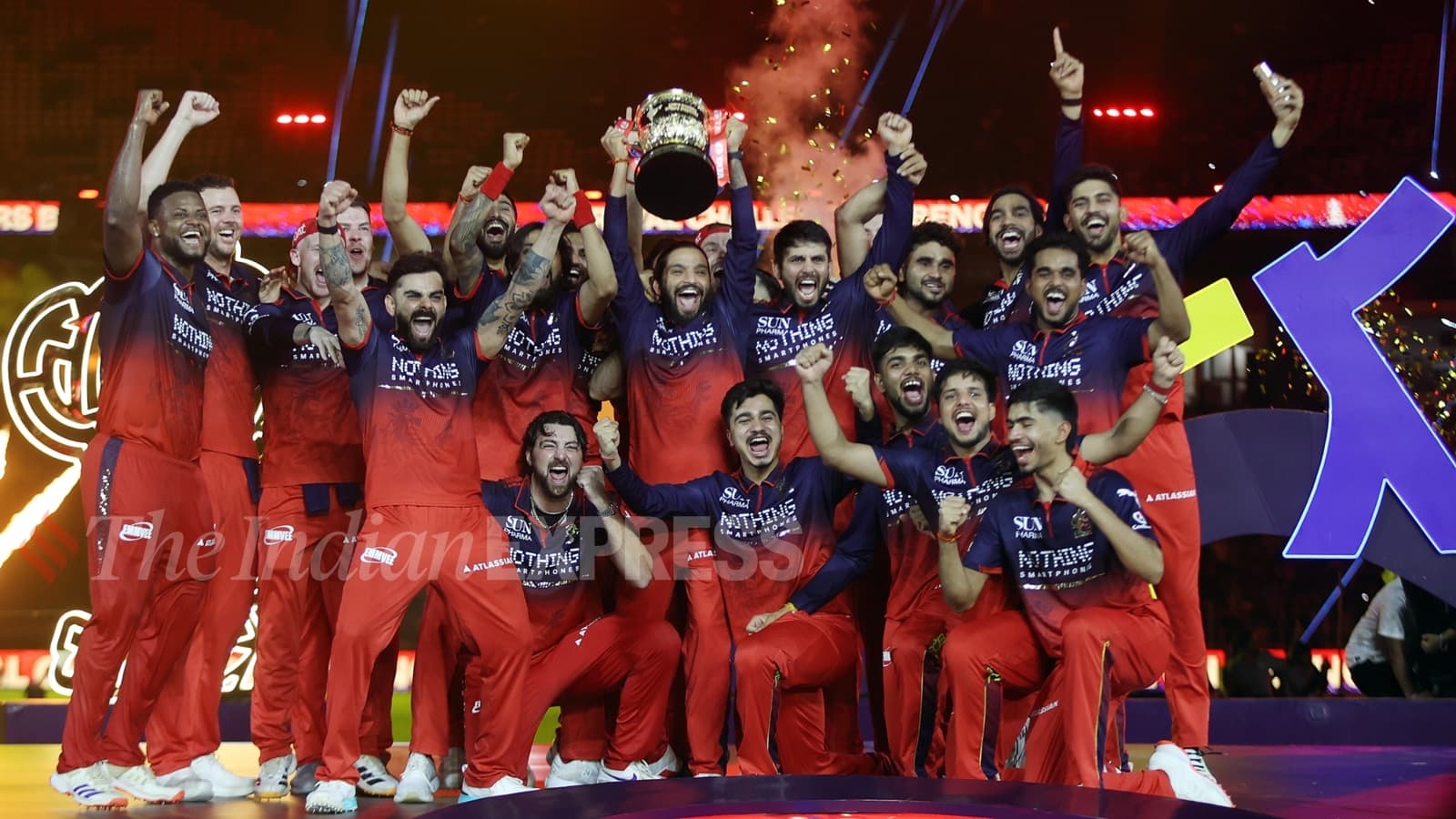
Rajat Patidar leads RCB to back-to-back IPL titles! Discover his leadership insights and goals for a historic third title in the upcoming season.
Indian Express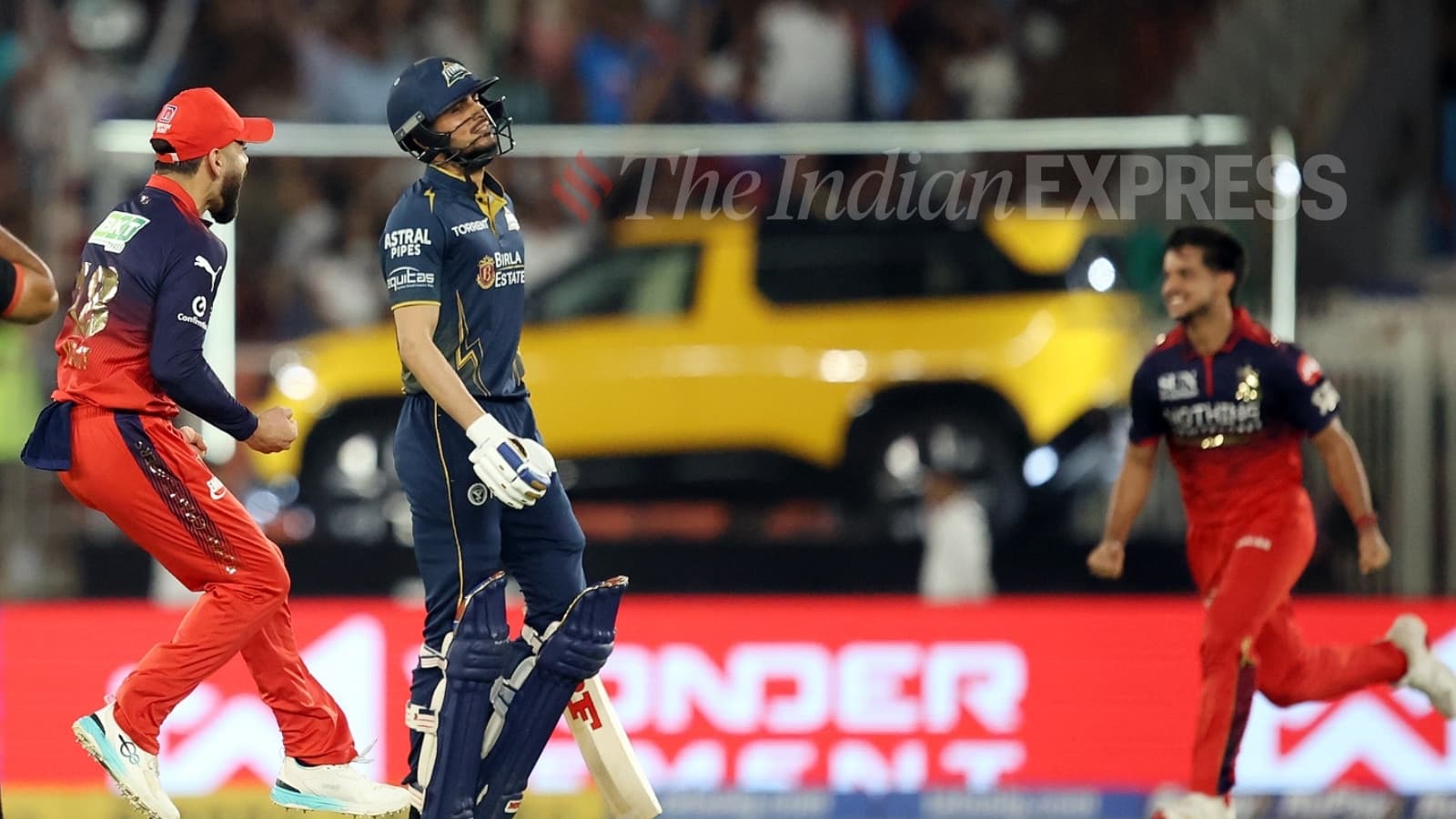
Gujarat Titans' Vikram Solanki reflects on their IPL 2026 final loss, acknowledging shortcomings and praising RCB's performance. What’s next for GT?
Indian Express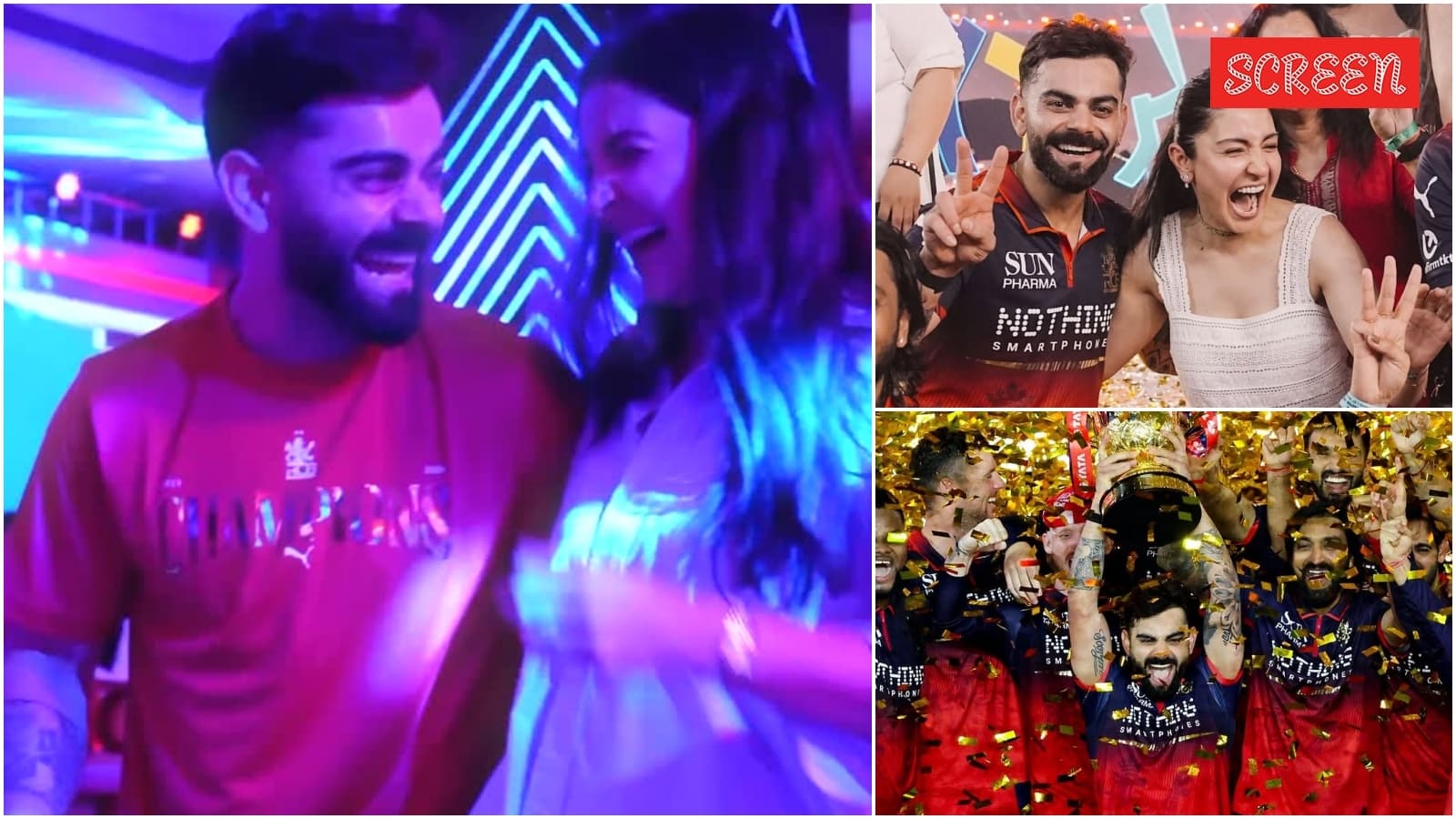
Virat Kohli and Anushka Sharma celebrate RCB's IPL 2026 victory with joy and emotion. Discover the highlights of this unforgettable night!
Indian Express