
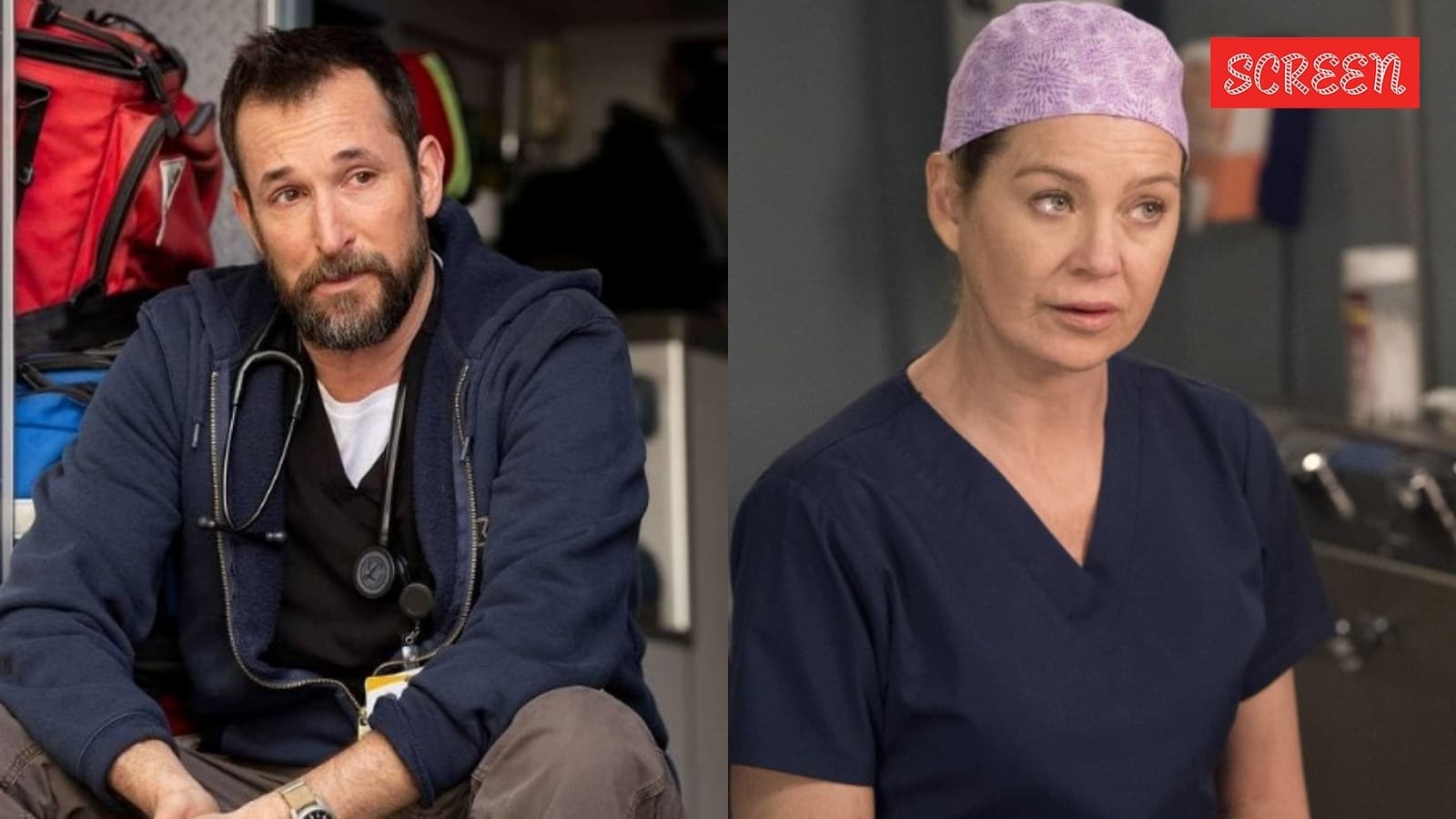
Image: Indian Express
Discover how The Pitt redefines medical drama, revealing the harsh realities faced by healthcare professionals compared to Grey's Anatomy.
GlipzoFor 16 years, I was a devoted fan of Grey’s Anatomy, following the ups and downs of its beloved characters through 17 seasons. I witnessed iconic story arcs involving McDreamy, McSteamy, and the emotional entanglements of Cristina Yang and Owen Hunt. The series was a rollercoaster of romance, heartbreak, and dramatic surgeries, encapsulating the highs and lows of life in a bustling hospital.
However, as the seasons progressed, I felt the show became increasingly cluttered. New faces flooded the screen, and storylines stretched thin, leading me to lose interest by season 17. Eventually, I found myself stepping away from the genre altogether. When The Pitt premiered, I chose to overlook it, not eager to dive back into another hospital setting filled with medical emergencies.
Yet, the buzz around The Pitt was impossible to ignore. Viewers were raving about its unique intensity and authenticity, prompting me to reconsider. By the time the show started winning Emmy Awards, my curiosity piqued, and I decided to give it a watch. To my surprise, I was quickly captivated, and by January, I was fully entrenched in its second season.
Initially, I approached The Pitt as a loyal Grey’s Anatomy fan, expecting similarities. However, I quickly realized that these two shows pursue very different objectives. While both are set in a medical environment, The Pitt delves deeper into the harsh realities faced by healthcare professionals, an aspect often overlooked by its predecessor.
In Grey’s Anatomy, medicine primarily serves as a backdrop for personal drama. The emotional entanglements and romantic escapades of its doctors often overshadow the medical narratives. Surgeries and trauma cases become secondary to the interpersonal relationships that drive the story. The series crafted a glamorous portrayal of medical life, making it seem tragic and operatic.
In stark contrast, The Pitt refrains from indulging in excessive personal backstories. Its strength lies in its restraint. While viewers catch glimpses of the characters' lives outside the ER, these elements never overshadow their professional responsibilities. Instead, the show immerses viewers in the relentless grind of medical practice—highlighting the pressure, bureaucracy, and emotional toll that healthcare workers endure day in and day out.
The Pitt's format is one of its most striking features. Each of its 15 episodes chronicles a single hour in the ER. This approach ensures that viewers experience the intensity and chaos of that hour alongside the characters. The rapid succession of events—from treating patients to managing crises—creates a palpable sense of exhaustion. By the episode's conclusion, you feel as drained as the staff on screen, giving life to the idea that the emotional toll of medical labor is as significant as the physical demands.
The waiting room in The Pitt is often crowded, with patients experiencing long waits for care. Some receive treatment too late, while others grapple with fear and anger. The medical staff finds themselves overworked and emotionally drained, carrying burdens that often remain unspoken. There’s no glamorization of their challenges; instead, the show lays bare the exhaustion and unpredictability inherent in their day-to-day lives.
The difference between Grey's Anatomy and The Pitt is not just one of storytelling style but also of thematic depth. The latter represents a critical shift in how medical dramas can address the complexities of healthcare. In an era where the healthcare system faces unprecedented challenges, The Pitt resonates on multiple levels—serving as both a compelling narrative and a reflection of real-world medical struggles.
The series invites viewers to empathize with the emotional and ethical dilemmas faced by medical professionals, making it more than just entertainment. It serves as a wake-up call to the audience about the realities of the medical field, fostering a deeper understanding of the sacrifices and challenges that healthcare workers encounter daily.
As I continue to watch The Pitt, I find myself eager to see how the series will develop its characters and storylines. With its unique approach to medical drama, I anticipate that it will continue to attract viewers looking for a more grounded representation of healthcare. The Pitt stands as an essential reminder of the human cost of medical work, compelling viewers to appreciate the dedication and resilience of those who serve on the front lines of health crises.
As the second season unfolds, I will be watching closely, curious to see how it addresses ongoing issues within the healthcare system and the personal stories of its characters. In a world where medical dramas often prioritize romance and drama, The Pitt offers something refreshingly different—an unfiltered view of what it truly means to work in medicine today.

Zahan Kapoor reveals an unconventional role in his upcoming film, signaling a significant shift from his breakout success in Black Warrant. What’s next for this rising star?
Bollywood Hungama
Discover how Vishal Jethwa is transforming his physique for Shakti Shalini, emphasizing the mental discipline behind peak fitness.
Bollywood Hungama
Discover the dark truths of urban development in Kammatipaadam, a film that reveals the often-overlooked sacrifices behind city growth.
Indian Express