
Image: BBC World
Two former Chinese defense ministers received suspended death sentences for corruption, highlighting a major anti-corruption crackdown within the military.
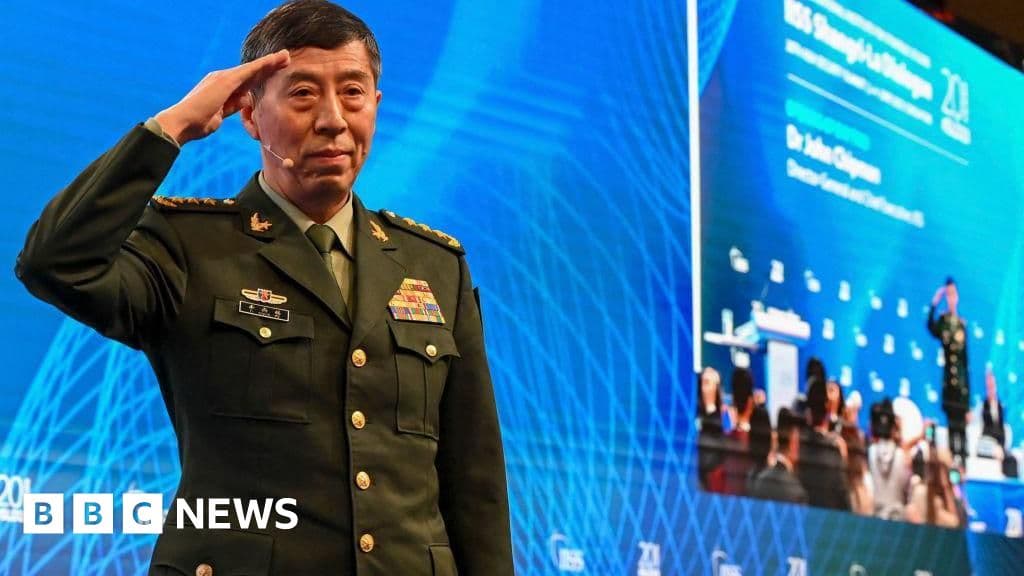
GlipzoIn a stunning development for Chinese politics, two former defense ministers have received suspended death sentences following a high-profile corruption scandal. On Thursday, a military court in China sentenced Wei Fenghe and Li Shangfu to death with a two-year reprieve, a verdict that underscores the ongoing crackdown on corruption within the Chinese military. This means that after two years, their sentences could be commuted to life imprisonment, without the chance for parole or reduction. This significant ruling was reported by Xinhua, the state-run news agency.
The charges against both ministers center around bribery and corruption, with all their personal assets confiscated as part of the ruling. The move is indicative of a larger campaign aimed at rooting out corruption among top military officials, an initiative that has intensified under President Xi Jinping.
Wei served as the defense minister from 2018 to 2023, before being succeeded by Li in March 2023. Li’s brief tenure ended dramatically when he was dismissed in October 2023, just two months after he had mysteriously vanished from public view. This disappearance fueled rampant speculation regarding his political fate.
According to Reuters, previous reports from Xinhua suggested that Li was embroiled in a web of corruption, allegedly receiving large sums of money in bribes and involved in bribing others. Investigations revealed that he failed to fulfill his political responsibilities and sought personal benefits, further tarnishing the image of an already beleaguered military hierarchy.
In tandem with Li’s case, Wei was investigated in 2023 and found to have accepted a significant amount of money and valuables through corrupt means. He was also implicated in facilitating improper benefits for others in personnel decisions, painting a grim picture of corruption at the highest levels of the military.
This latest ruling comes on the heels of a broader trend within China, where President Xi has initiated a series of anti-corruption drives aimed at cleaning up the military and government sectors. In February 2023, Xi publicly acknowledged the military's efforts to combat corruption, stating that the army has undergone “revolutionary tempering” during this process. This statement followed the removal of Zhang Youxia, the country’s top military general, further emphasizing the seriousness of these anti-corruption campaigns.
Critics of Xi's administration argue that these crackdowns are not merely aimed at corruption but also serve as a strategic tool to eliminate political rivals. This dual agenda raises questions about the true motivations behind these sweeping reforms and whether they are genuinely intended to improve governance or to consolidate Xi’s power.
The implications of these sentences are profound for China's military and political landscape. As the country grapples with internal corruption issues, the harsh penalties imposed on former officials signal a zero-tolerance approach that could deter other leaders from engaging in corrupt practices. However, the underlying motives behind these anti-corruption efforts remain contentious.
The fallout from this case is likely to be felt throughout the military and government, stirring fears among officials about the consequences of corruption. Moreover, it raises broader questions about governance in China and the balance of power within the Communist Party.
Looking ahead, the focus will likely shift to how these rulings affect other military and government officials. Will there be more investigations? Will Xi Jinping continue his campaign against corruption, or will it morph into a tool for political purges? The answer could have significant ramifications for the stability of the Chinese government and military.
As the world watches, the potential for further political shake-ups looms large, alongside the question of how these developments will impact China’s global standing. The aftermath of this case could lead to more transparency in governance, or it could further entrench Xi's power and influence, making it a critical moment in Chinese history.
The ongoing saga surrounding Wei and Li serves as a poignant reminder of the complexities of governance in China and the intricate links between corruption, power, and political survival.

Tensions soar as the US and Iran engage in air strikes near the Strait of Hormuz, raising concerns over global oil supply and regional stability.
BBC World
Trump's international interventions face serious stalemates. What will this mean for U.S. foreign policy? Explore the critical challenges ahead.
Indian Express
Tehran denies resignation of President Masoud Pezeshkian amid claims of IRGC influence. What does this mean for Iran's political stability? Click to learn more!
Indian Express