
Image: Indian Express
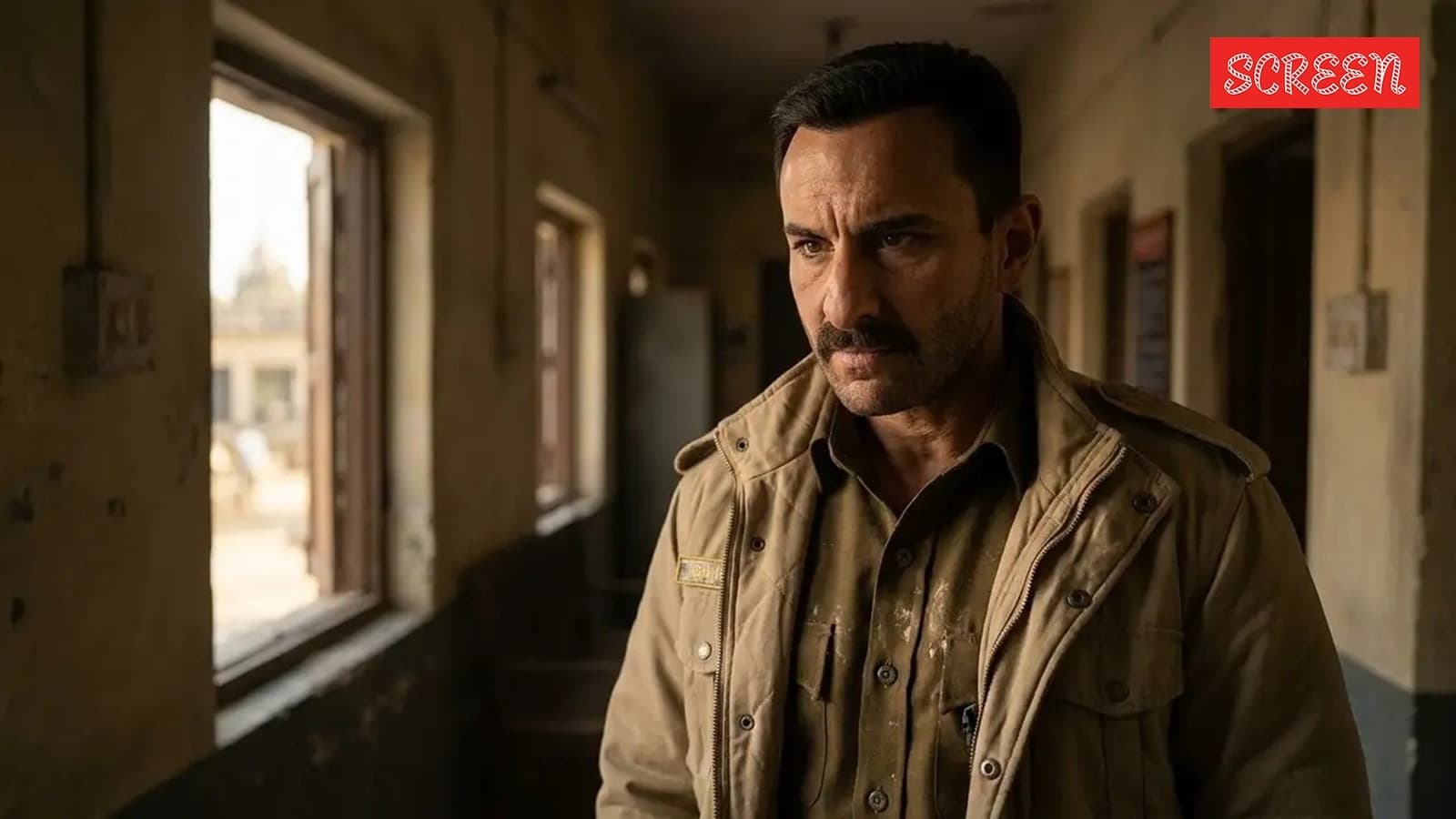
Discover why Saif Ali Khan's performance in 'Kartavya' fails to impress, revealing deeper issues within the film's narrative and character development.
GlipzoSaif Ali Khan has long been a polarizing figure in the film industry. While he has delivered standout performances in films like Omkara and the acclaimed series Sacred Games, he has also appeared in lackluster projects such as Humshakals and Adipurush. This inconsistency raises questions about his commitment to each role. In fact, his recent performance in Jewel Thief felt more like a casual stroll than a serious acting endeavor, leaving audiences wondering if he was fully invested in his craft.
As viewers, it's often challenging to categorize actors like Saif as simply good or bad. When an actor's range fluctuates so dramatically, audiences can quickly discern whether they are genuinely engaged with the material. This brings us to the latest Netflix offering, Kartavya, which presents a perplexing viewing experience. Although Saif appears earnest in his portrayal, the film's tone and execution fail to match his intensity, resulting in a disjointed narrative.
Set against the backdrop of a fictional North Indian state, Kartavya introduces Saif as Pawan, an upright policeman unafraid to confront authority figures, including a notorious cult leader involved in child abuse. The plot thickens when a journalist investigating this cult is murdered under Pawan's watch, prompting him to vow that he will solve the case within a week. Concurrently, Pawan grapples with familial issues as his brother, Deepak, elopes with a girl from a different caste, putting them both in danger from a vengeful khap panchayat.
However, the film takes a bizarre turn, positioning Pawan as the ‘hero’ who ultimately fails to protect both the journalist's investigation and his brother's safety. This raises questions about the film's characterization and Pawan's motivations, especially given his established life and responsibilities.
As Pawan embarks on this dual quest for justice and familial protection, viewers are left questioning his sudden moral awakening at the age of 40. What prompts a man who has lived in a flawed system for so long to suddenly become a revolutionary cop? The film struggles to provide a compelling rationale for his transformation, leaning instead on clichéd plot devices that serve to advance the storyline rather than develop the character.
The narrative also falters in its depiction of Pawan’s awareness of local issues. Despite his supposed dedication to justice, he acts as if he is discovering the cult leader's crimes for the first time. Such inconsistencies make it hard to empathize with his character. Pawan's frustration with the cult leader feels forced, considering he should have been aware of the rampant abuses happening in his community.
Even in his personal life, Pawan's commitment to protect Deepak feels hollow. He recalls a tragic family history regarding inter-caste unions but shows little urgency in addressing the dangers posed by the panchayat. His violent outburst towards his father seems out of place, given that he has lived with the consequences of his father's beliefs. This disconnect leaves viewers wondering why Pawan has remained passive in the face of such societal injustices until now.
Despite embodying the traits of a traditional hero, Pawan's journey is marked by failure rather than triumph. In moments where he should be taking decisive actions—such as safeguarding Harpal, a teenager abused by the cult leader—he instead hands over responsibility to his sidekick, highlighting his incompetence and lack of heroism. Similarly, his brother's tragic fate unfolds due to Pawan's negligence, ultimately reinforcing the notion that he is not cut out for the heroic role that the film attempts to assign him.
The film's failure to create a compelling protagonist is perhaps its most significant flaw. Pawan’s character is riddled with contradictions, and his journey is marred by a lack of depth and realism. Rather than providing a nuanced critique of systemic issues, Kartavya settles for a superficial narrative that does not resonate with viewers.
As audiences navigate through this muddled storyline, they are left wondering about the film's thematic intentions. Is it a commentary on the failures of law enforcement? A critique of societal norms? Unfortunately, Kartavya fails to deliver a cohesive message, leaving viewers feeling unsatisfied and confused.
In the wake of Kartavya, it remains to be seen how this film will impact Saif Ali Khan's career trajectory. Will he continue to take on roles that challenge him, or will he revert to his earlier patterns of inconsistent performances? As the industry evolves, audiences will be watching closely to see if Saif can harness his talent in future projects that demand both depth and authenticity. Meanwhile, Kartavya serves as a cautionary tale about the importance of character development and coherent storytelling in cinema.
In conclusion, while Saif Ali Khan's commitment to his role in Kartavya is evident, the film's shortcomings overshadow any potential it may have had. As viewers seek more engaging narratives, filmmakers must strive to create characters that resonate and inspire.
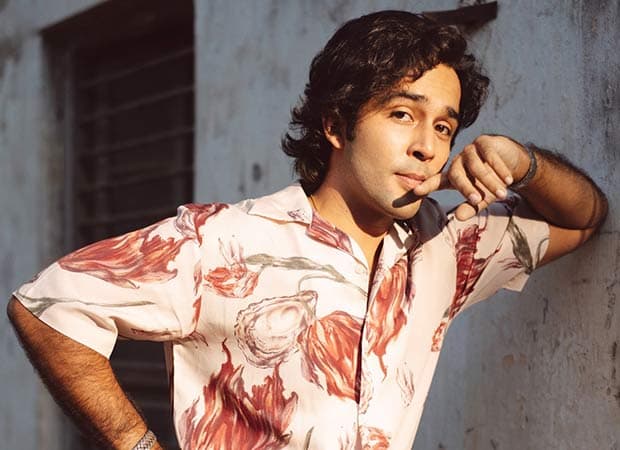
Zahan Kapoor reveals an unconventional role in his upcoming film, signaling a significant shift from his breakout success in Black Warrant. What’s next for this rising star?
Bollywood Hungama
Discover how Vishal Jethwa is transforming his physique for Shakti Shalini, emphasizing the mental discipline behind peak fitness.
Bollywood Hungama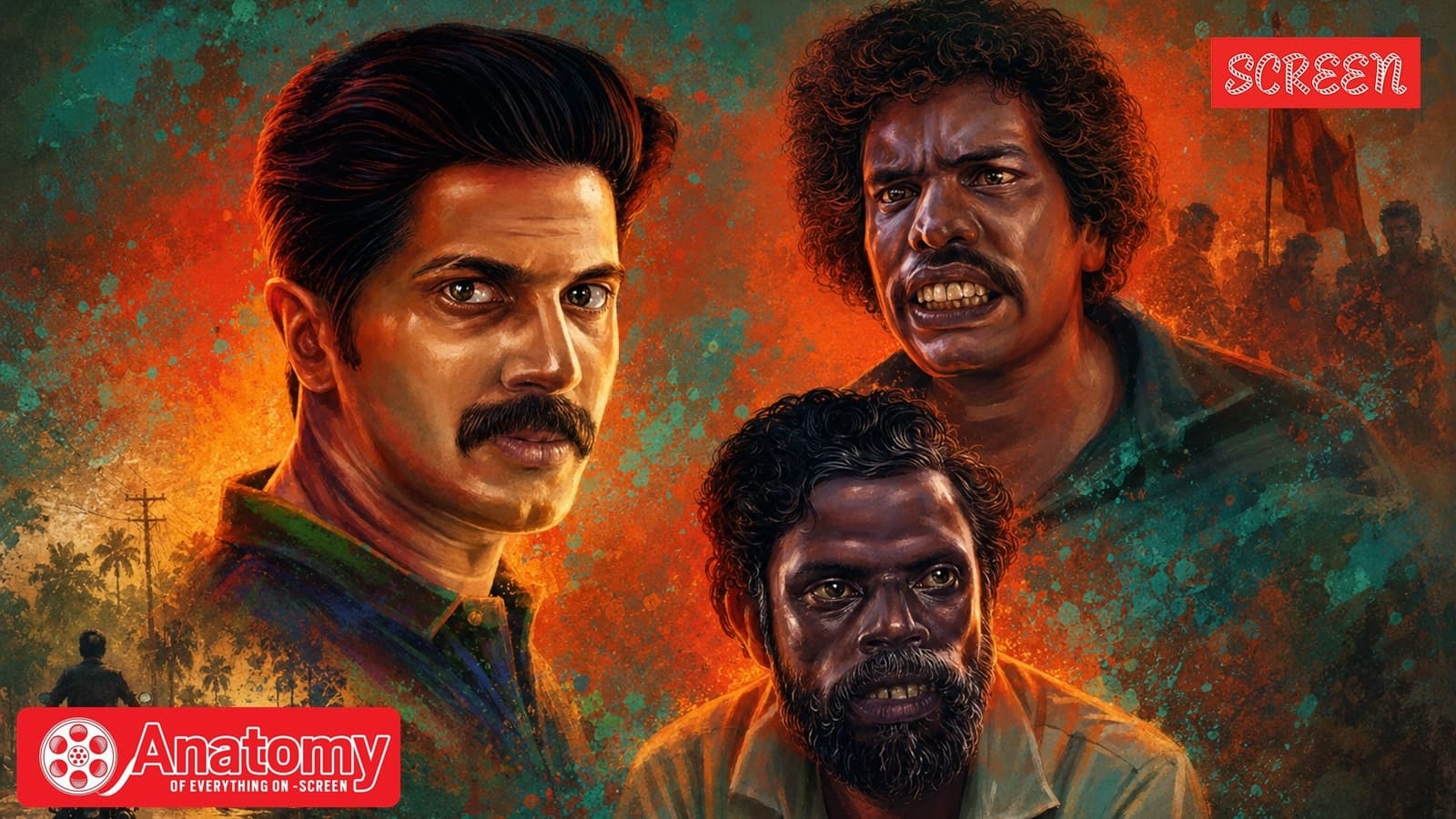
Discover the dark truths of urban development in Kammatipaadam, a film that reveals the often-overlooked sacrifices behind city growth.
Indian Express