
Image: The Hindu
Liam Livingstone reveals his struggles with the England cricket team, highlighting mental health issues in sports. What does this mean for his future?
GlipzoLiam Livingstone, a name synonymous with versatility in cricket, has experienced the highs of becoming a World Cup winner and the lows of feeling abandoned by his national team. With a career spanning 100 international matches across all formats for England, his story is one of resilience and the harsh realities of professional sports. The 32-year-old cricketer, who shone in the 2022 T20 World Cup in Australia, is now grappling with a prolonged absence from the national squad, leading to a profound sense of disillusionment.
Livingstone, known for his exceptional ball-striking ability and solid all-round skills, has a T20 average of 28.00 at a remarkable strike rate of 144.70. His impressive tally of 148 wickets at an economy rate of 8.48 across 340 matches speaks volumes about his capabilities. Yet, despite these statistics, the cricketer has not donned the England jersey since the 2023 Champions Trophy, where he faced a disappointing exit in the league stage after a string of lackluster performances.
The 2023 Champions Trophy, held in Karachi, marked a turning point for Livingstone. Following a disappointing outing against South Africa, where England was eliminated early, he felt the sting of exclusion. “The Champions Trophy was the worst experience I’ve had playing cricket,” Livingstone candidly shared in a recent interview with ESPNcricinfo. His struggles in India earlier that year, where his performances fell flat, compounded his frustrations, leading to a year-long hiatus from international play.
Livingstone's last T20I appearance against India in February 2025 did not yield the results he had hoped for. His form plummeted, with his last six ODI innings accumulating just 88 runs. With three of those innings coming in the crucial Champions Trophy matches, where he recorded scores of 14, 10, and 9, it was evident that he was caught in a downward spiral.
In a world where mental health is increasingly recognized, Livingstone's experience reveals the darker side of sports culture. His attempts to seek help were met with dismissive advice to simply “chill out.” This response from the management underscored a troubling culture within the England cricket setup.
He recounted a call from Brendon McCullum, England's all-format coach, who informed him that they were looking to “try someone else” for the upcoming fixtures. Adding to his disappointment, he received a text from Harry Brook, the white-ball captain, but nothing from Luke Wright, the outgoing selector, or even a brief acknowledgment from Rob Key, the managing director. Livingstone described the response from Key as a curt “busy” while attending a Test camp. His frustrations highlight a disconnection that can exist within team dynamics, particularly for those on the periphery.
Livingstone's situation is a stark reminder of the emotional toll that professional sports can take on athletes. Cricket, often seen as a game of glory, is riddled with failure. Even the most accomplished players experience self-doubt and insecurity. The legendary Sachin Tendulkar, cricket's most prolific run-scorer, had a staggering 63.8% of his innings ending without a half-century. This statistic exemplifies the relentless challenge that players face, regardless of their standing in the sport.
In cricket, particularly in a country like India, the competition is fierce, with a rich talent pool and intense scrutiny. This environment can lead to increased pressure and mental strain, especially for players like Livingstone, who are navigating their career crossroads.
Livingstone's narrative sheds light on an essential aspect of sports that often goes unnoticed: the psychological challenges faced by athletes. As the cricketing world continues to evolve, the mental health of players is becoming a focal point of discussion. Livingstone's candidness about his struggles serves as a reminder that behind the glamour of international sports lies a vulnerable human experience.
The willingness of players to speak out can pave the way for a more supportive environment within sports. As the cricketing community grapples with these issues, it becomes increasingly vital for management and coaching staff to cultivate an inclusive culture that genuinely considers the well-being of all players, not just those actively participating in matches.
As we look to the future, the cricketing world will be watching closely to see if Liam Livingstone can reclaim his position on the England team. His talent is undeniable, and with the right support and guidance, he has the potential to bounce back stronger than ever. The upcoming matches and series will be pivotal for his career trajectory, and fans will be eager to see how he navigates this challenging phase.
In conclusion, Livingstone’s experience encapsulates the complexities of modern sports, emphasizing the need for a more empathetic approach that prioritizes mental health and well-being. The cricketing community must heed this call as it moves forward, ensuring that no player feels like they are facing their struggles alone.
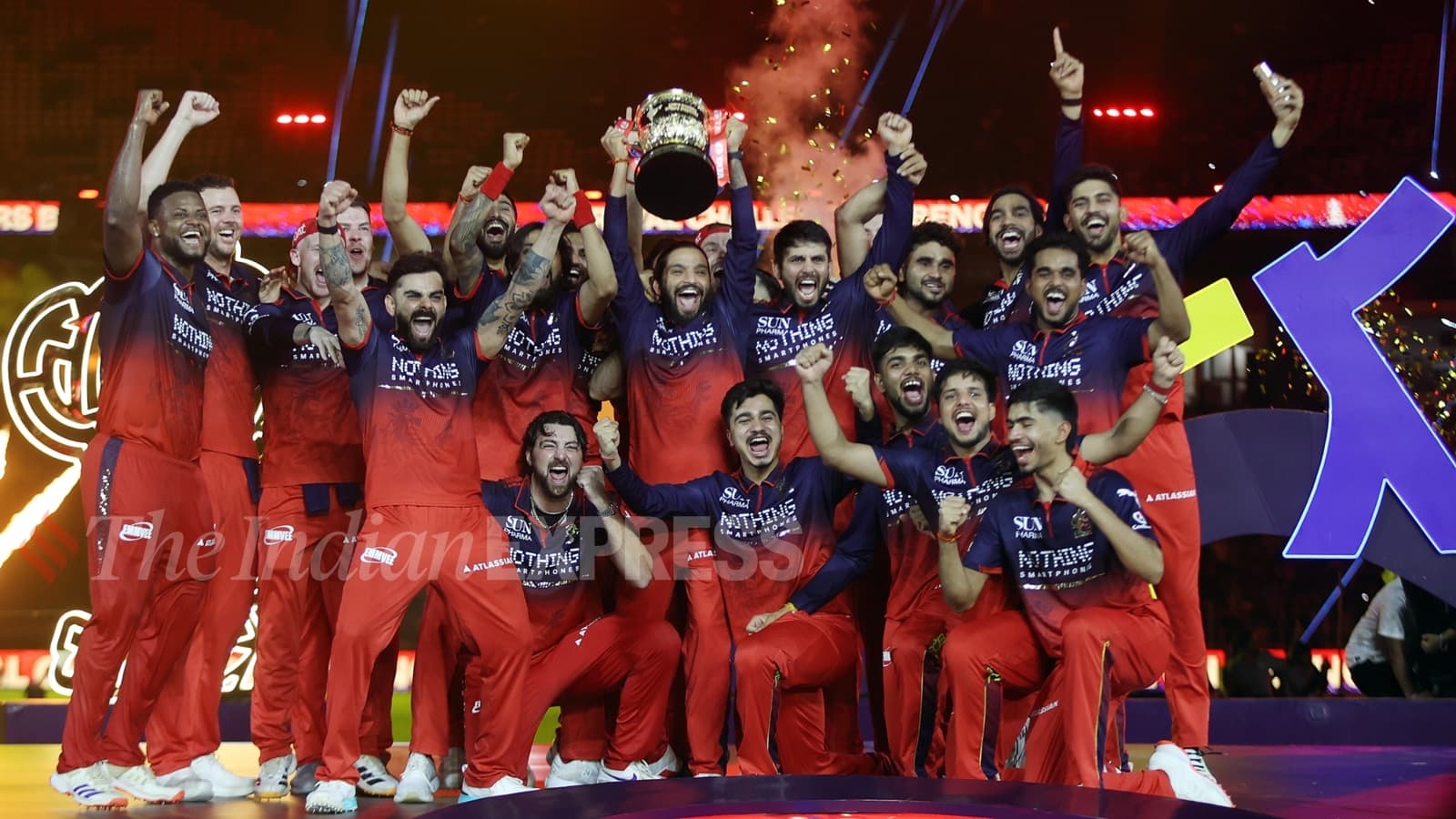
Rajat Patidar leads RCB to back-to-back IPL titles! Discover his leadership insights and goals for a historic third title in the upcoming season.
Indian Express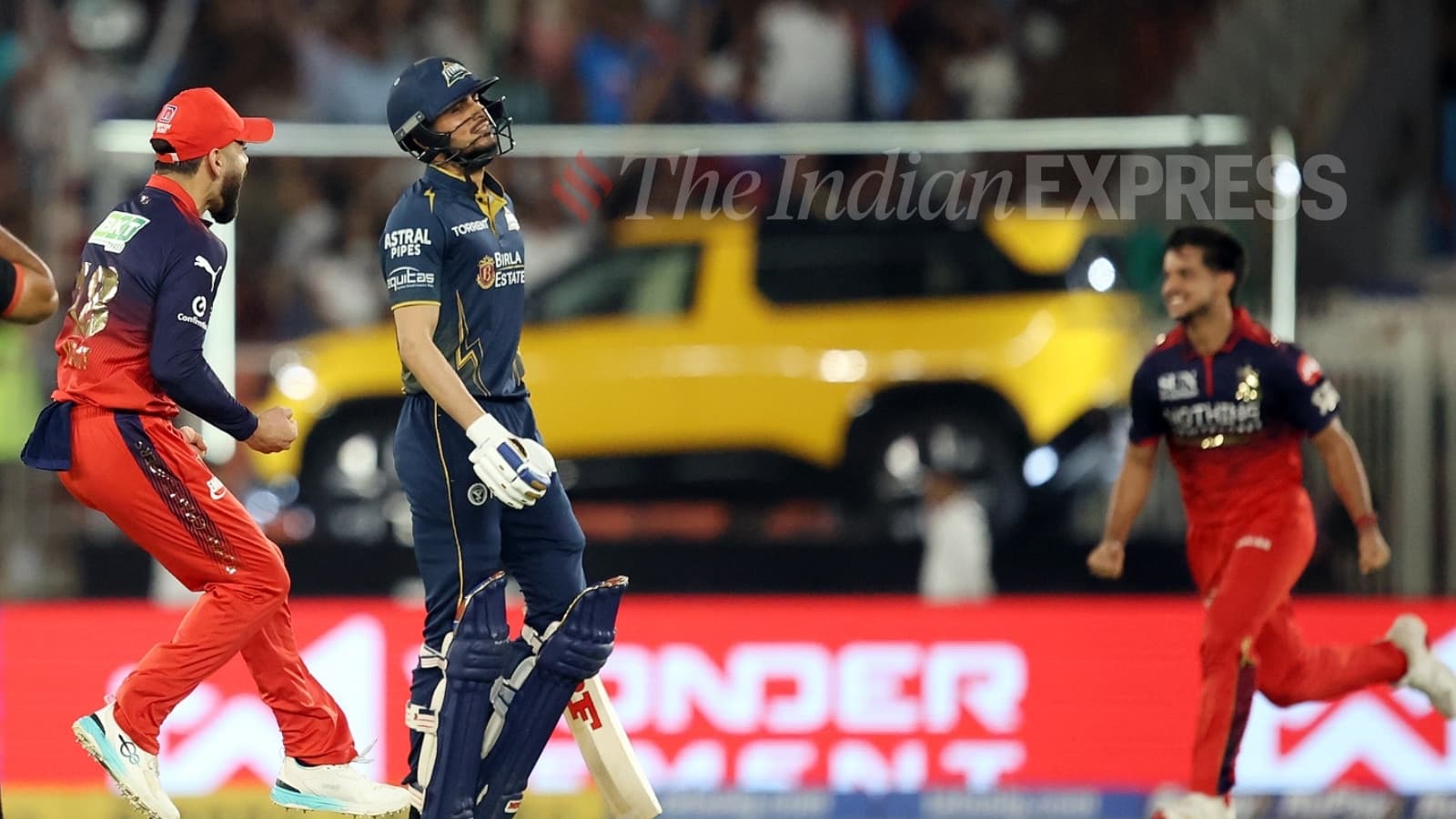
Gujarat Titans' Vikram Solanki reflects on their IPL 2026 final loss, acknowledging shortcomings and praising RCB's performance. What’s next for GT?
Indian Express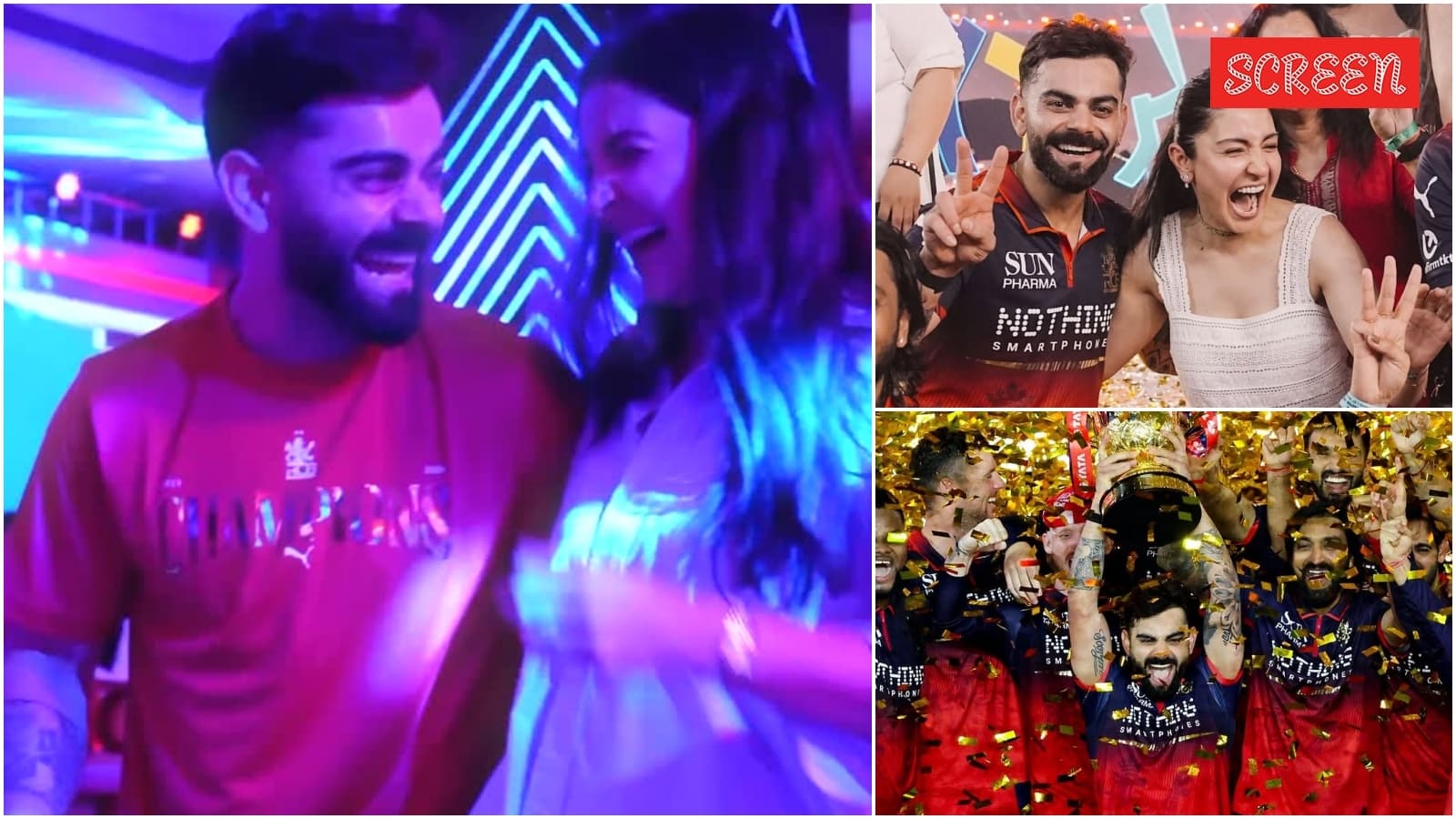
Virat Kohli and Anushka Sharma celebrate RCB's IPL 2026 victory with joy and emotion. Discover the highlights of this unforgettable night!
Indian Express