
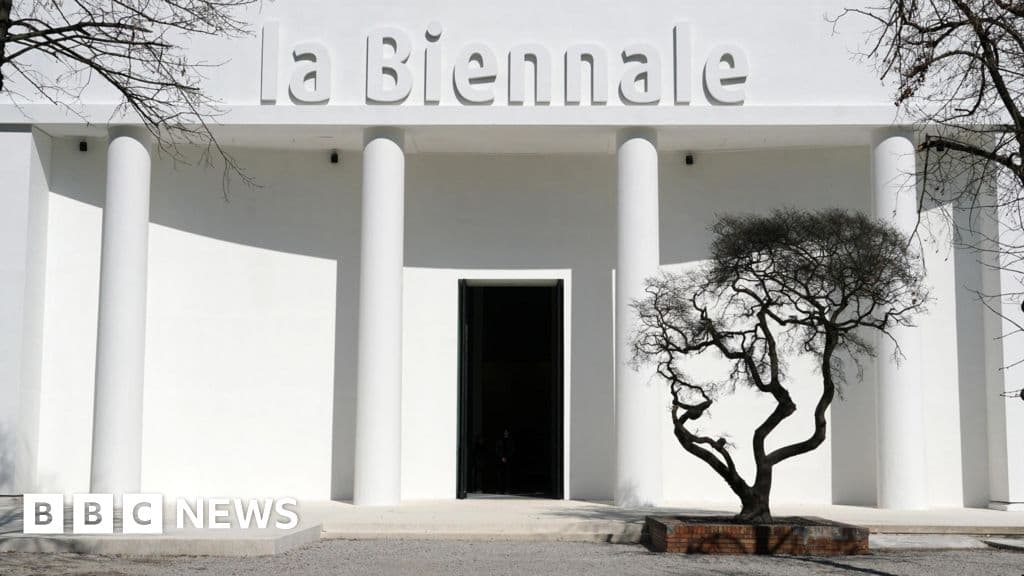
Image: BBC World
The Venice Biennale jury resigns just days before the event, igniting controversy over Russia's participation amid Ukraine conflict. Explore the fallout.
GlipzoIn a surprising twist just nine days ahead of its launch, the entire jury of the Venice Biennale has stepped down amidst rising tensions surrounding Russia's return to the prestigious art exhibition. This marks a significant moment in the event's history, as it grapples with the implications of geopolitical conflicts on the global art stage.
The jury's resignation was announced in a succinct statement emphasizing their commitment to a prior decision that disqualified nations whose leaders are currently accused of crimes against humanity. This includes not only Russia but also Israel, reflecting the jury's stance on ethical considerations in the realm of art and representation.
Giorgia Meloni, the Prime Minister of Italy, expressed her disapproval of Russia's participation, stating that the decision was not endorsed by her government. However, she acknowledged the autonomy of the Biennale and the competence of its leadership. This situation underscores the complexities of balancing artistic freedom with moral responsibility, especially in light of ongoing global conflicts.
The Venice Biennale, renowned for showcasing art from various countries in distinct national pavilions, has become a focal point of controversy recently. Just a day prior to the jury's resignation, a delegation from Italy's culture ministry visited Venice to discuss the reopening of the Russian pavilion, which has been a contentious issue. The minister's visit prompted him to announce a boycott of the Biennale, showcasing the deep divisions surrounding the event.
Adding to the turmoil, the European Union recently decided to withdraw a €2 million grant intended for the Biennale. This decision was influenced by the sentiment that allowing Russia to participate is ethically problematic given the ongoing war in Ukraine, where Russia's actions are viewed as attempts to erase Ukrainian cultural identity.
The Biennale has historically maintained that it is an inclusive platform, stating it “rejects any form of exclusion or censorship.” They argue that barring Russia from participation is not feasible, as the country owns its pavilion. This rationale has sparked intense debate among artists, critics, and politicians alike.
In the wake of the ongoing conflict, the 2022 Biennale saw the curator and artists involved in the Russian pavilion withdraw in protest against Vladimir Putin's regime. This left the pavilion vacant, a powerful statement against the invasion of Ukraine. For the upcoming event, Russia plans to showcase a performance titled The Tree is Rooted in the Sky, although there are indications that public access may be limited.
The International Criminal Court (ICC) has issued an arrest warrant for Putin, accusing him of war crimes, a move that Russia vehemently denies, labeling the warrants as “outrageous.” This backdrop adds to the urgency and significance of the Biennale's decisions surrounding participation and recognition of Russian art.
The war in Ukraine has had devastating effects on cultural heritage, with numerous museums and significant sites destroyed, and an alarming number of artists losing their lives. The ongoing conflict raises critical questions about the role of art and culture in times of war, and how international art platforms like the Venice Biennale can navigate these challenges.
As the Italian culture ministry investigates whether Russia's participation violates any sanctions, the implications of the Biennale's decisions resonate beyond the art world. The event is set to be a litmus test for how cultural institutions respond to political realities and their impact on global artistic expression.
With the jury's resignation leading to the cancellation of the traditional prize announcements scheduled for May 9, visitors will now have the opportunity to vote for their favorite pavilions instead. This shift towards audience participation represents a significant change in the event's dynamics and may redefine how success is measured in the context of international art showcases.
Looking ahead, the Venice Biennale stands at a crossroads. The decisions made in the coming weeks will likely influence not only the future of the exhibition but also the broader conversation about art and politics in a rapidly changing world. As the event unfolds, observers will be keenly watching how the Biennale navigates these turbulent waters, ensuring that its commitment to inclusivity and artistic expression remains intact.
Why It Matters: The Venice Biennale's decision-making process in the face of global conflict is a critical indicator of how art institutions can uphold ethical standards while maintaining their cultural significance. As they forge ahead, the Biennale will serve as a microcosm of the ongoing struggle between art, politics, and morality on the world stage.
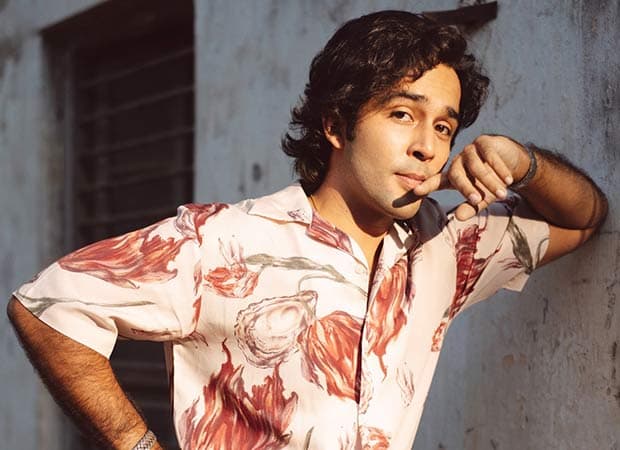
Zahan Kapoor reveals an unconventional role in his upcoming film, signaling a significant shift from his breakout success in Black Warrant. What’s next for this rising star?
Bollywood Hungama
Discover how Vishal Jethwa is transforming his physique for Shakti Shalini, emphasizing the mental discipline behind peak fitness.
Bollywood Hungama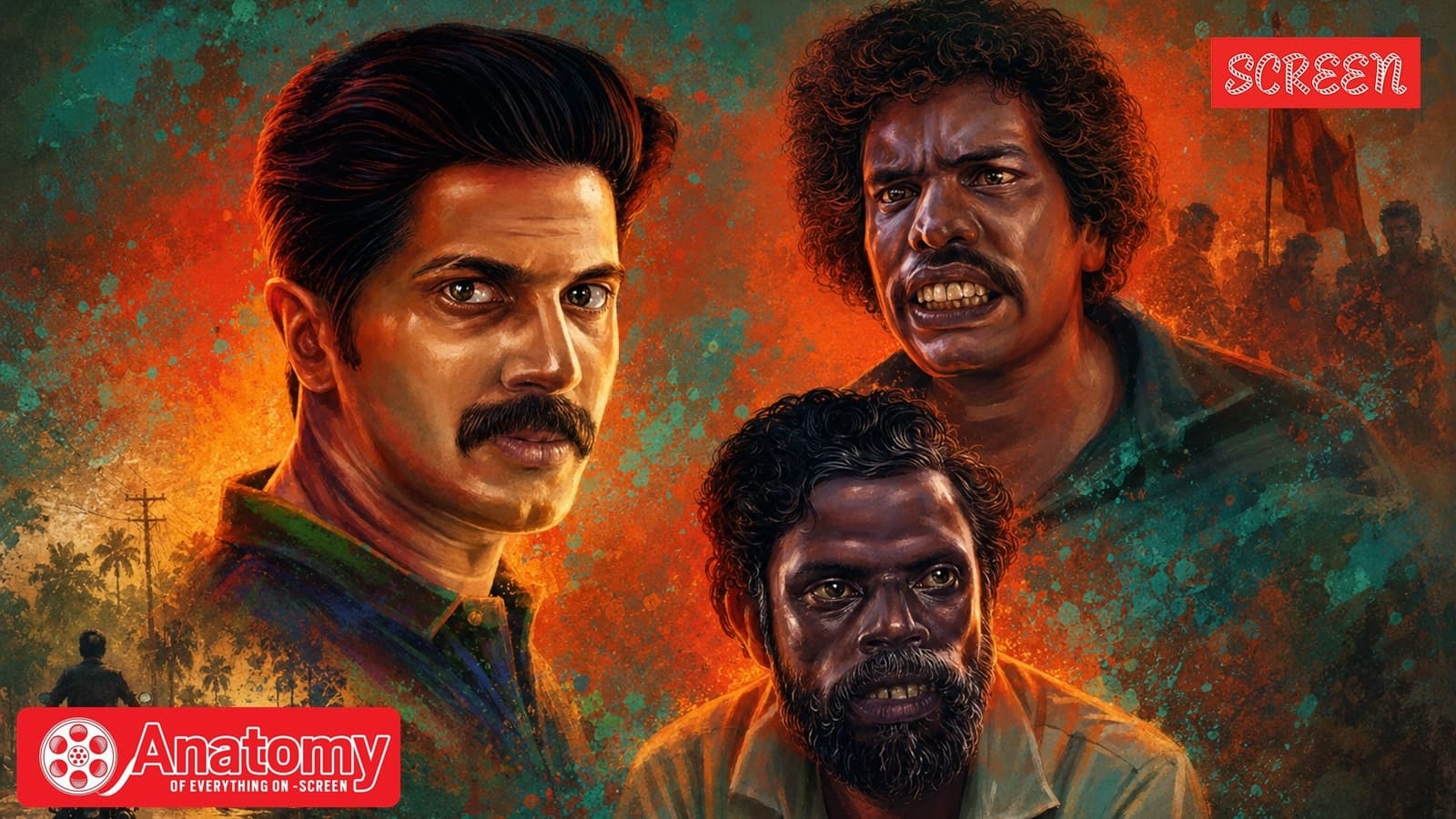
Discover the dark truths of urban development in Kammatipaadam, a film that reveals the often-overlooked sacrifices behind city growth.
Indian Express