
Image: BBC World
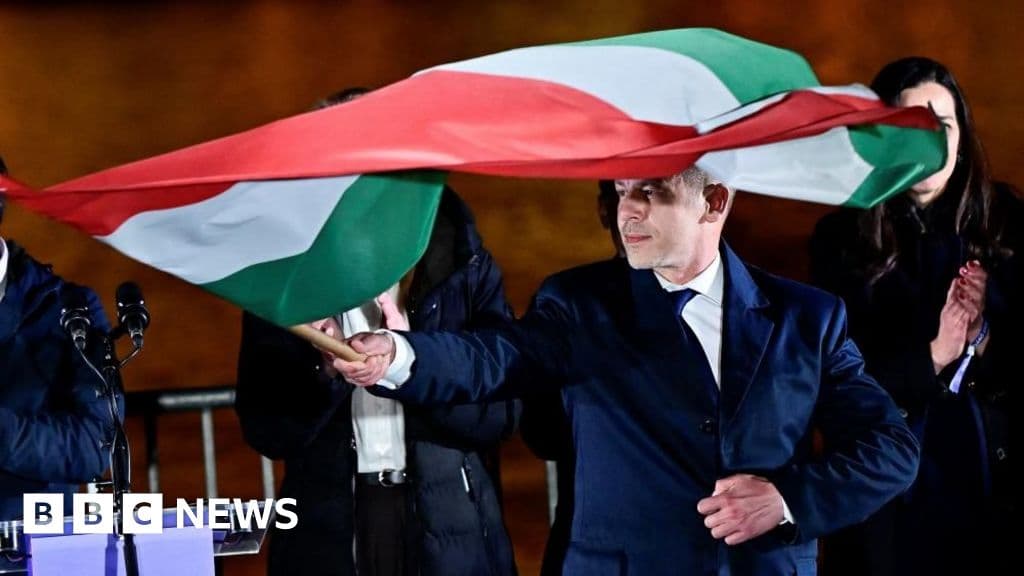
Hungary's new PM Péter Magyar prepares to take office after a historic election, ushering in a regime change and promising accountability and reforms.
GlipzoIn a pivotal moment for Hungarian politics, Péter Magyar, the newly elected prime minister, is poised to take the oath of office almost a month after leading his party, Tisza, to a stunning electoral victory. This win marks the end of Viktor Orbán’s 16-year reign and signals a significant shift in the governance of Hungary.
Tisza’s remarkable rise is underscored by its acquisition of 141 seats out of 199 in the new parliament, an impressive leap from its previous standing of zero just two years prior. This transformation highlights the electorate's desire for change and a break from the past.
On Saturday, a grand event celebrating “freedom and democracy” is scheduled to take place in front of the parliament in Budapest, situated along the picturesque banks of the Danube River. Magyar has encouraged Hungarians to embrace this historic moment as they traverse the “gateway of regime change.”
In stark contrast, Orbán’s party, Fidesz, has seen a dramatic decline in influence, plummeting from 135 seats to just 52. This collapse raises questions about the future of Fidesz and its prominent figures, many of whom have opted not to participate in the new parliament. Their political fate remains uncertain, as they struggle to redefine their identity amidst a backdrop of corruption allegations.
Every day seems to unveil new scandals concerning the previous administration. Magyar has vowed to implement a “change of system” alongside a government overhaul, emphasizing the need for transparency and accountability in governance.
As Magyar prepares to lead, he faces daunting economic challenges. “The main priority is to set up the government... on the ruins of the previous one,” stated Zoltán Tarr, the incoming Minister for Social Relations and Culture, in an interview with the BBC.
Hungary is grappling with a precarious financial situation, exacerbated by a spending spree initiated by the Orbán government in its final months. The state budget deficit has already neared the anticipated yearly target, raising alarms about fiscal sustainability.
To combat this, the new administration is keen on showcasing its moral superiority over Fidesz. A notable incident occurred when György Wáberer, a businessman who switched allegiances to Tisza just before the election, donated a substantial amount of £242,000 (approximately €280,000 or $331,000) to the party. Magyar promptly returned the funds, signaling a commitment to integrity in political finance.
The appointment of Márton Melléthei-Barna as justice minister initially sparked controversy, leading to widespread criticism on social media. In response, Melléthei-Barna announced his withdrawal from the candidacy, emphasizing the importance of a clean slate during this transition.
Despite the absence of revenge against the previous administration, Tisza ministers have pledged to hold those responsible for financial misconduct accountable. Plans are underway to establish a new office dedicated to recovering stolen assets, signaling a proactive approach to governance.
Tarr elaborated on the administration’s approach, saying, “We are talking about investigations and actions which are totally in line with the rule of law.” The incoming government is committed to pursuing justice without resorting to extreme measures. Interestingly, the current chief prosecutor and police have ramped up investigations that were previously dormant.
Sources indicate a notable increase in the number of prosecutions against high-profile figures, reflecting a broader willingness to confront corruption. “People are now coming forward, so a lot more evidence is suddenly available,” a source close to the prosecutor's office revealed to the BBC.
One notable target of the investigations is the media empire of Gyula Balásy, which has benefited from lucrative government contracts while promoting Fidesz’s political narratives. In a recent tearful interview, Balásy expressed intentions to hand over his companies to the state, denying any wrongdoing, while some of his accounts have been frozen pending investigations.
Further investigations are also focusing on Hungary's National Cultural Fund and its associated entities, including the controversial Urban Civil Fund. These inquiries highlight the ongoing scrutiny of government-related organizations that may have been involved in questionable activities during Fidesz’s tenure.
The Tisza administration aims to navigate these turbulent waters while establishing a government that prioritizes accountability and ethical conduct. Magyar's leadership will be closely watched as he tackles Hungary's political and economic challenges head-on.
As Hungary transitions into this new political era, the eyes of both domestic and international observers will be on the Tisza government. The effectiveness of Magyar’s reforms and his handling of the economic situation will be critical in determining the future stability of the country.
Moreover, how the new administration addresses the legacy of corruption from the previous regime will set a precedent for governance in Hungary. As this new chapter unfolds, it is clear that the path forward will require both courage and resilience from the incoming leaders.
With the upcoming celebration and the parliament's opening session, Hungary stands on the brink of a significant transformation. The question now is: can the new government live up to the expectations of a populace yearning for genuine change?

Tensions soar as the US and Iran engage in air strikes near the Strait of Hormuz, raising concerns over global oil supply and regional stability.
BBC World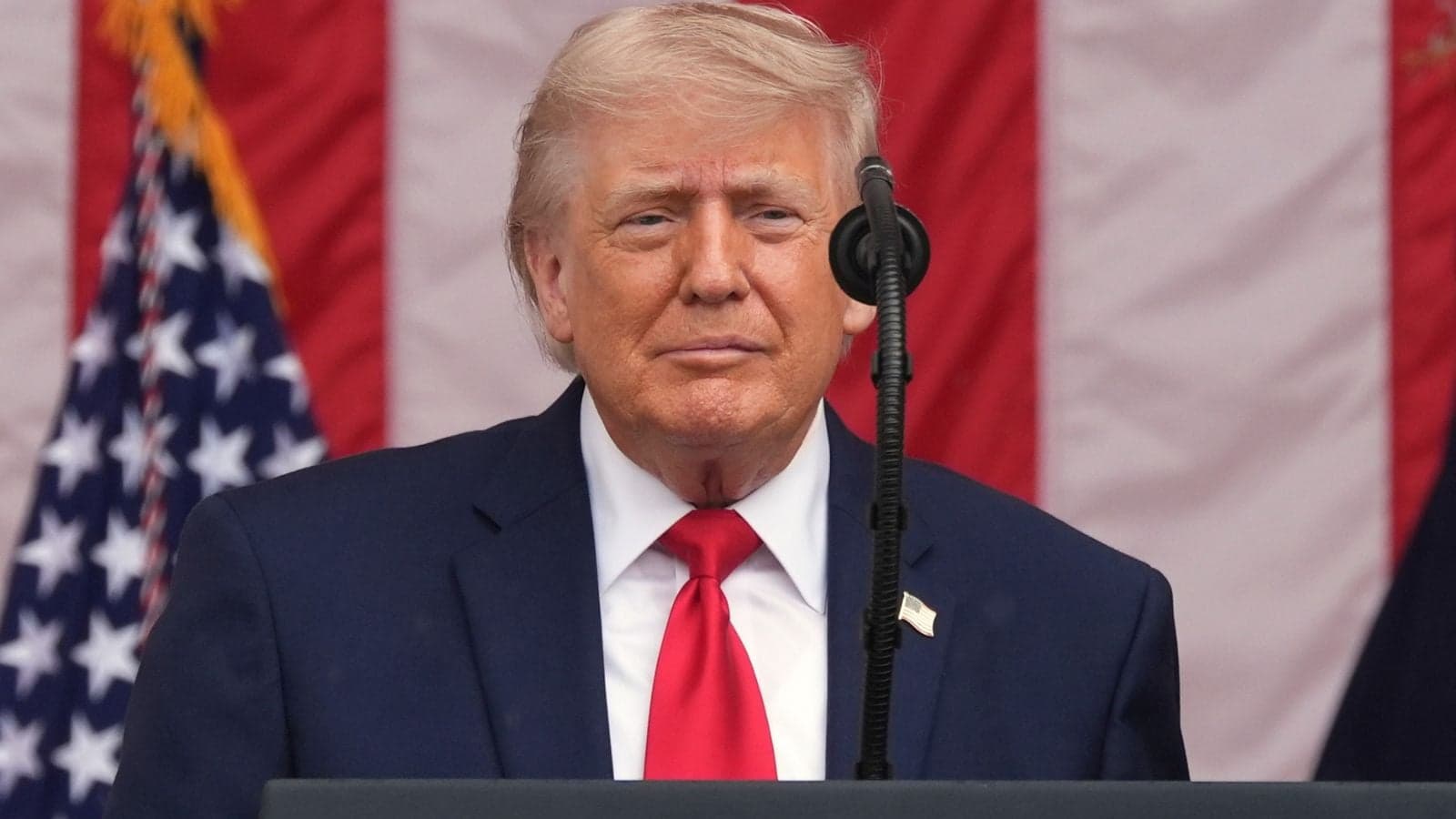
Trump's international interventions face serious stalemates. What will this mean for U.S. foreign policy? Explore the critical challenges ahead.
Indian Express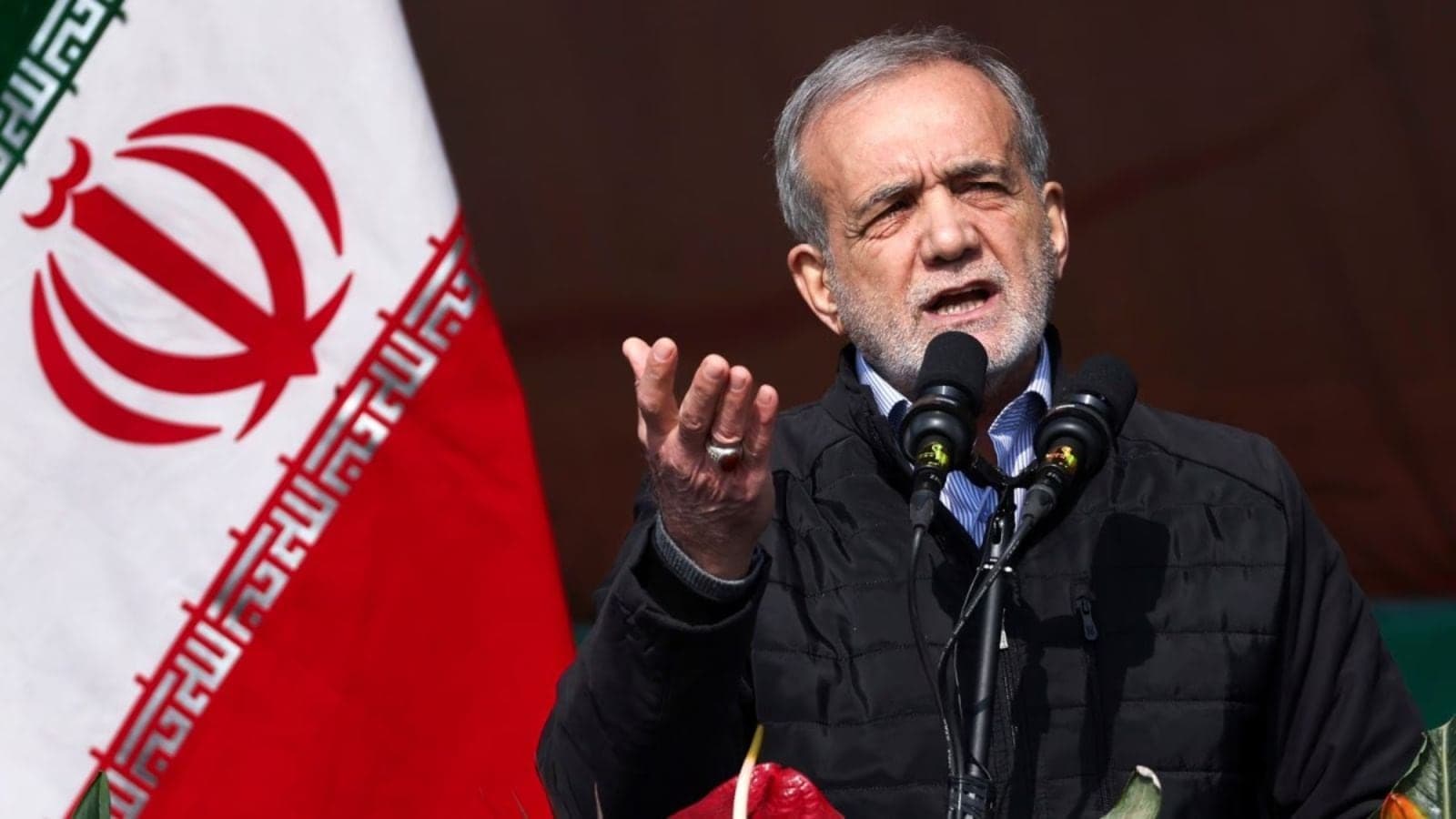
Tehran denies resignation of President Masoud Pezeshkian amid claims of IRGC influence. What does this mean for Iran's political stability? Click to learn more!
Indian Express