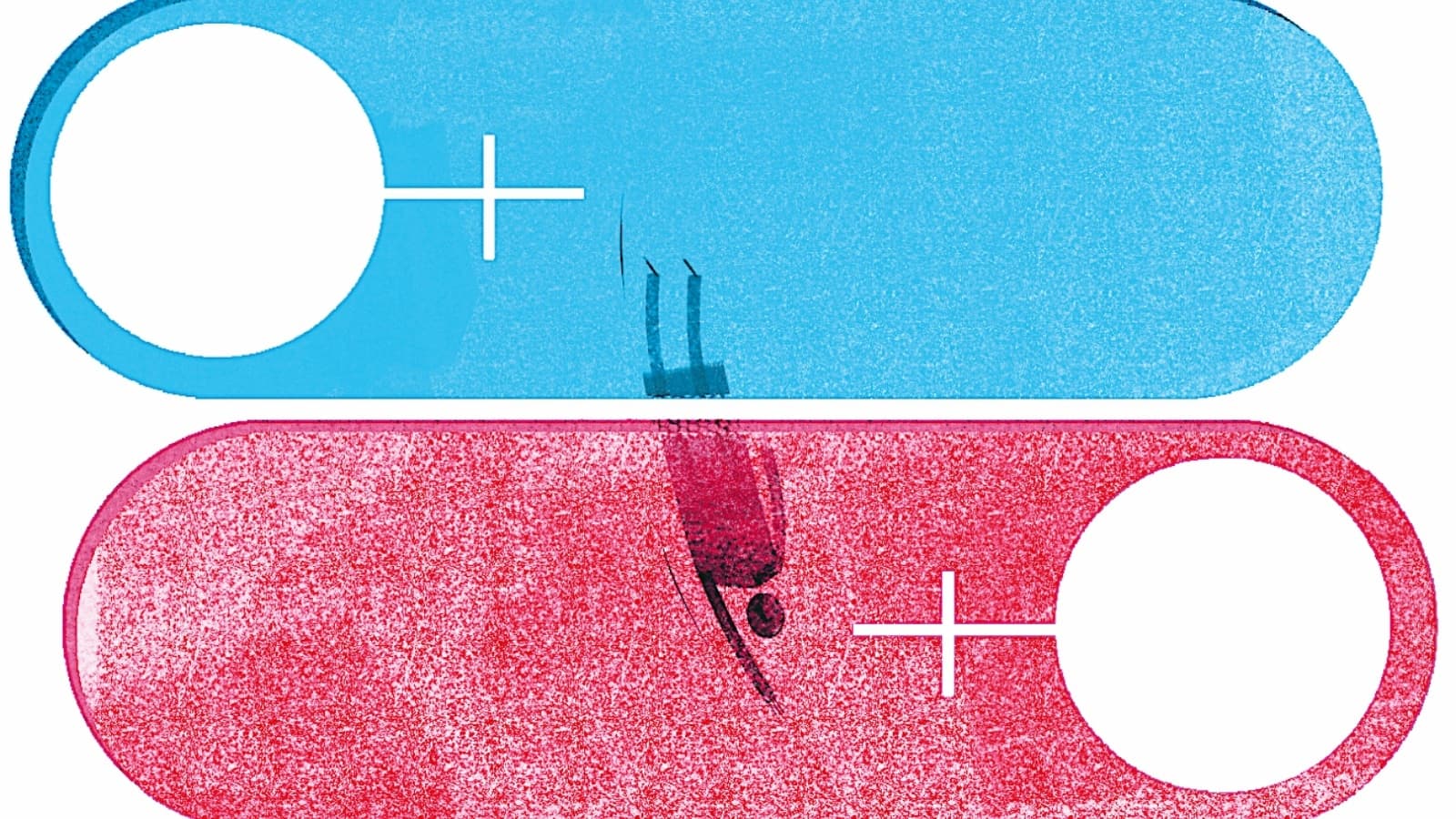
The Women's Quota Bill's defeat has ignited a debate on women's rights, revealing the urgency for genuine empowerment and representation in India.
The Context of the Women's Quota Bill Defeat
The recent **defeat of The Constitution (131st Amendment) Bill, 2026** in Parliament has sparked a heated debate across India, particularly regarding women's representation in governance. This bill aimed to allocate **33% of seats to women** in legislative bodies, a move that was deemed necessary to empower nearly half of the country's population. However, the government's claims of the bill's importance were met with resistance from the Opposition, leading to its rejection. In the aftermath, **BJP leaders** resorted to controversial comparisons, likening the Opposition’s actions to **“bhrun hatya”** (foeticide) and **“cheer haran”** (disrobing). These remarks have drawn significant backlash, as many argue that they trivialize the serious issues women face in society.
The Weight of Words: The Misuse of Terms
The comparisons made by political leaders raise serious questions about the sincerity of their intentions toward women's rights. The term **“bhrun hatya”** refers to the heinous practice of female foeticide, a crime deeply rooted in societal norms and gender discrimination. For countless women in India, the shadow of **gender-based violence** looms large, and invoking such a term in a political context diminishes its gravity.
Many women, like the author, have lived through societal pressures questioning their families for not having sons, showcasing how deeply ingrained these attitudes are. The reality of being a “Lost Girl”, a term reflecting the countless female fetuses lost to gender bias, is a heavy burden that cannot be compared to political disagreements.
Conversely, the term “cheer haran”, while rooted in historical narratives, reflects a troubling reality where women are often held responsible for their own safety. Recent incidents involving college women being advised against wearing certain clothing due to the actions of men underscore the ongoing struggle for women's autonomy over their bodies. This duality of expectation and reality highlights the urgent need for systemic change.
The Potential Impact of the Quota
While the **33% reservation for women** in the Indian Parliament could potentially lead to significant shifts in governance, it is not a panacea. Historical data indicates that the presence of women in leadership roles often correlates with improved governance and increased access to services for women. However, true empowerment requires more than just legislative quotas; it necessitates a cultural shift in how society perceives and treats women.
- **Empirical evidence supports** that women in power lead to better governance.
- **Women’s representation** can change priorities and policies that benefit the female population.
- **A quota alone** cannot rectify the deeply entrenched attitudes towards gender in India.
A Call for Genuine Change
For real progress to occur, it is crucial that those in power—regardless of political affiliation—act with sincerity towards women’s issues. This includes recognizing and addressing the challenges posed by legislation that could be perceived as **anti-love jihad**, which suggests that families doubt women's ability to make their own choices in partnerships.
Moreover, the emphasis placed on religious and cultural terms in women-centric legislation, such as the Nari Shakti Vandan Adhiniyam, reinforces the notion that women should be pious and submissive. This framing not only detracts from the urgency of women's rights but also risks placing the onus of morality on women themselves.
- **Legislation should empower** women as individuals rather than define them solely by their familial roles.
- **Reframe discussions** around women's rights to focus on individual identity and autonomy.
Addressing Violence Against Women
India's **National Crime Records Bureau** reported over **4.45 lakh crimes against women in 2022**, with **31.8%** of these being acts of cruelty by husbands or relatives. This alarming statistic starkly contrasts with the affectionate terms used to refer to women like **“maa”**, **“behen”**, and **“beti”**, which often mask the violence they endure. There is an urgent need not only to tighten laws against **sexual assault** but also to ensure their effective implementation, thereby protecting victims rather than shaming them.
The Road Ahead: More Women in Politics
As India looks to the future, one crucial step is to increase the number of women in political roles. The success of leaders like **Mamata Banerjee**, the only woman currently serving as a chief minister, demonstrates that women can lead effectively when given the opportunity. Her consistent election victories while prioritizing female candidates highlight the potential for meaningful change when women are represented.
India currently ranks 131st out of 148 countries in the Global Gender Gap Report 2025, underscoring the urgent need for action. As the nation grapples with its gender issues, the focus should shift toward empowering women, not just through quotas but by fostering an environment that values women's contributions and rights.
Conclusion: Future Implications
The defeat of the Women's Quota Bill serves as a wake-up call for India. It highlights the need for a collective reevaluation of how women are perceived in society and politics. As discussions continue, it is crucial for all stakeholders to recognize that true progress lies not just in legislation but in changing societal attitudes toward women. The future will depend on how effectively we can integrate women's voices and experiences into the fabric of India’s governance.