

Image: TechCrunch
Nothing CEO Carl Pei predicts a future where AI replaces apps. Discover how this shift could redefine smartphones and user experiences.
GlipzoIn a groundbreaking statement at the SXSW conference in Austin, Carl Pei, the co-founder and CEO of Nothing, revealed a radical vision for the future of smartphones. Rather than relying on traditional applications, Pei envisions a world where AI agents take center stage, fundamentally reshaping how we interact with technology. This prediction raises significant questions about the direction of mobile technology and its implications for both consumers and developers.
Pei’s assertion that “apps are going to disappear” signals a major shift in the technology landscape. He underscored that for entrepreneurs and startups, those relying heavily on app-based models face inevitable disruption. “If your app is where the core value lies, that will be disrupted whether you like it or not,” he warned. This declaration highlights a transformative moment in the tech industry, where adaptability is critical for survival.
During his interview, Pei elaborated on the concept of an AI-first device, a vision that helped propel Nothing’s impressive $200 million Series C funding round last year. At that time, the company was championing the idea of smartphones that leverage AI and personalization technology, aiming to create experiences so seamless that users wouldn’t feel the need to double-check outputs.
Pei outlined a phased approach to achieving this AI-driven future, with the initial step involving AI features that can autonomously execute tasks, such as booking flights or hotels. However, he dismissed this initial phase as “super boring,” indicating that real innovation lies in the AI’s ability to learn user intentions over time. For instance, if a user expresses a desire to improve their health, the AI could proactively suggest activities or reminders to support that goal.
“I think it gets even more powerful when it starts surfacing suggestions for you,” Pei emphasized, comparing this future to ChatGPT’s memory feature. The goal is for the device to anticipate needs and desires, offering suggestions that users may not even have considered. This would dramatically alter how users interact with their devices, moving from a manual command approach to a more autonomous experience.
Pei critiques the traditional smartphone interface, likening current usage to outdated technologies like Palm Pilots and PDAs. He expressed frustration over the cumbersome process of completing even simple tasks, noting that grabbing a coffee could require navigating through multiple apps, from messaging to mapping to ride-sharing. “It’s very hard to get things done on a phone,” he lamented, pushing for a future where the technology understands user intent and acts on it without cumbersome navigation.
To realize this vision, Pei argues that the user interface must evolve away from traditional app-centric designs. Instead, he advocates for creating environments that are tailored for AI agents rather than human users. This means moving beyond the familiar lock screens, home screens, and app stores that have characterized mobile devices for over 20 years.
In his words, “The future should just be: ‘I know you very well, and if I know your intention, I just do it for you,’” emphasizing that the focus should shift from manual navigation to intelligent execution. He believes that as AI agents become more sophisticated, they should interact with devices in a way that’s entirely frictionless, eliminating the need for a human interface.
Despite his bold predictions, Pei acknowledges that apps are not disappearing overnight. Nothing’s operating system still allows users to code their own mini-apps, showing that while the landscape is changing, there is still room for traditional applications in the short-term.
However, Pei's vision of an AI agent navigating technology without a human-like interface suggests a pivotal change on the horizon. “The future is not the agent using a human interface. You need to create an interface for the agent to use,” he stated, emphasizing the need for innovation that is future-proof.
This shift could have profound implications for developers, businesses, and consumers alike. As AI technology continues to evolve, it will be crucial for stakeholders to adapt to these changes or risk becoming obsolete.
As we look to the future, it’s clear that the technology landscape is on the brink of a significant transformation. With leaders like Carl Pei at the forefront, the push towards AI-first devices is not merely a trend but a necessary evolution in how we engage with technology.
In the coming years, we should watch for: - Innovations in AI technology that enhance personalization and user experience. - A shift in app development strategies as companies pivot to accommodate AI agents. - New interfaces that facilitate interaction between users and AI without traditional app navigation.
As this vision unfolds, it will be essential for consumers to stay informed and adaptable in the face of these exciting changes. The future not only promises to redefine our devices but also the very way we live our daily lives, making us rethink the role of technology in our world.
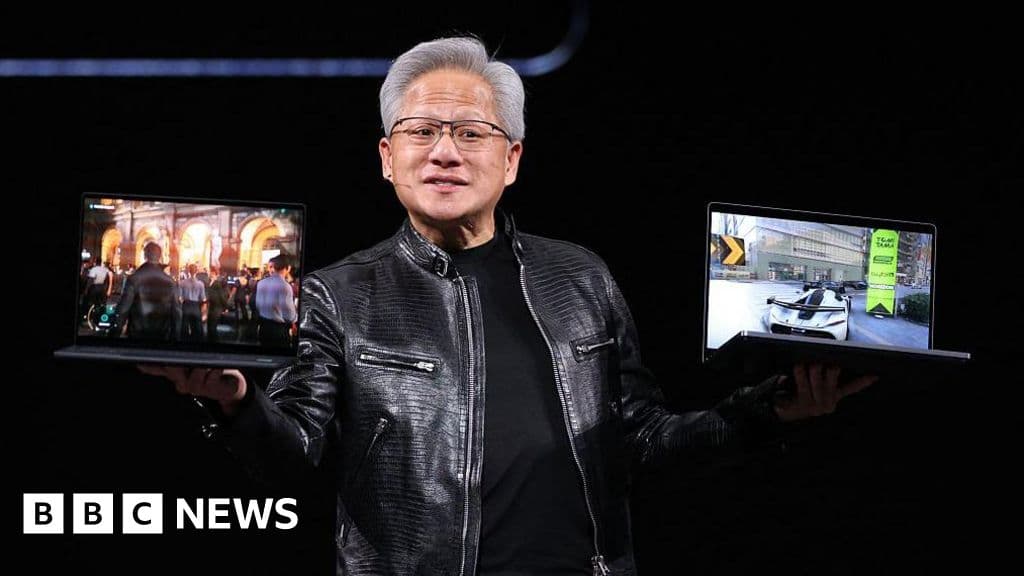
Nvidia's new RTX Spark chip aims to transform personal computing with AI, marking a significant shift in technology. Discover what this means for consumers.
BBC Business
The explosion of Blue Origin's New Glenn rocket raises significant concerns over NASA's lunar ambitions and the future of Amazon's satellite projects. Discover the implications.
BBC Science
Discover how Meta's lack of engagement on user bans raises critical concerns about accountability and transparency in social media governance.
BBC Technology