
Image: BBC Science
Pollution in Herefordshire's river Lugg forces families into sheds. Discover the impact and legal actions aiming to address this growing crisis.
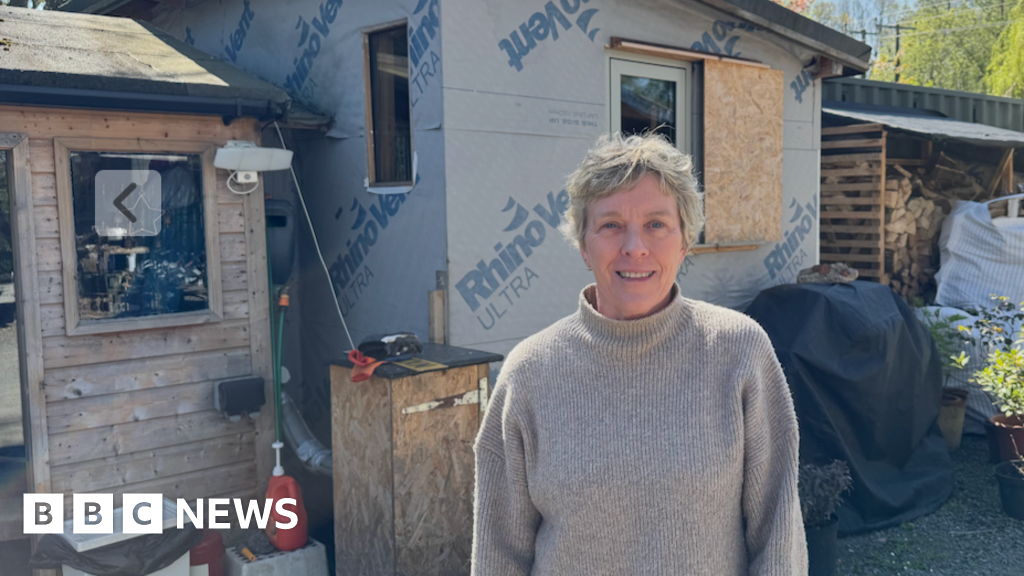
GlipzoAmong those affected are Jane and Tony Coyle, who are currently enduring life in a caravan and now a shed while they await the necessary planning permissions to construct their home. "This delay has cost us time, money, and health," Jane lamented, expressing the emotional toll that ongoing setbacks have had on their family.
The Coyles originally purchased a plot of land in 2018, intending to build a five-bedroom bungalow in Edwyn Ralph. However, they have since re-applied for permission to construct a more sustainable three-bedroom home. This project, which incorporates eco-friendly materials like sustainable wood, air source heating, and solar panels, has been stalled due to ongoing restrictions. After years of waiting, the couple finally received permission in 2025, but the financial burden has been substantial, costing them tens of thousands in legal fees, phosphate credits, and increased building materials.
Jane Coyle shared her deep-rooted connection to the land, stating, "We lived near the Wye for 20 years and saw it deteriorate, but we didn't imagine that river pollution would affect us so much. I studied agriculture, and waterways are really important to us." This sentiment is echoed by many residents who have witnessed the degradation of their local environment.
The Lugg Moratorium, enacted by Herefordshire Council, has aimed to protect the river from further degradation. Developers can buy credits to offset the phosphates and nitrates caused by construction, with proceeds directed toward creating wetlands to mitigate the environmental impact. However, the consequences of these restrictions have been significant. According to Leominster Town Council, the moratorium has placed 2,000 housing developments and renovations on hold, adversely impacting the local economy.
The economic ramifications of the pollution crisis extend beyond housing; local businesses such as shops, pubs, and restaurants are feeling the pinch. Smith-Winnard emphasized the importance of tourism for the local economy, lamenting, "Who would want to canoe or swim in a dirty river?" This statement encapsulates the broader implications of the pollution issue—natural resources, if neglected, will deteriorate and fail to recover.
In response to the allegations, Welsh Water has defended its commitment to improving water quality, citing an investment of £76 million over the past five years. The not-for-profit utility company firmly believes that any financial penalties resulting from this legal battle would directly impact its ability to provide essential services.
In the coming weeks, all eyes will be on the High Court as this pivotal case unfolds. The outcome could have significant implications for the residents of Herefordshire, the future of the river Lugg, and the practices of the poultry industry in the region. As pollution continues to threaten their way of life, residents are determined to fight for cleaner waters and a sustainable future for their community.

Tensions soar as the US and Iran engage in air strikes near the Strait of Hormuz, raising concerns over global oil supply and regional stability.
BBC World
Trump's international interventions face serious stalemates. What will this mean for U.S. foreign policy? Explore the critical challenges ahead.
Indian Express
Tehran denies resignation of President Masoud Pezeshkian amid claims of IRGC influence. What does this mean for Iran's political stability? Click to learn more!
Indian Express