
Glipzo
WorldTechnologyBusinessSportsEntertainmentScienceHealthPolitics
Glipzo
WorldTechnologyBusinessSportsEntertainmentScienceHealthPolitics
  1. Home
  2. /
  3. Politics
  4. /
  5. Shocking Plan: U.S. & Israel Wanted Ahmadinejad Back in Power
Shocking Plan: U.S. & Israel Wanted Ahmadinejad Back in Power

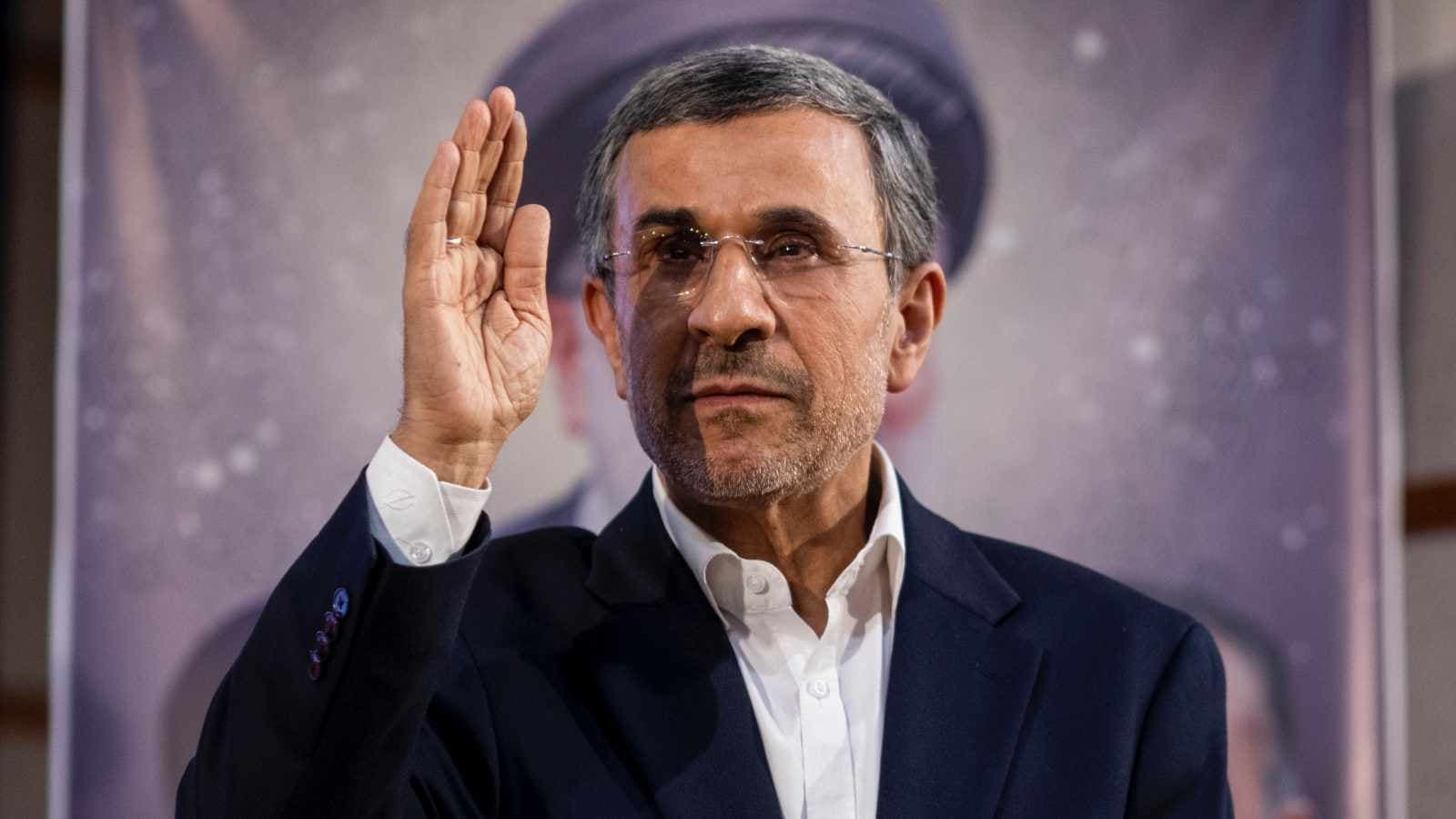
Image: Indian Express

Politics
Wednesday, May 20, 20264 min read

Shocking Plan: U.S. & Israel Wanted Ahmadinejad Back in Power

Uncover the audacious U.S.-Israeli plan to install Ahmadinejad back in power amid the Iran conflict. What does it mean for the future of Iran?

Glipzo News Desk|Source: Indian Express

Share
Glipzo

Key Highlights

  • U.S. & Israel planned to install Ahmadinejad as Iran's leader.
  • Ahmadinejad was injured in an Israeli strike on the first day of war.
  • U.S. officials misjudged Iran's political landscape and leadership.
  • The war's objectives included dismantling Iran's military capabilities.
  • Ahmadinejad's absence raises concerns about Iran's future stability.

In this article

  • Unveiling a Controversial Strategy in the Iran Conflict In the wake of **Israeli attacks** that resulted in the deaths of Iran’s supreme leader and several high-ranking officials, then-President **Donald Trump** publicly speculated about the prospect of a takeover in Iran by someone from within the country. This sentiment hinted at a broader strategy orchestrated by the **United States** and **Israel**, aiming to install **Mahmoud Ahmadinejad**, the former Iranian president known for his hardline stance against the West, as the new leader of Iran. The audacity of this plan took many by surprise. Ahmadinejad, who served as president from **2005 to 2013**, had a controversial tenure marked by his inflammatory rhetoric, including calls to “wipe Israel off the map.” Despite his previous clashes with the current Iranian leadership and his recent house arrest, U.S. officials had been briefed about a plan to leverage his leadership in the chaotic aftermath of the conflict. However, the scheme quickly unraveled after an Israeli airstrike intended to liberate him from house arrest led to him being injured on the very first day of the war.
  • Ahmadinejad's Mysterious Fate After the Strike According to sources familiar with the situation, Ahmadinejad survived the initial strike but became disillusioned with the regime change initiative. Since then, he has not made a public appearance, and his current condition and location remain shrouded in mystery. The fact that Ahmadinejad was even considered for this role illustrates the depth of desperation among U.S. and Israeli officials regarding their Iran strategy.
  • The Backdrop of Tension and Miscalculations The backdrop of this plan is critical to understanding its implications. The conflict, dubbed **Operation Epic Fury**, aimed to dismantle Iran's military capabilities and counter its influence in the region. Anna Kelly, a spokesperson for the White House, stated that the U.S. military had achieved its objectives, including the destruction of missile production facilities and significant blows to Iran's naval power. Trump, buoyed by the perceived success of U.S. military operations elsewhere, such as the mission against **Venezuelan leader Nicolas Maduro**, sought to replicate those outcomes in Iran. However, the choice of Ahmadinejad as a potential leader shows a miscalculation on the part of U.S. officials regarding the complexities of Iranian politics and society.
  • The Challenges of Regime Change Ahmadinejad's history complicates the narrative surrounding U.S. and Israeli efforts to engineer a regime change in Tehran. His administration was marked by extreme nationalism and hostility towards the West, making him a contentious figure even among those within Iran. - His disqualification from recent elections and the arrests of his aides reflect the Iranian regime's ongoing efforts to suppress dissent and control political narratives. - The skepticism surrounding the feasibility of re-establishing Ahmadinejad as a powerful leader speaks volumes about the broader challenges of implementing a successful regime change strategy. With the war still in its early stages, the pursuit of a friendly government in Tehran remains fraught with obstacles. U.S. officials had expressed interest in finding a more pragmatic leader, but the fallout from the conflict raises pressing questions about the viability of such plans.
  • Why It Matters: The Future of U.S.-Iran Relations The implications of these revelations are profound. The U.S. and Israel's attempts to influence Iran's political landscape underscore the complexity of Middle Eastern geopolitics. As the conflict unfolds, the potential for further instability in the region looms large. As analysts look ahead, several key factors will shape the future of U.S.-Iran relations: - **Continuing military operations**: How will the U.S. and its allies respond to Iranian resistance? - **Internal Iranian dynamics**: Will Ahmadinejad’s absence create a power vacuum that could lead to unpredictability within Iran? - **International response**: How will other global powers react to the ongoing conflict and the U.S. strategy? Ultimately, the situation remains fluid, and the outcomes of these events will have lasting repercussions for both regional and global stability. The world will be watching closely as the narrative continues to evolve.

Unveiling a Controversial Strategy in the Iran Conflict In the wake of **Israeli attacks** that resulted in the deaths of Iran’s supreme leader and several high-ranking officials, then-President **Donald Trump** publicly speculated about the prospect of a takeover in Iran by someone from within the country. This sentiment hinted at a broader strategy orchestrated by the **United States** and **Israel**, aiming to install **Mahmoud Ahmadinejad**, the former Iranian president known for his hardline stance against the West, as the new leader of Iran. The audacity of this plan took many by surprise. Ahmadinejad, who served as president from **2005 to 2013**, had a controversial tenure marked by his inflammatory rhetoric, including calls to “wipe Israel off the map.” Despite his previous clashes with the current Iranian leadership and his recent house arrest, U.S. officials had been briefed about a plan to leverage his leadership in the chaotic aftermath of the conflict. However, the scheme quickly unraveled after an Israeli airstrike intended to liberate him from house arrest led to him being injured on the very first day of the war.

Ahmadinejad's Mysterious Fate After the Strike According to sources familiar with the situation, Ahmadinejad survived the initial strike but became disillusioned with the regime change initiative. Since then, he has not made a public appearance, and his current condition and location remain shrouded in mystery. The fact that Ahmadinejad was even considered for this role illustrates the depth of desperation among U.S. and Israeli officials regarding their Iran strategy.

  • Ahmadinejad was known for his anti-American and anti-Israeli sentiments.
  • His previous presidency was characterized by aggressive support for Iran's nuclear ambitions, as well as a brutal crackdown on dissent.
  • The decision to involve him in a leadership plan raises questions about the judgment of U.S. and Israeli policymakers.

The Backdrop of Tension and Miscalculations The backdrop of this plan is critical to understanding its implications. The conflict, dubbed **Operation Epic Fury**, aimed to dismantle Iran's military capabilities and counter its influence in the region. Anna Kelly, a spokesperson for the White House, stated that the U.S. military had achieved its objectives, including the destruction of missile production facilities and significant blows to Iran's naval power. Trump, buoyed by the perceived success of U.S. military operations elsewhere, such as the mission against **Venezuelan leader Nicolas Maduro**, sought to replicate those outcomes in Iran. However, the choice of Ahmadinejad as a potential leader shows a miscalculation on the part of U.S. officials regarding the complexities of Iranian politics and society.

The Challenges of Regime Change Ahmadinejad's history complicates the narrative surrounding U.S. and Israeli efforts to engineer a regime change in Tehran. His administration was marked by extreme nationalism and hostility towards the West, making him a contentious figure even among those within Iran. - His disqualification from recent elections and the arrests of his aides reflect the Iranian regime's ongoing efforts to suppress dissent and control political narratives. - The skepticism surrounding the feasibility of re-establishing Ahmadinejad as a powerful leader speaks volumes about the broader challenges of implementing a successful regime change strategy. With the war still in its early stages, the pursuit of a friendly government in Tehran remains fraught with obstacles. U.S. officials had expressed interest in finding a more pragmatic leader, but the fallout from the conflict raises pressing questions about the viability of such plans.

Why It Matters: The Future of U.S.-Iran Relations The implications of these revelations are profound. The U.S. and Israel's attempts to influence Iran's political landscape underscore the complexity of Middle Eastern geopolitics. As the conflict unfolds, the potential for further instability in the region looms large. As analysts look ahead, several key factors will shape the future of U.S.-Iran relations: - **Continuing military operations**: How will the U.S. and its allies respond to Iranian resistance? - **Internal Iranian dynamics**: Will Ahmadinejad’s absence create a power vacuum that could lead to unpredictability within Iran? - **International response**: How will other global powers react to the ongoing conflict and the U.S. strategy? Ultimately, the situation remains fluid, and the outcomes of these events will have lasting repercussions for both regional and global stability. The world will be watching closely as the narrative continues to evolve.

Did you find this article useful? Share it!

Share

Related Articles

Critical Air Strikes Erupt Between US and Iran in Gulf Region
Politics
Jun 1, 2026

Critical Air Strikes Erupt Between US and Iran in Gulf Region

Tensions soar as the US and Iran engage in air strikes near the Strait of Hormuz, raising concerns over global oil supply and regional stability.

BBC World

Trump Faces Stalemate in International Military Strategy
Politics
Jun 1, 2026

Trump Faces Stalemate in International Military Strategy

Trump's international interventions face serious stalemates. What will this mean for U.S. foreign policy? Explore the critical challenges ahead.

Indian Express

Tehran Denies Rumors of President Pezeshkian’s Resignation
Politics
Jun 1, 2026

Tehran Denies Rumors of President Pezeshkian’s Resignation

Tehran denies resignation of President Masoud Pezeshkian amid claims of IRGC influence. What does this mean for Iran's political stability? Click to learn more!

Indian Express

Categories

  • World
  • Technology
  • Business
  • Sports

More

  • Entertainment
  • Science
  • Health
  • Politics

Explore

  • Web Stories
  • About Us
  • Contact

Legal

  • Privacy Policy
  • Terms of Service
  • Disclaimer

© 2026 Glipzo. All rights reserved.