
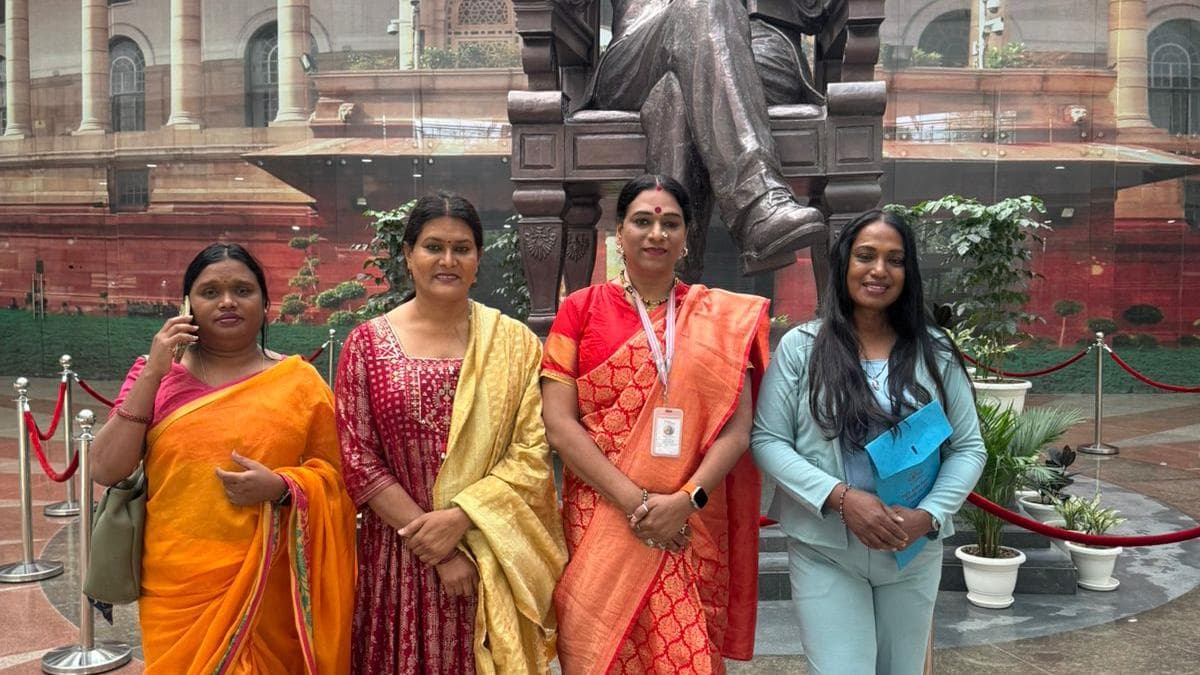
Image: The Hindu
Union Minister Virendra Kumar skips a vital meeting on the controversial Transgender Rights Bill, intensifying backlash from the community. What’s next?
GlipzoOn March 21, 2026, a pivotal meeting was set to take place between the Union government and members of the National Council of Transgender Persons (NCTP) in New Delhi. This gathering was crucial, especially in light of the recent controversy surrounding the Transgender Persons (Protection of Rights) Amendment Bill. This bill has drawn significant backlash due to its proposal to remove the right to a self-perceived gender identity, a move that many advocates and community members see as a rollback of hard-won rights.
The meeting was initially scheduled with Virendra Kumar, the Union Minister of Social Justice and Empowerment. However, in a surprising turn of events, the Minister did not attend the gathering. This no-show has raised eyebrows and sparked outrage among NCTP members, who were eager to discuss the implications of the proposed amendments and voice their concerns directly to the government.
The proposed amendments to the transgender rights bill have ignited a firestorm of debate across the country. Many activists argue that the changes threaten the rights and dignity of transgender individuals by denying them the ability to self-identify. This is particularly concerning because self-identification is a fundamental aspect of personal identity, which is crucial for the well-being and mental health of transgender people.
During the meeting that took place in the Minister's absence, officials from the Ministry defended the controversial legislation. They argued that the definition of transgender individuals needed to be narrowed to address concerns about “non-genuine transgender persons.” This justification has been met with skepticism and criticism from advocates, who argue that such a viewpoint stigmatizes legitimate members of the transgender community.
The NCTP members expressed several critical concerns during the meeting with Ministry officials, including: - Identity and Recognition: The right to self-identify is seen as essential for dignity and legal recognition. - Mental Health Impact: The proposed changes could have detrimental effects on the mental health of transgender individuals. - Community Trust: The absence of the Minister was interpreted as a lack of commitment to engaging with the transgender community.
The implications of the Transgender Persons (Protection of Rights) Amendment Bill extend far beyond the legislative changes themselves. For many, the ability to self-identify is not merely a bureaucratic matter; it is a core aspect of their identity and existence. The potential removal of this right could lead to a broader societal marginalization of transgender individuals, undermining years of advocacy and progress.
In recent years, there has been a growing recognition of transgender rights globally, and this proposed legislation could be seen as a significant regression. As countries around the world work toward inclusivity, India's potential step backward could have far-reaching consequences, not only for its own citizens but also for its international standing in matters of human rights.
As the discourse surrounding the Transgender Persons (Protection of Rights) Amendment Bill continues, it is essential to monitor how the government responds to the backlash from both the NCTP and the broader public. Here are some factors to keep an eye on: - Further Engagement with Stakeholders: Will the Minister make an effort to meet with NCTP members and other stakeholders to discuss their concerns? - Legislative Revisions: Is there a possibility of amendments to the current proposal to address the fears raised by the transgender community? - Public Response and Activism: How will activists respond to the government’s stance, and what actions will they take to mobilize public opinion?
The future of transgender rights in India hangs in the balance, and the coming weeks will be crucial. Activists and allies continue to advocate for the rights of transgender individuals, emphasizing the importance of self-identification and full inclusion in society. As this situation unfolds, it remains vital for all stakeholders to engage constructively in dialogue to ensure that the rights of all individuals are respected and upheld.

Tensions soar as the US and Iran engage in air strikes near the Strait of Hormuz, raising concerns over global oil supply and regional stability.
BBC World
Trump's international interventions face serious stalemates. What will this mean for U.S. foreign policy? Explore the critical challenges ahead.
Indian Express
Tehran denies resignation of President Masoud Pezeshkian amid claims of IRGC influence. What does this mean for Iran's political stability? Click to learn more!
Indian Express