

Image: Indian Express Entertainment
Discover the latest Bollywood film, Pati Patni Aur Woh Do, exploring infidelity in a comedic light. What does this mean for our understanding of relationships?
GlipzoIn a world where humans have successfully photographed the far side of the moon, Indian cinema prepares to release yet another version of a classic tale centered on marital infidelity. Titled Pati Patni Aur Woh Do, this film is set to hit theaters on May 15, 2026. Starring Ayushmann Khurrana, who has established himself as a leading figure in progressive comedies that address sensitive social issues, the film promises a fresh take on the age-old subject of extramarital affairs. The teaser hints at Khurrana playing a unique role as a sperm donor, navigating complex relationships with Wamiqa Gabbi, Sara Ali Khan, and Rakul Preet Singh. However, the question of who actually plays his wife remains shrouded in mystery, leaving viewers intrigued yet uncertain.
The teaser cleverly intersperses clips from the original Pati Patni Aur Woh, which premiered in 1978, and its 2019 remake, featuring Kartik Aaryan, Bhumi Pednekar, and Ananya Panday. This approach aims to communicate a notion that the innate traits of husbands are immutable, but whether this serves as a critique of infidelity or simply a sexist justification for male cheating is open to interpretation.
Just a week after the launch of Pati Patni Aur Woh Do, another film titled Hai Jawani Toh Ishq Hona Hai will grace the big screen, featuring Varun Dhawan, Pooja Hegde, and Mrunal Thakur. This film's teaser showcases two VFX/AI babies contemplating their parentage and questioning the number of fathers they might have. Varun's character is also depicted as romantically involved with multiple women and potentially fathering children with more than one partner, further complicating the narrative of fidelity.
The title of this upcoming film is inspired by a song from Biwi No 1, which also explored themes of a married man cheating on his spouse. This raises critical questions about the portrayal of infidelity in Bollywood. While some may argue it’s all in good fun, the real issue lies in the tone and treatment of these narratives. Bollywood has a troubling history of trivializing serious issues like infidelity, often framing male indiscretions as comedic escapades rather than substantial moral failures.
In a society where the institution of marriage is revered and often leads families into debt to celebrate weddings, the frequency of films depicting marital betrayal is striking. Over the years, Bollywood has produced a diverse array of films across genres — from comedies like No Entry and the Mastiii series to serious dramas like Kabhi Alvida Naa Kehna and Astitva, as well as thrillers like Murder and Haseen Dillruba. These films have not only shown both men and women engaging in affairs but have also shaped the conversation around why they cheat and the repercussions they face.
Typically, male characters in these narratives cheat for reasons that often reflect societal norms and expectations. Here are some common themes: - Boredom: Seeking excitement outside of marriage. - Desire for Variety: A quest for new experiences in their sex lives. - Biological Justifications: A misguided belief that they are driven by innate biological urges. - Patriarchal Justifications: Societal norms that excuse male infidelity.
Characters like Vinay from Salaam-e-Ishq and Prem from Biwi No 1 exemplify husbands who cheat but ultimately find forgiveness from their spouses. In contrast, films like Arth challenge this narrative by depicting a woman who refuses to forgive her unfaithful partner, suggesting that the consequences of cheating aren’t universally applied.
Interestingly, Bollywood has yet to produce a significant number of sex comedies or lighthearted films where women engage in infidelity. The absence of female perspectives in these narratives raises questions about gendered portrayals of cheating and fidelity. It seems that while male characters often find their indiscretions forgiven, female characters face harsher scrutiny, and their motivations are rarely explored in comedic contexts.
This disparity in storytelling suggests an underlying cultural bias that continues to persist in the industry. As we venture into a new era of filmmaking, it raises the question of whether audiences are ready for a shift in narrative perspectives. Will future films explore the complexities of female infidelity or continue to reinforce outdated gender norms?
As Pati Patni Aur Woh Do prepares to hit theaters, it’s essential to consider the implications of its narrative choices. Will it merely perpetuate the stereotype of male infidelity as a comedic plot device, or will it challenge audiences to think critically about these issues? The reactions from viewers and critics alike will likely shape the future of how infidelity is portrayed in Indian cinema.
As filmmakers continue to delve into the complexities of relationships, it’s crucial that they recognize the impact of their narratives. The dialogue surrounding infidelity and gender roles is evolving, and audiences are increasingly seeking stories that reflect the realities of modern relationships. Keep an eye on the releases to come and how they might redefine our understanding of fidelity and infidelity in cinema.
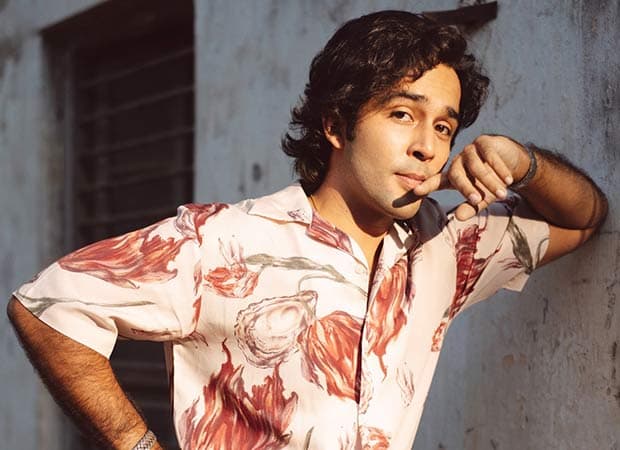
Zahan Kapoor reveals an unconventional role in his upcoming film, signaling a significant shift from his breakout success in Black Warrant. What’s next for this rising star?
Bollywood Hungama
Discover how Vishal Jethwa is transforming his physique for Shakti Shalini, emphasizing the mental discipline behind peak fitness.
Bollywood Hungama
Discover the dark truths of urban development in Kammatipaadam, a film that reveals the often-overlooked sacrifices behind city growth.
Indian Express