
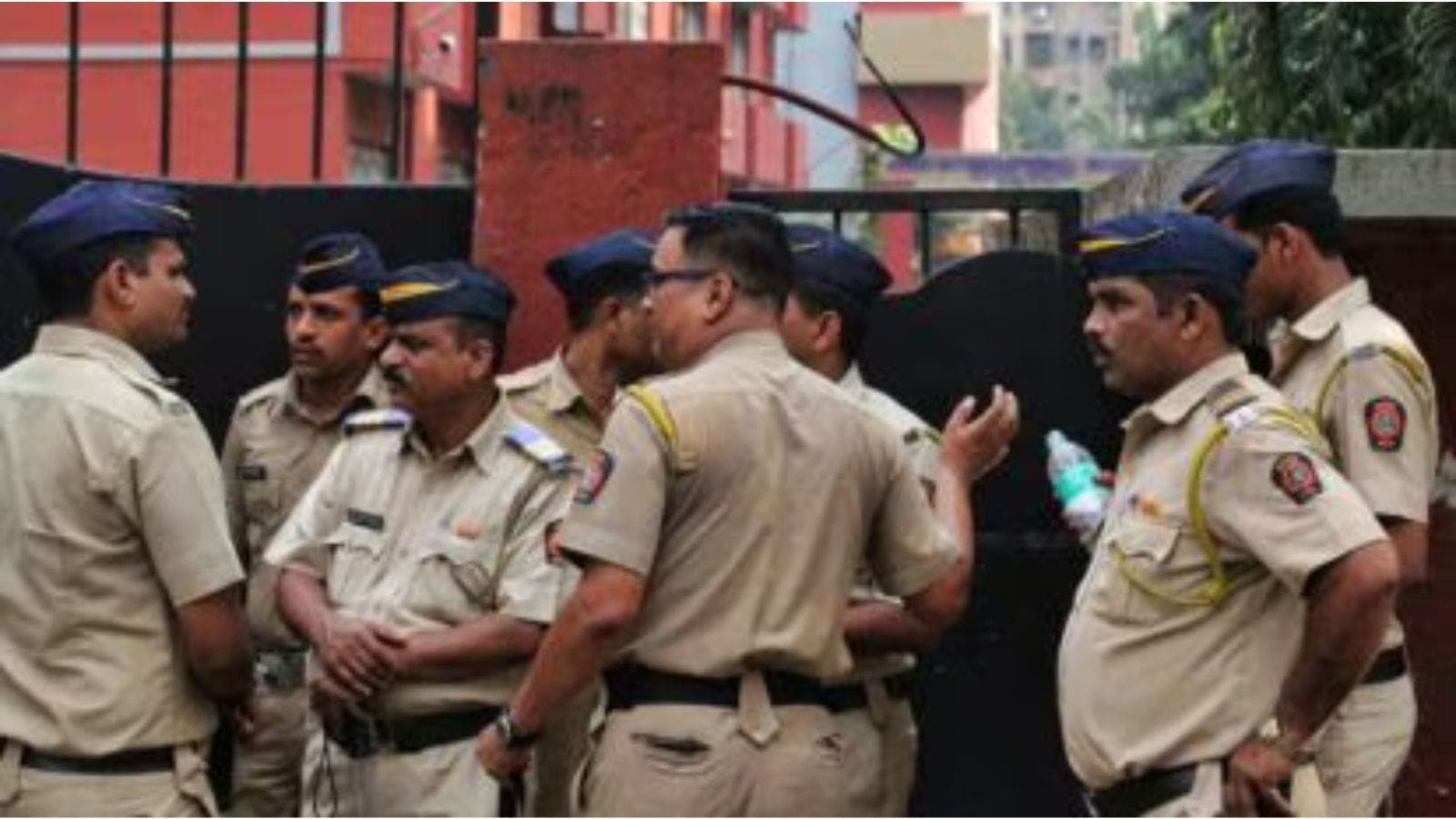
Image: Indian Express
Seven arrested in Hyderabad for plotting lawyer Khaja Moizuddin's murder over long-standing disputes, raising serious ethical concerns in education.
GlipzoIn a shocking turn of events, authorities have apprehended seven individuals, including prominent educators Mujahid Alam Khan and his father Mahaboob Alam Khan, for their alleged involvement in a meticulously planned murder plot. The target: Khaja Moizuddin, a respected lawyer based in Hyderabad. The incident unfolded tragically on Saturday morning, when Moizuddin was fatally struck by a speeding SUV outside his residence in the Masab Tank area of Hyderabad.
The 63-year-old legal practitioner was quickly transported to a nearby hospital but succumbed to his injuries shortly thereafter. The police have stated that the motive behind this heinous act stems from longstanding disputes over Waqf properties that have embroiled both families in a protracted legal battle, involving numerous cases across civil, criminal, and Waqf Tribunal courts.
Hyderabad Police Commissioner V C Sajjanar revealed that the animosity between the Khan family and Khaja Moizuddin had been brewing for years. The deceased had been actively involved in various legal proceedings that posed significant challenges for the Khans, leading to a sense of grievance and a desire for retribution. According to Sajjanar, the accused believed that their relentless legal troubles were a direct result of Moizuddin's involvement in their cases, which had led to a series of setbacks and public humiliation.
In a press briefing, Sajjanar stated, “The accused persons believed that due to the active involvement of the deceased in various legal proceedings against them, they were suffering continuous legal setbacks and humiliation.” This belief ultimately culminated in the alleged contract killing, reportedly arranged for Rs 15 lakh.
The investigation into the murder plot revealed a complex web of conspirators. Mujahid Alam Khan and Mahaboob Alam Khan were said to have collaborated with associates Hassan Ali (alias Chaous) and Muneer. Together, they allegedly coordinated with Kishan (alias Pappu) to execute their diabolical plan. Muneer and Chaous reportedly provided Kishan with the necessary funds to orchestrate the murder.
Following the murder, the conspirators attempted to erase evidence by removing identifying marks from the vehicle and fleeing the scene. The investigation was prompted by a complaint filed by Moizuddin’s son, Farhan, who witnessed the tragic event as his father was heading towards his vehicle when the SUV struck him.
Police Commissioner Sajjanar confirmed that Kishan was eventually tracked down in Panipat, Haryana. His subsequent confession, along with other corroborating evidence, led to the arrest of the remaining suspects involved in this shocking case.
This incident serves as a stark reminder of the repercussions of unresolved legal disputes and the lengths to which individuals might go when consumed by animosity. The involvement of educators in such a serious crime raises significant questions about ethics and accountability within academic institutions.
As investigations continue, the legal system will be under scrutiny regarding how disputes are managed and resolved, particularly in cases involving influential individuals. The community is left grappling with the implications of this murder plot, and as the legal proceedings unfold, stakeholders will be keenly watching how justice is served in this high-profile case.
Moving forward, it is crucial to advocate for conflict resolution mechanisms that can address disputes before they escalate into violence. The tragic death of Khaja Moizuddin serves as a sobering reminder of the need for peace and resolution in the face of adversity.
In conclusion, as the legal ramifications of this case develop, the public and legal communities alike will be watching closely, hoping for justice while reflecting on the broader societal issues that this incident has brought to light.

Tensions soar as the US and Iran engage in air strikes near the Strait of Hormuz, raising concerns over global oil supply and regional stability.
BBC World
Trump's international interventions face serious stalemates. What will this mean for U.S. foreign policy? Explore the critical challenges ahead.
Indian Express
Tehran denies resignation of President Masoud Pezeshkian amid claims of IRGC influence. What does this mean for Iran's political stability? Click to learn more!
Indian Express