
Image: BBC World
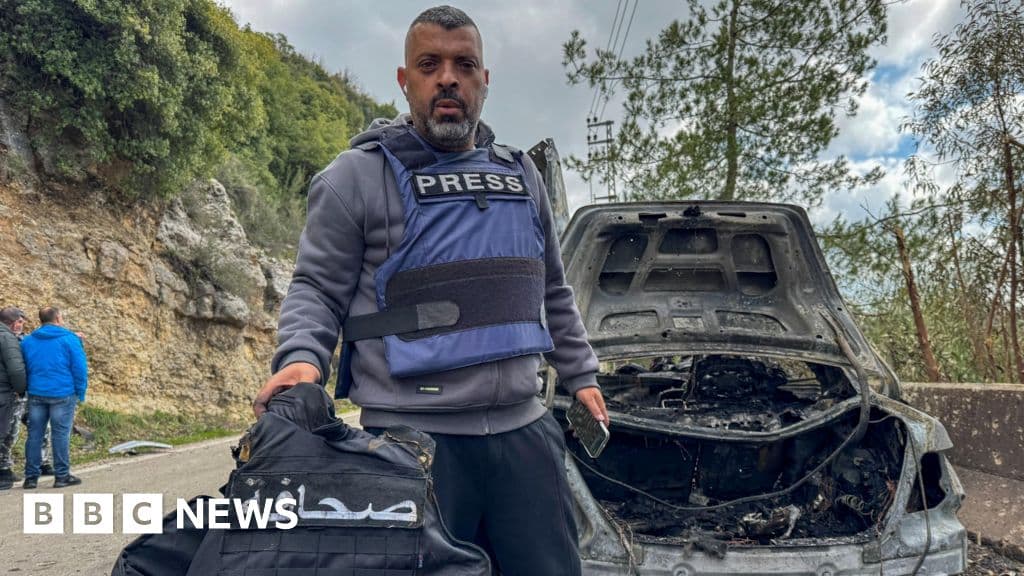
Three Lebanese journalists were killed in an Israeli strike in Jezzine, raising alarms over press safety and escalating tensions in the region.
GlipzoIn a harrowing incident that has drawn international condemnation, three Lebanese journalists were killed on Saturday in a targeted Israeli airstrike in southern Lebanon. This tragic event occurred in the town of Jezzine just before noon local time (10:00 GMT) and has raised serious concerns regarding the safety of media professionals in conflict zones.
The deceased include Ali Shoeib, a reporter affiliated with Al Manar TV, and Fatima Ftouni along with her brother Mohamed Ftouni, both of whom worked for Al Mayadeen. Their employers confirmed the fatalities, highlighting the peril faced by journalists in the region amidst ongoing hostilities.
The Israel Defense Forces (IDF) have acknowledged the killing of Ali Shoeib, labeling him a “terrorist” associated with Hezbollah's elite Radwan Force. The IDF accused Shoeib of operating under the guise of a journalist for years, claiming he was involved in actions that aimed to expose IDF positions in southern Lebanon, thus justifying the airstrike as part of their military operations.
However, the IDF failed to provide concrete evidence to substantiate these allegations against Shoeib. Notably, there was no comment regarding the deaths of Fatima and Mohamed Ftouni, which has led to further speculation and outrage.
In response to the strike, Hezbollah condemned the incident, describing it as a “deliberate criminal targeting of journalists.” The group characterized Israel's claims as a desperate attempt to evade accountability for what they termed an egregious violation of international norms.
Lebanese President Joseph Aoun called the attack a “brazen crime,” emphasizing that it violates fundamental international laws that protect civilians, particularly journalists who are simply doing their jobs. Similarly, Lebanese Prime Minister Nawaf Salam expressed his outrage on social media platform X, labeling the strike a “flagrant violation of international humanitarian law.”
This incident marks the second time in recent weeks that Israel has been accused of targeting journalists in Lebanon since the onset of the US-Israel war against Iran. Previously, on March 18, Al Manar reported the deaths of presenter Mohammad Sherri and his wife, who were killed during an Israeli strike in Beirut while they slept.
Organizations dedicated to press freedom, such as the Committee to Protect Journalists (CPJ), have expressed alarm over the rising dangers faced by journalists in Lebanon, stating that the region is becoming increasingly perilous for media workers. Sara Qudah, the CPJ's regional director, criticized Israel's pattern of labeling journalists as combatants without credible evidence, asserting that “journalists are not legitimate targets.”
The ongoing conflict has resulted in significant civilian casualties, with over 1,100 civilians reportedly killed, including 120 children and 42 paramedics, according to the Lebanese Ministry of Health. Furthermore, the humanitarian situation in Lebanon has worsened, with more than one million people displaced amid the escalating violence.
Concerns are mounting that Israel may be employing tactics similar to those it has been accused of using in Gaza, particularly the deliberate targeting of civilians and journalists. Israel, however, has consistently denied such allegations, maintaining that their military operations are focused on neutralizing threats posed by Hezbollah.
Following a ceasefire agreement in November 2024, there had been some progress in de-escalating tensions between Israel and Hezbollah. However, the situation remains fraught with complexity. While both sides had committed to withdrawing from certain positions in southern Lebanon, Israel has maintained several military posts and has continued its airstrikes, citing the need to protect its northern communities from Hezbollah attacks.
The recent escalations can be traced back to the killing of Iran's supreme leader at the start of the current conflict, which prompted Hezbollah to retaliate by firing rockets into northern Israel. This cycle of violence has resulted in further Israeli military operations aimed at securing its borders and mitigating threats from Hezbollah militants.
As tensions escalate and the humanitarian crisis deepens, the international community must closely monitor the situation in Lebanon. The deaths of these journalists highlight the critical need for protecting media personnel in conflict zones and ensuring accountability for violations of international law. The ongoing conflict and its implications for regional stability will be pivotal in shaping the future of Lebanon and its people. As both sides remain entrenched in their positions, the potential for further violence looms large, raising urgent questions about the fate of civilians caught in the crossfire.
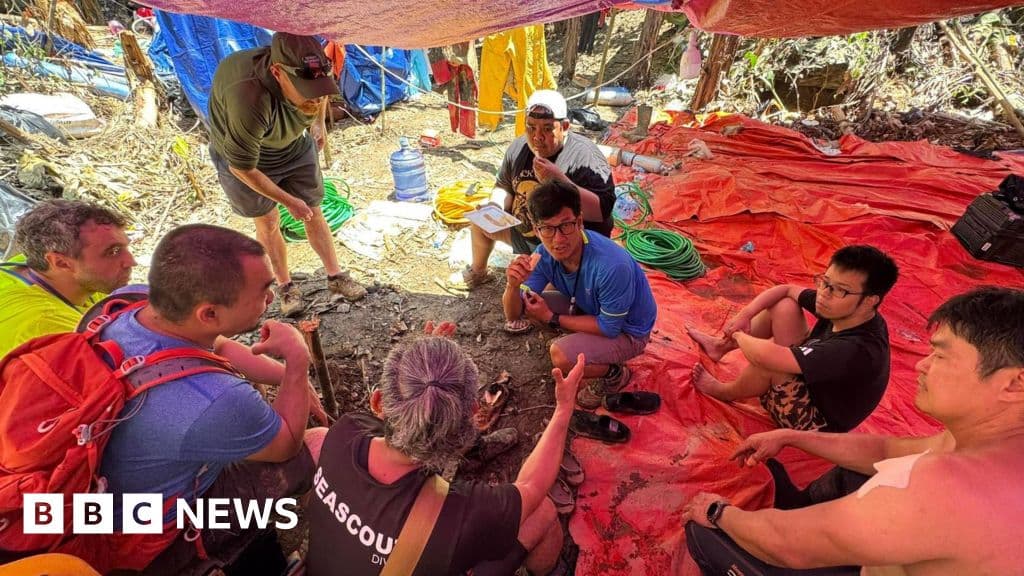
Survivors of the Laos cave rescue are aiding efforts to find the last two missing men trapped inside, sharing crucial insights for the search operation.
BBC World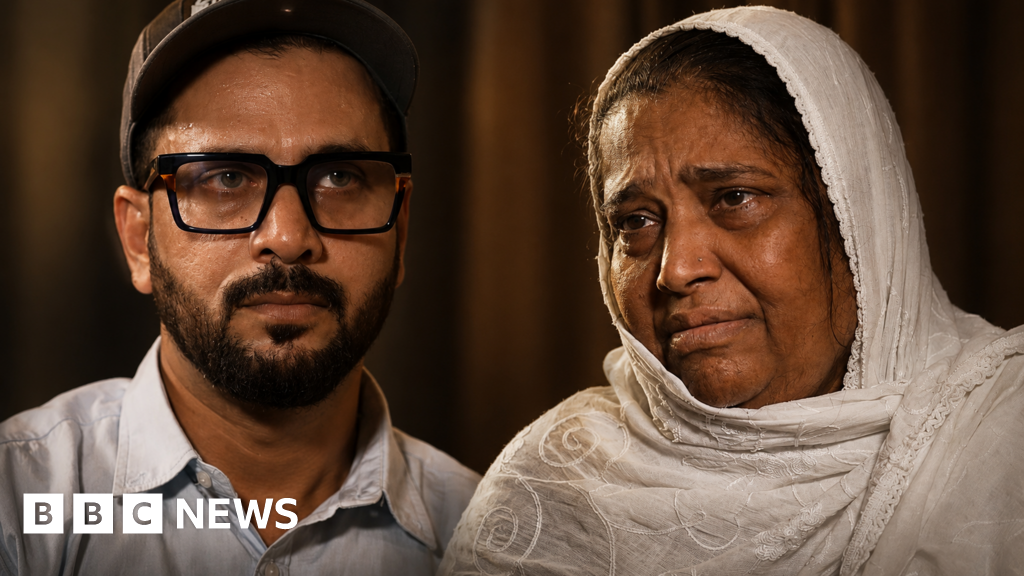
A year after the tragic Air India crash, the Ali family reflects on grief, unanswered questions, and the enduring bonds of love in the face of loss.
BBC Business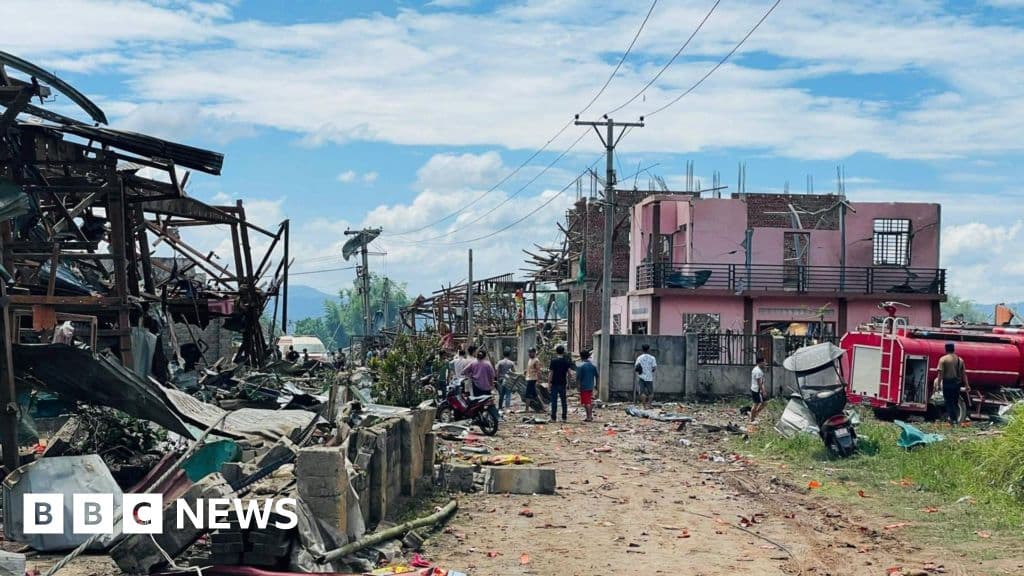
A devastating explosion in Myanmar's Kaung Tat village has killed at least 55 people, raising serious safety concerns and questions about civilian protection in conflict zones.
BBC World