
Image: BBC World
Viktor Orbán resigns from parliament after a landslide defeat, signaling a new political era in Hungary. What changes lie ahead for the nation?
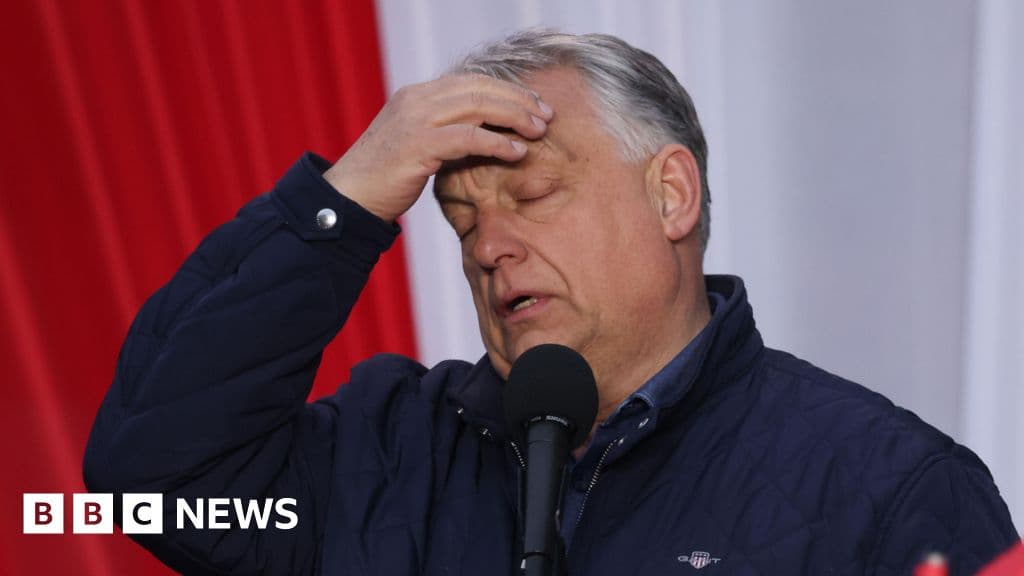
GlipzoHungary is witnessing a historic political shift as Viktor Orbán, the long-serving Prime Minister, announced he will not take up his parliamentary seat following a landslide defeat in the recent elections. This marks the end of his 16-year reign, leaving many to wonder what lies ahead for the nation.
In a video statement released on Saturday, Orbán declared, "I am now needed not in parliament, but in the reorganisation of the patriotic movement." This announcement comes on the heels of the April 12 elections, where his party, Fidesz, plummeted from 135 seats to just 52 in the 199-seat parliament. Despite being re-elected as an MP through the party's proportional representation list, Orbán's decision signifies a profound shift in Hungary's political landscape.
The opposition party, Tisza, led by former Fidesz insider Péter Magyar, achieved a remarkable victory, securing more than a two-thirds majority. This win sets the stage for significant changes in Hungary's domestic policies and its international relationships, especially within the European Union.
Orbán, who has been a fixture in Hungarian politics since 1990, has seen his power wane amid growing public discontent over issues such as corruption and declining living standards. Many voters turned their backs on him, reflecting a broader dissatisfaction with the Fidesz administration and its policies.
The incoming Prime Minister, Magyar, has made bold promises to reverse key reforms instituted during Orbán's tenure. His agenda includes: - Reversing changes to education and health. - Tackling rampant corruption. - Restoring the independence of the judiciary. - Dismantling the controversial NER system, which has been criticized for enriching party loyalists and misusing state resources.
While Orbán maintained close ties with notable figures like Donald Trump and Vladimir Putin, the Tisza campaign resonated with a different sentiment. Chants of "Russians go home" echoed among supporters, signaling a desire for a fresh direction in Hungary’s foreign policy. Magyar has committed to fostering improved relations with both Brussels and Kyiv, suggesting a potential pivot from Orbán's often confrontational stance towards the EU.
The new parliament's first session is scheduled for May 9, and Magyar is eager for a swift transition of power. During this period, the country will be watching closely as new policies and approaches are unveiled.
As for Orbán's future within Fidesz, he revealed that a party conference in June will determine his status as the party leader. Despite stepping away from parliament, he intends to remain influential in shaping the nationalist movement in Hungary. His experience and political acumen will likely play a crucial role as the party navigates this new political landscape.
The political upheaval in Hungary is significant not only for its citizens but also for the broader European context. Orbán's departure from power could lead to a more cooperative Hungary within the EU and potentially reshape regional dynamics. Political analysts and citizens alike will be observing how the new administration approaches pressing issues such as economic recovery, social justice, and international alliances.
In summary, Hungary stands at a critical juncture. With the departure of Orbán, a long-standing political figure, the nation is poised for change. The next few months will be pivotal as Tisza implements its agenda and the effects of this transition resonate across Europe.

Tensions soar as the US and Iran engage in air strikes near the Strait of Hormuz, raising concerns over global oil supply and regional stability.
BBC World
Trump's international interventions face serious stalemates. What will this mean for U.S. foreign policy? Explore the critical challenges ahead.
Indian Express
Tehran denies resignation of President Masoud Pezeshkian amid claims of IRGC influence. What does this mean for Iran's political stability? Click to learn more!
Indian Express