
Image: The Hindu
Florida executes Michael Lee King for the 2008 murder of Denise Amber Lee, who called 911 while tied up in his car. Explore the case's chilling details.
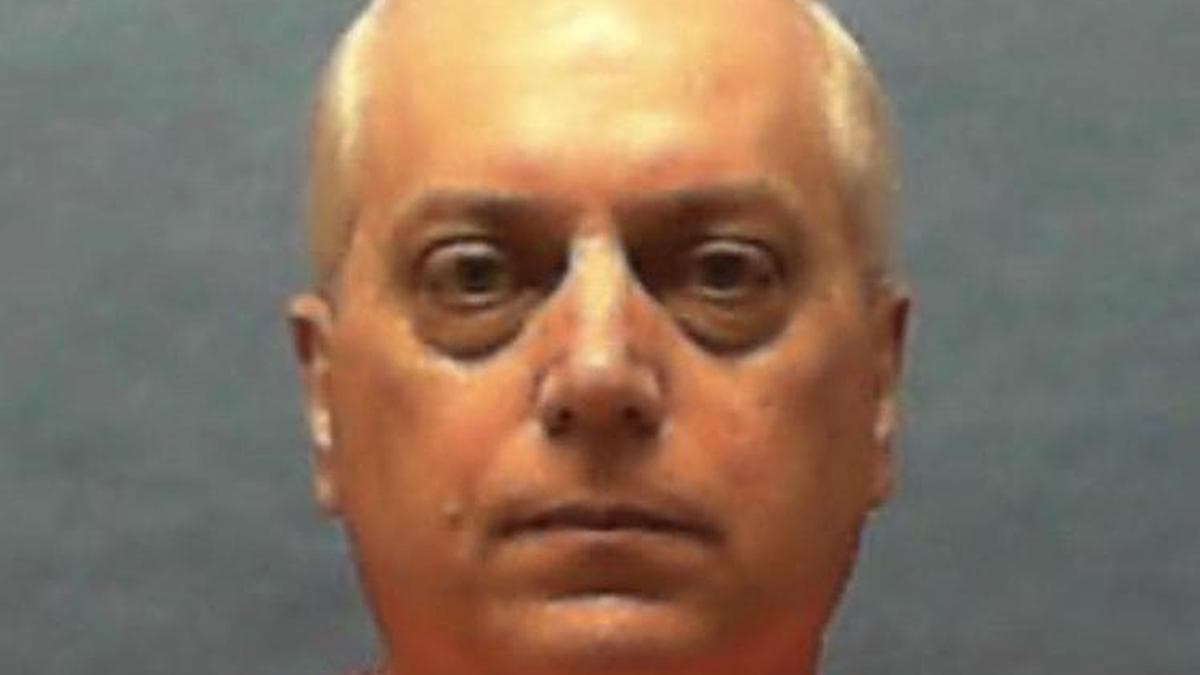
GlipzoOn March 17, 2026, the state of Florida executed Michael Lee King, a man convicted of the heinous rape and murder of Denise Amber Lee, a young mother. This tragic case has drawn national attention, particularly due to the chilling circumstances surrounding Lee's abduction and her desperate attempt to seek help before her life was taken. King, 54, received a lethal injection at Florida State Prison in Starke, where he was pronounced dead at 6:13 p.m.
The events leading to this execution date back to January 2008, when Denise Amber Lee, just 21 years old, was kidnapped from her home in North Port, Florida. While she was outside with her two young sons—one a toddler and the other an infant—King drove by and later abducted her, leaving the children unattended in the house. This case not only highlights a tragic crime but also underscores significant flaws in emergency response systems that could have potentially saved Denise's life.
Investigators revealed that after abducting Lee, King took her to his residence, where he bound and assaulted her. In a desperate bid to escape, Denise managed to seize King's cellphone while still restrained and called 911. During the harrowing call, she pleaded for her life, expressing her desire to reunite with her husband and children. The recording of this call serves as a haunting reminder of the urgency and desperation she felt in her final moments.
Later that same day, King drove Denise to a remote area where he shot her in the face, subsequently burying her body. Law enforcement's swift actions led to King’s arrest shortly after the crime. A state trooper pulled him over due to his vehicle—a 1994 green Chevrolet Camaro—matching the description from a previous 911 call. A witness had reported hearing screams coming from the car, prompting concern about a possible child abduction.
Following the investigation, authorities uncovered Lee's hair and personal belongings from King’s home and vehicle, solidifying the case against him. The aftermath of this brutal crime prompted significant legal changes in Florida. In memory of Denise, the Florida Legislature unanimously passed the Denise Amber Lee Act. This law aims to improve training for 911 operators to ensure that calls for help are handled more effectively.
The Denise Amber Lee Foundation, established by her husband Nathan Lee, continues to advocate for better emergency response protocols and raise awareness about domestic violence and the importance of timely assistance in life-threatening situations. The foundation revealed that on the day of Denise’s abduction, not only did she call for help, but at least four other 911 calls were made, including one from her husband. Unfortunately, due to communication breakdowns, no help was dispatched in time.
In the lead-up to his execution, King’s legal team filed multiple appeals, arguing that there had been mismanagement regarding the state’s death penalty protocols and that King had been denied due process by not having access to specific records. However, these appeals were denied by both the Florida Supreme Court and, subsequently, by the U.S. Supreme Court, which rejected King’s final appeals without providing additional commentary.
This execution marks the fourth in Florida for the year and the seventh in the United States in 2026, following a trend of increased executions nationwide. Florida has been particularly active in carrying out death penalties, with two more scheduled executions in the coming weeks. James Aren Duckett, a former police officer convicted of the murder of an 11-year-old girl, is set to be executed on March 31, and Chadwick Scott Willacy will face execution on April 21 for the murder of a neighbor.
As the nation continues to grapple with the ethics and practicality of capital punishment, cases like that of Michael Lee King and Denise Amber Lee force society to confront the consequences of violent crimes and the effectiveness of judicial processes. With 47 executions carried out in the U.S. in 2025—a record 19 in Florida alone—the conversation surrounding the death penalty remains heated and divisive.
The protocol for executions in Florida involves a combination of a sedative, a paralytic, and a drug that induces cardiac arrest, a method that has been met with scrutiny and calls for reform. As more executions are planned in the coming months, the state’s approach to justice for heinous crimes will likely remain in the public eye, sparking discussions about the moral and legal implications of the death penalty.
While Denise Amber Lee’s tragic story has led to positive changes in emergency response training, the ongoing battle over capital punishment reveals the complexities of justice in America. Moving forward, observers will want to watch how Florida navigates these issues, especially with more executions on the horizon and continued advocacy for reform in the justice system.

Delhi Police arrest two men and two minors in the shocking murder of a security guard, initially disguised as an accident, amid community outrage.
Indian Express
Five jailed for 84 years in a major UK drug trafficking operation, with £8M worth of drugs seized. Discover the details of this significant case.
Indian Express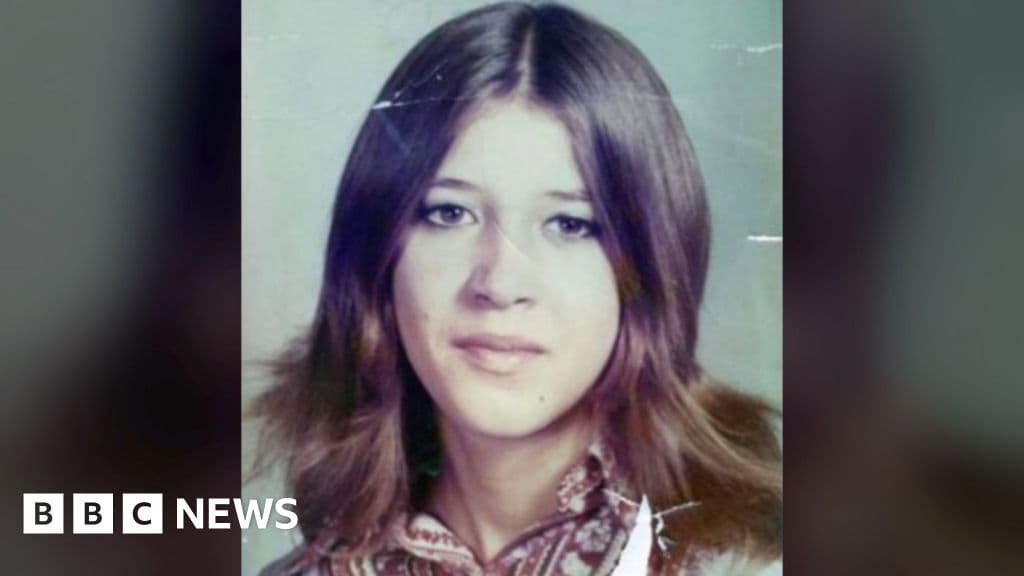
A shocking breakthrough identifies Utah teen Laura Ann Aime as a victim of Ted Bundy, closing a 51-year-old cold case through advanced DNA technology.
BBC World