
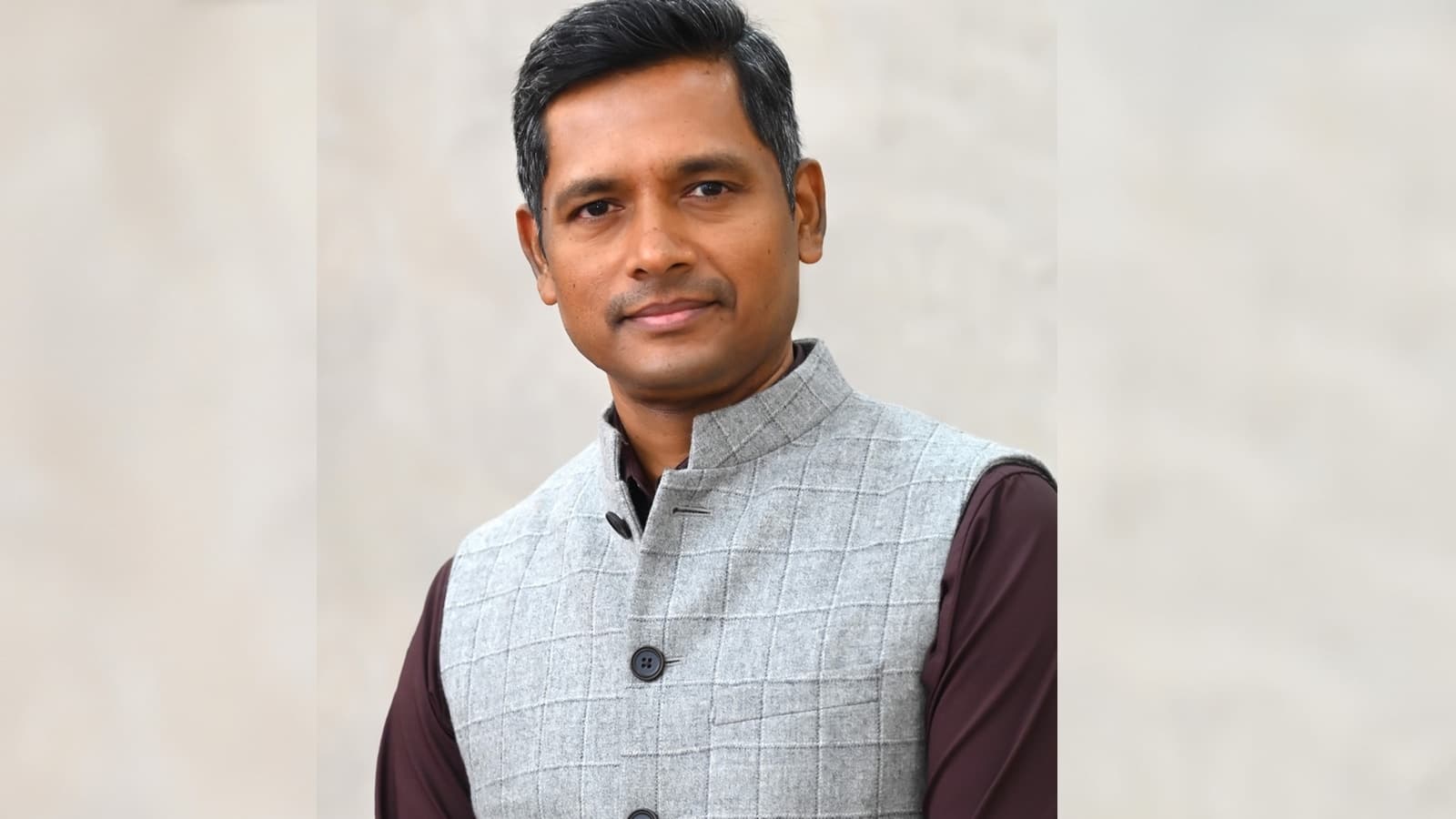
Image: Indian Express
The appointment of Kerala's Chief Electoral Officer raises serious questions about the integrity of elections. What does it mean for democracy in India?
GlipzoThe recent appointment of Dr. Rathan U Kelkar, the Chief Electoral Officer (CEO) of Kerala, as secretary to Chief Minister V D Satheesan has ignited a fierce debate over the integrity of the election process in the state. Critics, particularly from the Communist Party of India (Marxist) (CPI(M)), are questioning the implications of this move, following Rahul Gandhi's pointed remarks about election irregularities. On his social media platform X, Gandhi accused the Bharatiya Janata Party (BJP) and the Election Commission of India (ECI) of corruption, dubbing it a “chor bazaar” where rewards follow misdeeds.
This controversy emerges just days after Manoj Agarwal, the CEO of West Bengal, was appointed as the state's chief secretary. Gandhi used this instance to highlight what he sees as a pattern of favoritism within the electoral system. In light of Kelkar’s new role, the CPI(M) and BJP in Kerala are now pressing for clarity from Gandhi on whether he deems this appointment as another instance of political favoritism.
The reaction from senior BJP leader K Surendran was swift. He highlighted the hypocrisy in Gandhi's criticisms, questioning why the Congress leader remains silent on the appointment of Kelkar. Surendran's post read, “When the BJP appoints Agarwal, Rahul screams: ‘The bigger the theft, the bigger the reward.’ But now, with Kelkar's appointment, what will he say? Is it still a reward for theft or a beauty of democracy?” This highlights the political chess game at play, as both parties maneuver to sway public opinion in their favor.
Former CPI(M) Minister P Rajeev also expressed his concerns, emphasizing that the role of a CEO should come with a cooling-off period to maintain the credibility of the electoral process. Rajeev remarked, “When the CEO suddenly becomes the secretary to the chief minister, it is a matter of grave concern.” This sentiment resonates with many who fear that such appointments can undermine public trust in elections.
The CPI(M) state secretariat released a statement condemning Kelkar's swift transition to a political role, suggesting it undermines the integrity of the electoral process. They stated that never before has such an appointment occurred so soon after an election, indicating possible favoritism for political allies. This aligns with the Left Democratic Front’s (LDF) long-standing allegations that the Election Commission has acted in a biased manner favoring the United Democratic Front (UDF) during the recent elections.
Adding to the controversy, the CPI(M) has previously criticized the Election Commission for removing eligible voters from the rolls while retaining ineligible names, an action they argue further taints the electoral process. The situation becomes even more complex when considering the backdrop of the BJP-led Union government's attempts to challenge the neutrality of the Election Commission, casting a wider shadow over electoral integrity across the nation.
In defense of the appointment, Ramesh Chennithala, a senior Congress leader and Home Minister, asserted that appointing Kelkar was well within the state government’s rights. He described Kelkar as a competent officer and insisted that the government had the authority to recall him without any unusual implications. This defense reflects a common political tactic where government officials are defended against the backdrop of bureaucratic autonomy and expertise.
The ongoing debate over election integrity in Kerala is not just about one appointment; it reflects broader concerns regarding the intersection of politics and bureaucracy in India. With allegations flying from both sides, it raises pressing questions: - What are the implications of such appointments for future elections? - Will this pattern of appointments affect voter trust in the electoral system? - How will this influence the upcoming elections in Kerala and beyond?
The appointments of electoral officials to political roles can shape perceptions of impartiality, which are crucial for a healthy democracy. The potential fallout from this situation could influence public sentiment leading up to the next elections.
As the political landscape continues to evolve, observers should keep a close eye on the responses from both the Congress and the CPI(M). Will Rahul Gandhi clarify his stance on this latest appointment? How will the public react to these developments, and what will the electoral commission's next moves be in light of growing scrutiny?
The appointment of Dr. Rathan U Kelkar signals a critical moment in Kerala's political discourse, and its implications could resonate far beyond state borders as the nation grapples with issues of electoral integrity and democratic accountability.

Tensions soar as the US and Iran engage in air strikes near the Strait of Hormuz, raising concerns over global oil supply and regional stability.
BBC World
Trump's international interventions face serious stalemates. What will this mean for U.S. foreign policy? Explore the critical challenges ahead.
Indian Express
Tehran denies resignation of President Masoud Pezeshkian amid claims of IRGC influence. What does this mean for Iran's political stability? Click to learn more!
Indian Express