
Image: Indian Express
Discover the shocking reasons behind M K Stalin's electoral defeat in Tamil Nadu and what it means for the future of the DMK and state politics.
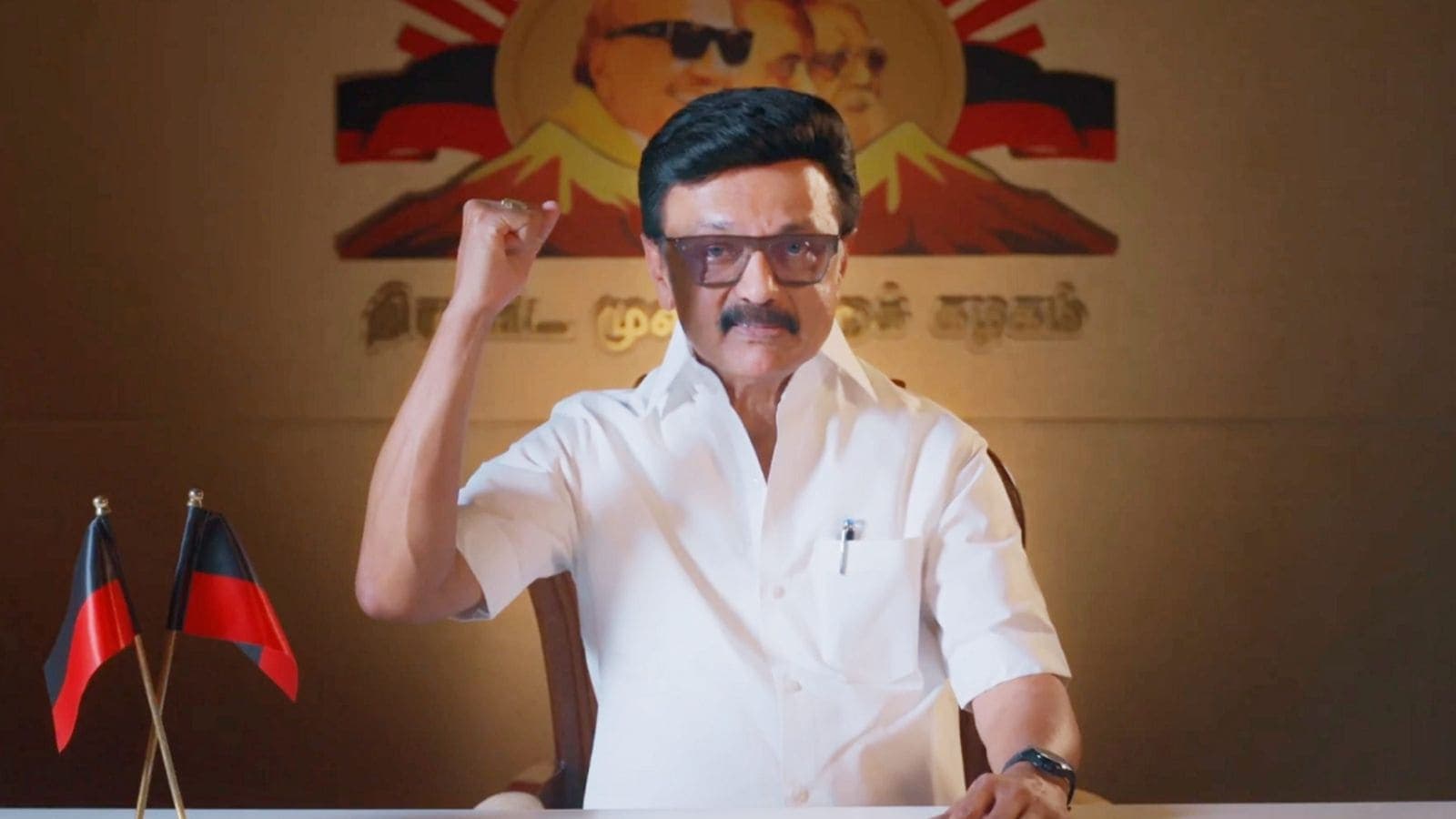
GlipzoIn a surprising turn of events, M K Stalin, the Chief Minister of Tamil Nadu and leader of the Dravida Munnetra Kazhagam (DMK), faced a significant electoral defeat in Kolathur during the recent assembly elections. This loss is not just a personal setback for Stalin, who has held the constituency since 2011, but also signals a broader discontent among voters. The defeat raises critical questions about the political landscape in Tamil Nadu and the factors that led to this unexpected result.
Stalin's journey to leadership was not a straightforward ascent. He inherited the DMK after years of dedication and patience, carefully navigating the complexities of party politics without overtly challenging his father, the late M Karunanidhi, a towering figure in Tamil Nadu’s political history. His rise was marked by a disciplined approach, making Monday’s election results a harsh reality for his supporters who anticipated a continuation of their governance.
The scale of Stalin's defeat is striking. He lost to TVK’s V S Babu by nearly 9,000 votes, marking one of the rare occasions where a sitting Chief Minister lost in their own constituency. Alongside Stalin, several key ministers, including Durai Murugan, P Geetha Jeevan, and Ma Subramanian, also faced losses, suggesting that dissatisfaction with the DMK’s governance may be widespread.
In his response to the election results, Stalin expressed humility and respect for the voters’ decision, saying, "We bow to and accept the verdict of the people. Congratulations to the victors!" His statement emphasized the achievements of his administration over the past five years, highlighting various developmental projects and welfare schemes. Despite the setbacks, he maintained that the DMK would continue its political journey, now transitioning into an opposition role.
Stalin's government did face criticism, including accusations of administrative drift, police missteps, and a perceived inability to manage certain state functions effectively. However, these issues alone do not account for the overwhelming defeat. Many observers noted a pervasive sense of contempt for corruption that seemed to overshadow the DMK's accomplishments.
The defeat of a major political figure like Stalin indicates a shift in the political dynamics of Tamil Nadu. Historically, the state has seen strong party loyalty, but recent events suggest that voters are becoming more discerning, prioritizing transparency and accountability over party allegiance. The political climate has evolved, with voters increasingly demanding performance and integrity from their leaders.
Stalin’s government had positioned itself as a progressive force, focusing on welfare schemes and governance, yet it seems that the voter sentiment has shifted. The election results suggest an appetite for change, even if that comes at the expense of a long-standing party. The DMK’s transition from a ruling party to an opposition party may reshape its strategies moving forward, as it seeks to regain the trust of its constituents.
With the DMK facing a significant electoral setback, the party now stands at a critical juncture. Moving forward, it will need to reassess its approach to governance and communication with the public. Here are a few key considerations for the future:
In conclusion, the recent electoral defeat of M K Stalin and the DMK serves as a reminder of the volatile nature of politics in Tamil Nadu. It underscores the importance of perception, accountability, and responsiveness to the electorate. As the DMK navigates its role as an opposition party, it will be essential to reflect on the lessons learned from this defeat and adapt accordingly to meet the evolving expectations of voters.
As the political landscape continues to shift, all eyes will be on the DMK to see how it responds to these challenges and whether it can reclaim its position in the hearts of the Tamil Nadu electorate.

Tensions soar as the US and Iran engage in air strikes near the Strait of Hormuz, raising concerns over global oil supply and regional stability.
BBC World
Trump's international interventions face serious stalemates. What will this mean for U.S. foreign policy? Explore the critical challenges ahead.
Indian Express
Tehran denies resignation of President Masoud Pezeshkian amid claims of IRGC influence. What does this mean for Iran's political stability? Click to learn more!
Indian Express