
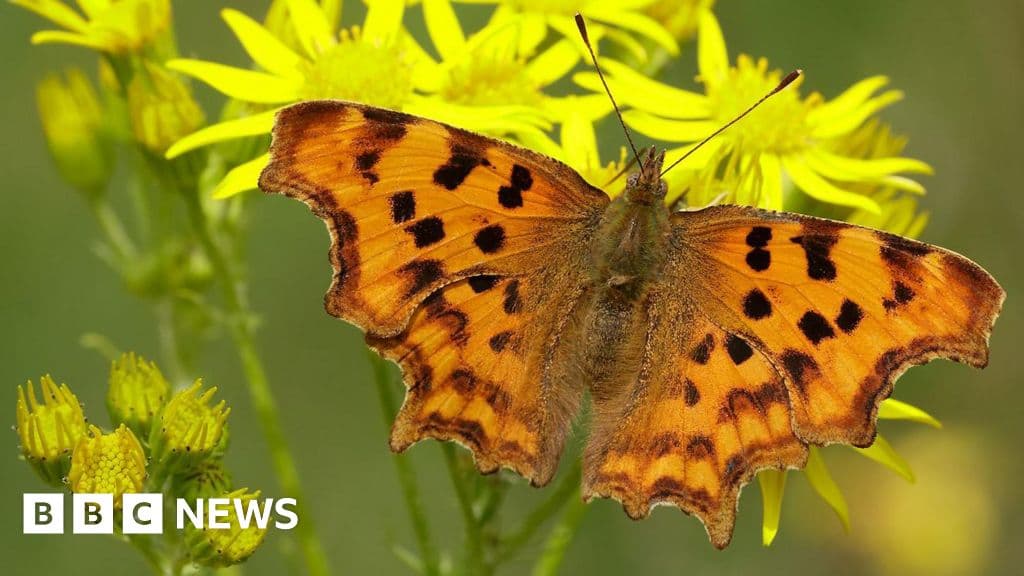
Image: BBC Science
Discover the shocking decline in UK's butterfly populations and learn about five species that are thriving despite the challenges.
GlipzoThe UKBMS, one of the world’s most extensive and longest-running citizen science initiatives, has amassed over 44 million records through the efforts of 782,000 volunteers since its inception in 1976. The stark findings show that 33 out of 59 native butterfly species monitored are experiencing a downturn, while only 25 species have shown signs of improvement. One species remains too under-studied to evaluate its status.
Key butterflies showing positive trends include: - Orange Tip: Up by more than 40% since 1976. - Black Hairstreak: One of the UK’s rarest butterflies, recovering thanks to targeted conservation efforts. - Large Blue: Once declared extinct in 1979, now thriving due to effective conservation strategies.
Prof. Jane Hill, a butterfly expert from the University of York, describes the data collected as “extraordinary,” noting that it sets a benchmark for wildlife surveys globally. She explains that butterflies, being cold-blooded, typically prosper in warmer climates. “Most British butterflies reach their northern range limits in the UK, presenting opportunities for expansion into northern England and Scotland,” she highlights.
Some alarming statistics from the survey reveal dramatic losses: - The White-letter Hairstreak has plummeted by 80% since monitoring began. - The Pearl-bordered Fritillary, known for its striking appearance, has seen a 70% decline, as its caterpillars rely solely on violets for nourishment. - Even adaptable species like the Small Tortoiseshell have declined by 87%.
“Just as we have lost family-run shops and traditional skills from the nation's high streets, we’ve lost variety and diversity in butterfly communities within our damaged landscapes,” stated Prof. Richard Fox, head of science at Butterfly Conservation.
“Without this evidence timeline, we would be flying blind,” said Steve Wilkinson, director of the Joint Nature Conservation Committee. “Understanding where conservation efforts yield tangible results and where we need to enhance our focus relies entirely on the quality of data provided by our volunteers.”
Most conservation strategies prioritize the protection and expansion of habitats essential for butterfly survival, especially in light of changing land-use patterns, including urbanization and agricultural practices.
Conservation efforts must continue to evolve, focusing on: - Restoring habitats that are crucial for butterfly survival. - Promoting public engagement in conservation activities. - Supporting research to better understand the needs of both adaptable and specialized species.
The ongoing shifts in butterfly populations serve as a stark reminder of the impacts of climate change and habitat loss. As some species flourish, others face extinction, underscoring the importance of targeted conservation strategies. What will happen next in this delicate ecosystem remains to be seen, but every volunteer effort counts towards shaping a more sustainable future for the butterflies of the UK.

Discover how the brain protein Menin could be the key to halting cognitive decline with new research that uncovers its vital role in aging.
Indian Express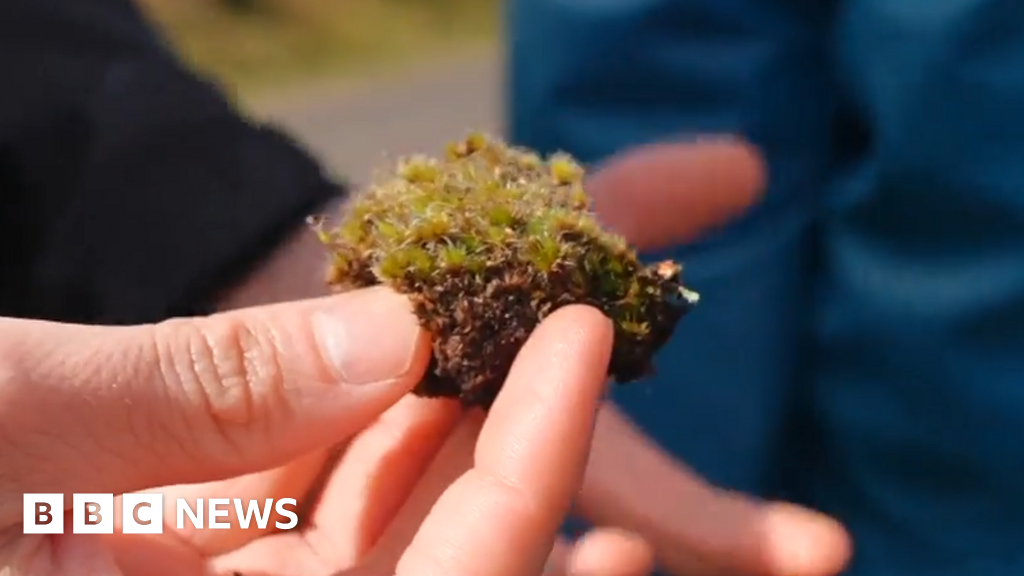
A new 'killer fungus' discovered in the UK targets invasive heath-star moss, offering hope for restoring native habitats. Will it turn the tide against invasives?
BBC Science
A Blue Origin rocket exploded during a test in Florida, prompting investigations. All personnel are safe. What does this mean for the future of space travel?
BBC Business