
Image: Mint (Business)
Iran's IRGC spokesperson Ali Mohammad Naini was killed in a US strike, escalating tensions in the Middle East. What does this mean for the ongoing conflict?
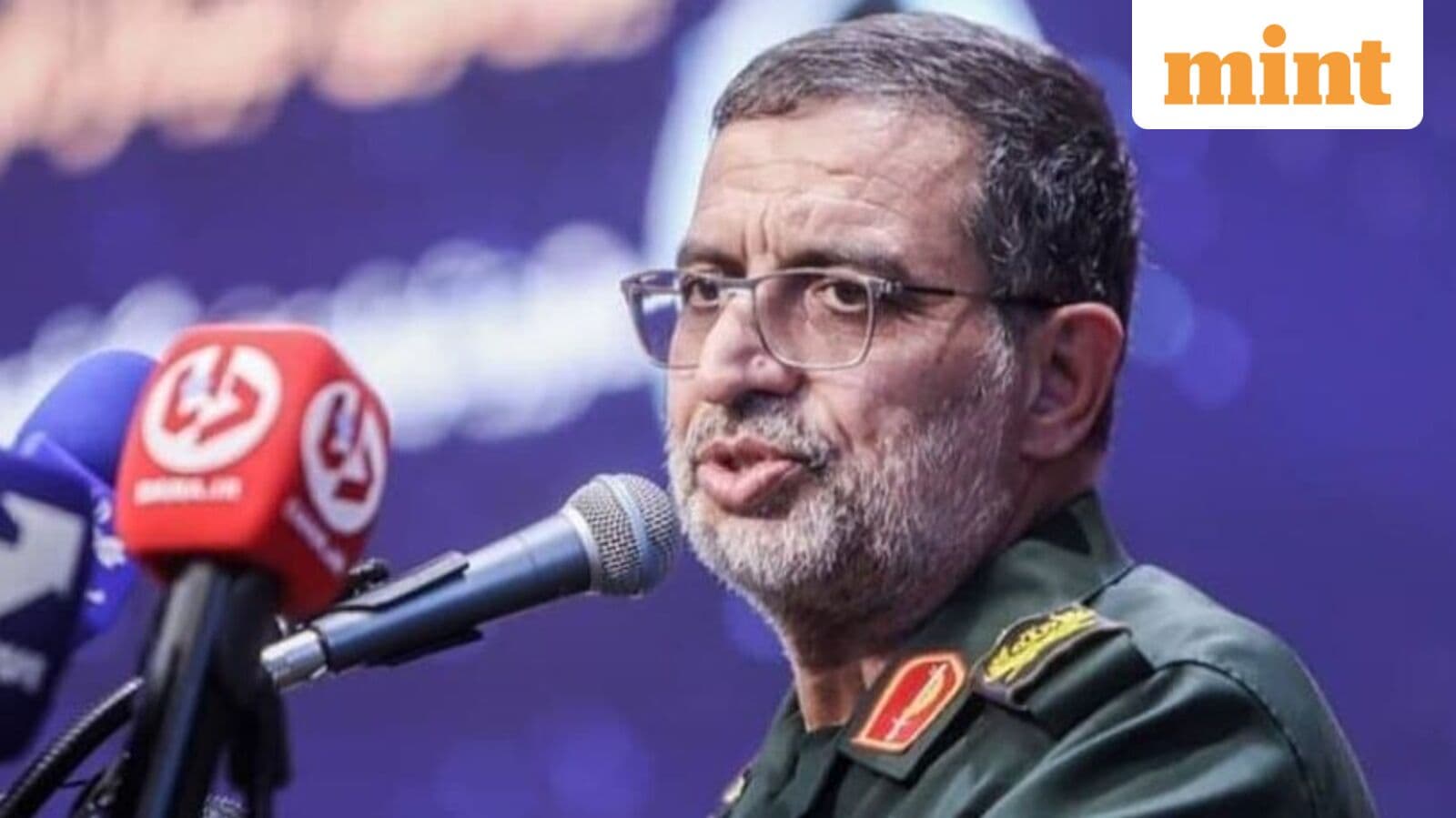
GlipzoIn a significant escalation of tensions in the Middle East, Ali Mohammad Naini, the spokesperson for Iran's Islamic Revolutionary Guard Corps (IRGC), was killed in a US-Israeli airstrike early Friday morning. This incident marks a pivotal moment in the ongoing conflict, highlighting the growing volatility in the region. General Naini, 69, had served as the IRGC's spokesperson since 2024, advocating for Iran's military strategies and public image during a tumultuous period.
General Naini had a long and distinguished military career, having spent over four decades in service to the Iranian military. He was appointed to his role by Major General Hossein Salami, the IRGC Commander-in-Chief, taking over from Brigadier General Ramazan Sharif. His expertise lay in psychological operations, soft power, and cognitive warfare, making him a key figure in Iran's efforts to navigate complex geopolitical challenges.
The IRGC announced Naini's death, labeling the operation a “cowardly terrorist attack” orchestrated by the United States and Israel. This stark characterization reflects the heightened emotions and rhetoric surrounding the ongoing conflict. Just one day before his death, Naini had made a bold statement on Iranian state television, openly challenging the presence of the US Navy in the Persian Gulf and asserting Iran's military capabilities.
Naini was not just a military figure; he was also deeply involved in the cultural and ideological aspects of the IRGC, having previously served as the cultural deputy and as Basij’s cultural and social deputy. His multifaceted role allowed him to shape public perception and communicate Iran’s military narratives effectively.
General Naini’s extensive background included notable participation in the Iran-Iraq War, where he gained invaluable experience that shaped his approach to military strategy and public relations. Throughout the recent conflict, which has now entered its third week, he emerged as one of Iran’s most vocal advocates, insisting that “the military option against Iran is a failure.” His remarks, particularly during the Operation Epic Fury, underscored Iran's resolve and military readiness in the face of external threats.
The killing of General Naini is a significant blow to Iran, which has already seen a series of high-profile casualties among its military leadership in recent weeks. Prominent figures, including Supreme Leader Ayatollah Ali Khamenei, have also been targeted in US-Israeli strikes, leading to a climate of fear and uncertainty within the Iranian military and political landscape.
The loss of such a key figure raises questions about the future of Iran's military strategy and its responses to external aggressions. As Iran continues to face pressure from the US and its allies, it remains resolute in its commitment to retaliate and defend its sovereignty.
As the conflict intensifies, Iran's leadership has vowed to continue its fight against perceived adversaries. Analysts are closely watching how the country will react to the death of General Naini and whether this will lead to an escalation in military operations or a shift in strategic approaches.
The ongoing tensions in the region present several potential scenarios: - Increased Military Engagement: Iran could ramp up its military operations in retaliation, targeting US and Israeli interests in the region. - Rhetorical Escalation: Iran may intensify its propaganda efforts, utilizing General Naini's death to galvanize national sentiment against the US and Israel. - Diplomatic Maneuvering: In an effort to stabilize the situation, Iran might seek new alliances or engage in backdoor diplomacy to negotiate terms favorable to its interests.
As these events unfold, observers will be keenly aware of the underlying currents shaping Iran's military and political strategies. The landscape of the Middle East remains precarious, and the death of a high-ranking official like Naini could have far-reaching consequences.
The assassination of Ali Mohammad Naini represents more than just the loss of a military leader; it symbolizes the escalating conflict between Iran and Western powers, particularly the United States and Israel. This incident underscores the fragility of peace in the region and highlights the continuous cycle of violence that defines contemporary Middle Eastern geopolitics. As Iran grapples with its leadership losses and the pressure from external forces, the world watches closely to see how this will reshape the future of the region.
In conclusion, the implications of Naini's death are profound, and the response from Iran will be critical in determining the next phase of this ongoing conflict. The international community remains on edge as the situation develops, with potential for both escalation and unexpected diplomatic resolutions.

Tensions soar as the US and Iran engage in air strikes near the Strait of Hormuz, raising concerns over global oil supply and regional stability.
BBC World
Trump's international interventions face serious stalemates. What will this mean for U.S. foreign policy? Explore the critical challenges ahead.
Indian Express
Tehran denies resignation of President Masoud Pezeshkian amid claims of IRGC influence. What does this mean for Iran's political stability? Click to learn more!
Indian Express